
Blog

Signature Lawn and Landscape LLC

Top Landscaping and Lawn Maintenance Services 2026

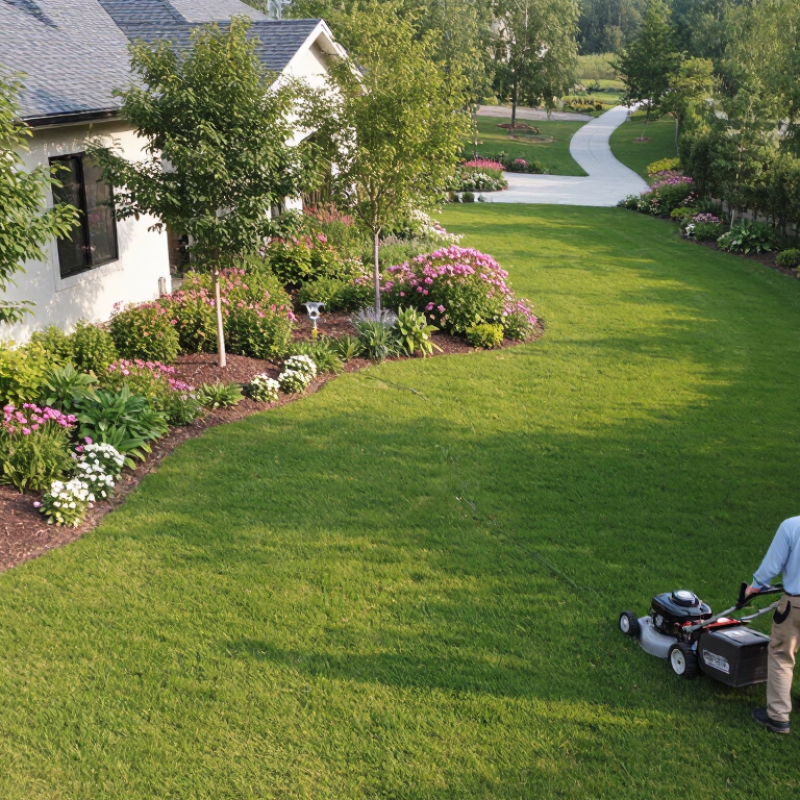
In 2026, the best Landscaping Lawn Maintenance plans do more than keep grass trimmed. They help a property look cared for while responding to its soil, climate, shade, and water needs. A healthy lawn may need mowing at the right height, sharp blades, and less frequent, deeper watering. Garden beds benefit from seasonal pruning, mulch kept clear of plant stems, and plants suited to local conditions. Small details matter.

Ecologist and author Doug Tallamy has said, “The most important thing we can do to preserve biodiversity is to plant native plants.” That perspective offers a useful reminder: a neat landscape can also support local life. Ask providers how they assess soil, choose plants, schedule maintenance, and adjust care during dry or unusually wet weather. Look for clear service descriptions and recommendations tied to the property, not a one-size-fits-all package. Good guidance should explain trade-offs, too.

This overview explores leading lawn and landscaping services for 2026, from routine mowing and edging to planting, irrigation checks, and seasonal cleanup. It also considers practical signs of quality, such as consistent work, careful equipment use, and communication when conditions change. Not every tidy yard is a thriving one. And no plan is perfect. The most reliable choice is a service that listens, documents its work, and is willing to revisit what is not working.
Top Landscaping and Lawn Maintenance Services 2026

Landscaping and Lawn Maintenance Services: Scope and Key Terms

Landscaping and lawn maintenance describe related, but different, kinds of property care. Landscaping usually covers changes to the outdoor space: planting shrubs, shaping garden beds, installing edging, or building paths. Some projects also include drainage adjustments or irrigation. The exact scope depends on the site and the written estimate. A “design” service may provide a plan only, while installation means the work is carried out.

Lawn maintenance is recurring care for turf. Typical tasks include mowing, trimming along fences, clearing clippings, and seasonal leaf removal. Aeration loosens compacted soil; overseeding adds grass seed to thin areas. Fertilizing and weed management may be offered, but they are not automatically included in every visit. Ask how often work is scheduled and whether materials, disposal, and follow-up visits are part of the quoted price.

Small details matter.

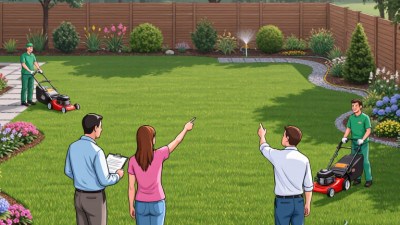
Some terms are less precise than they sound. “Cleanup” might mean removing leaves, not hauling away branches. “Lawn treatment” can refer to different services, so request the task, timing, and expected result in writing. A walk-through helps identify shaded patches, bare spots, low areas, and sprinklers that need care. Even a careful plan can miss something; revise the scope when site conditions differ from the initial assessment.

Definitions can vary.

Core Services for Residential and Commercial Properties

Top Landscaping and Lawn Maintenance Services 2026

Residential and commercial properties need different care, but both benefit from a clear maintenance plan. For homes, routine mowing, edging, and seasonal cleanup keep lawns neat without overwhelming the garden. Crews can also prune shrubs, refresh mulch, and check irrigation for uneven coverage. A dry strip near the driveway may point to a clogged sprinkler head, not poor soil.

Commercial grounds need dependable upkeep around entrances, parking areas, walkways, and signs. Regular mowing and litter removal help keep shared spaces tidy and accessible. Pruning should preserve sightlines, while planting choices should suit local conditions and the amount of sun each area receives. Timing matters, too; work near busy doors may need quieter hours.

Good service starts with an on-site assessment. A technician can note drainage, shade, foot traffic, and existing plant health before recommending work. Written schedules and visit records make it easier to track changes and address missed tasks. Weather still interferes. A careful plan may need adjusting after heavy rain, and that is not always convenient. Honest updates help property owners know what was completed and what needs attention next.

Leading Landscaping and Lawn Care Providers in 2026

Leading landscaping and lawn care providers in 2026 do more than keep grass short. They assess the site, explain their recommendations, and adjust care to local weather and soil. A useful consultation may include checking drainage, compacted areas, shade, and existing plants. Ask what each service includes, how often crews visit, and who handles changes after heavy rain. Clear answers matter.

Reliable providers should describe their methods without promising instant results. Lawn health can depend on mowing height, watering habits, soil condition, and seasonal timing. For example, a shaded strip beside a fence may need a different plan than a sunny front lawn. Look for written estimates, proof of insurance, and staff training relevant to the work. These details help homeowners compare services on more than price. Small details count.

Maintenance also depends on steady communication. A crew should tell you when weather delays a visit and flag problems such as pooling water or thinning turf. Ask how they protect flower beds, mark irrigation heads, and manage clippings. Not every estimate catches hidden issues; an underground leak may only become clear later. That deserves a second look. Homeowners can keep dated photos and note service visits, making it easier to discuss what is improving and what still needs attention. A thoughtful provider welcomes those questions, even when the answer is not immediate.

How to Compare Service Quality, Pricing, and Coverage

Top Landscaping and Lawn Maintenance Services 2026: Comparing Quality, Pricing, and Coverage

A useful comparison starts with the work included, not the headline price. Ask whether mowing includes edging, clippings removal, and trimming around trees or fences. For larger jobs, request a written scope, visit schedule, and clear rules for weather delays.

Details matter. Check recent local references and ask how crews handle missed patches or damaged plants. A polished estimate is not proof of consistent work.

Compare quotes against crew size, equipment, travel, and disposal fees. The U.S. Bureau of Labor Statistics reported median pay of $18.50 per hour for landscaping and groundskeeping workers in May 2024. That wage is not a customer price; it is one useful reminder that labor is a real cost.

A very low bid may omit tasks or assume fewer visits. One limitation: public wage data cannot show a provider’s full operating costs. I would question the cheapest quote, not automatically reject it.

Coverage also means checking whether the provider serves your address and can keep the promised schedule during peak growth. If irrigation care is included, ask how watering is adjusted for rain and plant needs.

The U.S. Environmental Protection Agency says outdoor water use averages about 30% of household water use, though it varies by location. That makes water-smart practices worth discussing. Not always. A broad service area can still mean longer waits, so confirm response times and who handles follow-up.

Choosing a Provider and Planning Seasonal Maintenance

Choosing a lawn-care provider starts with the work you actually need. Ask for a written scope covering mowing height, edging, pruning, irrigation checks, and debris removal. Request proof of insurance, local references, and a seasonal calendar tailored to your soil, shade, slope, and rainfall. A low quote can omit visits or cleanup. Small details matter. Confirm who adjusts the plan after heat, heavy rain, or pest damage.

The U.S. Environmental Protection Agency’s WaterSense guidance estimates that outdoor use averages about 30% of household water nationally, reaching 60% in drier areas. It also notes that as much as half of irrigation water may be lost to evaporation, wind, or runoff. That makes seasonal scheduling practical, not cosmetic. Water early, then adjust after rain; aerate compacted soil when conditions suit your grass and climate. In spring, inspect drainage and bare patches. In summer, raise mowing height during heat stress. In fall, clear leaves before they mat. A calendar can look tidy on paper and still miss one stubborn wet corner.

Tips: Keep a service log with dates, rainfall, mowing height, and repairs. Compare the provider’s notes with what you see at the gate. It may feel fussy, but it can reveal missed work early.

Top Landscaping and Lawn Maintenance Services 2026 - Choosing a Provider and Planning Seasonal Maintenance

Season or service Typical work Timing and frequency Typical U.S. planning range What to confirm when choosing a provider
Early spring Inspect turf and planting beds, remove winter debris, edge beds, and check irrigation equipment. Once after the ground has thawed and is workable; schedule repairs before regular watering begins. Yard cleanup: about $150–$600 per visit. Irrigation inspection: about $75–$150. Ask whether debris hauling, bed cleanup, and irrigation repairs are included or billed separately.
Late spring Begin mowing as growth requires; apply lawn nutrients based on turf needs and local guidance; control weeds when appropriate. Mowing often every 7–14 days during active growth. Fertilizer timing depends on grass type and local conditions. Mowing: about $30–$80 per visit. Fertilizer treatment: about $50–$150 per application. Confirm mowing height, clipping handling, visit schedule, treatment ingredients, and any required local notices.
Summer Maintain mowing, monitor irrigation coverage, manage weeds, and trim shrubs without removing excessive growth. Mow according to growth, usually every 1–2 weeks; check irrigation monthly and adjust watering for rainfall and restrictions. Shrub pruning: about $200–$600 per visit, depending on quantity and access. Irrigation repairs are usually quoted separately. Ask how the crew handles heat stress, storm delays, irrigation leaks, and green-waste removal.
Early fall Aerate compacted soil and overseed suitable cool-season lawns; repair bare patches and refresh mulch as needed. Often scheduled several weeks before the first expected hard frost; timing varies by grass type and local climate. Core aeration: about $75–$200. Overseeding: about $150–$700, depending on lawn size and seed choice. Confirm lawn area, seed variety, seedbed preparation, watering instructions, and whether follow-up is included.
Late fall Remove or mulch leaves, clear beds, make final seasonal cuts if needed, and winterize irrigation systems in cold regions. Leaf service may be needed every 1–3 weeks during peak drop; winterization is completed before freezing weather. Leaf cleanup: about $150–$600 per visit. Irrigation winterization: commonly $75–$200. Check the number of included visits, leaf-disposal method, and whether winterization covers all zones and backflow equipment.
Routine lawn care Recurring mowing, trimming around obstacles, edging, and cleanup of paved surfaces. Weekly or biweekly during the growing season; frequency should reflect growth and the agreed service scope. About $30–$80 per visit for many residential properties; larger or complex lots may cost more. Request a written scope covering lawn area, gates, obstacles, weather rescheduling, payment terms, and cancellation notice.
Landscape installation or redesign Plan and install plants, beds, edging, mulch, drainage features, or other outdoor improvements. Plan during the off-season when possible; schedule installation for suitable soil and weather conditions. Small projects may cost several hundred dollars; larger designs and installations can reach several thousand dollars or more. Compare itemized proposals, plant sizes, materials, drainage plans, warranties, permits, and change-order terms.
Provider selection checklist Evaluate service scope, staff experience, communication, safety practices, and the proposed maintenance plan. Review before signing; reassess the scope and results at least once each season. Compare itemized written estimates for the same property area and scope rather than price alone. Verify applicable licensing, insurance, references, service boundaries, complaint process, and who is responsible for permits or utility checks.
Cost figures are broad U.S. residential planning estimates, not fixed quotes. Actual prices vary by region, property size, site access, service frequency, materials, and local requirements.