

Blog
Signature Lawn and Landscape LLC
How to Choose Landscaping and Lawn Maintenance Services?
Choosing a landscaping or lawn care provider is about more than finding the lowest estimate. The right team should understand your property, explain its recommendations, and provide a clear plan for ongoing work. Landscaping Lawn Maintenance may include mowing, edging, pruning, planting, seasonal cleanups, or irrigation checks. Ask which tasks are included, how often crews visit, and what might cost extra. Small details matter. A clear answer about clippings, gate access, or weather delays can prevent frustration later.
Look for relevant experience with properties like yours, not just polished photos. A sloped backyard, shaded lawn, or narrow planting bed each calls for different planning. Request a written estimate, check recent references, and ask who will supervise the work. Confirm that the company carries appropriate insurance and follows local requirements. A good provider should describe plant choices and maintenance needs in language you can understand, without promising instant results. Growth takes time. A beautiful portfolio still cannot show how a crew communicates after the first visit. Consider how quickly they respond to questions and whether they welcome reasonable feedback. No checklist catches everything. If a recommendation feels vague, pause and ask for specifics. This guide outlines practical ways to compare services, assess value, and choose a dependable partner for a landscape that suits your home and routine.
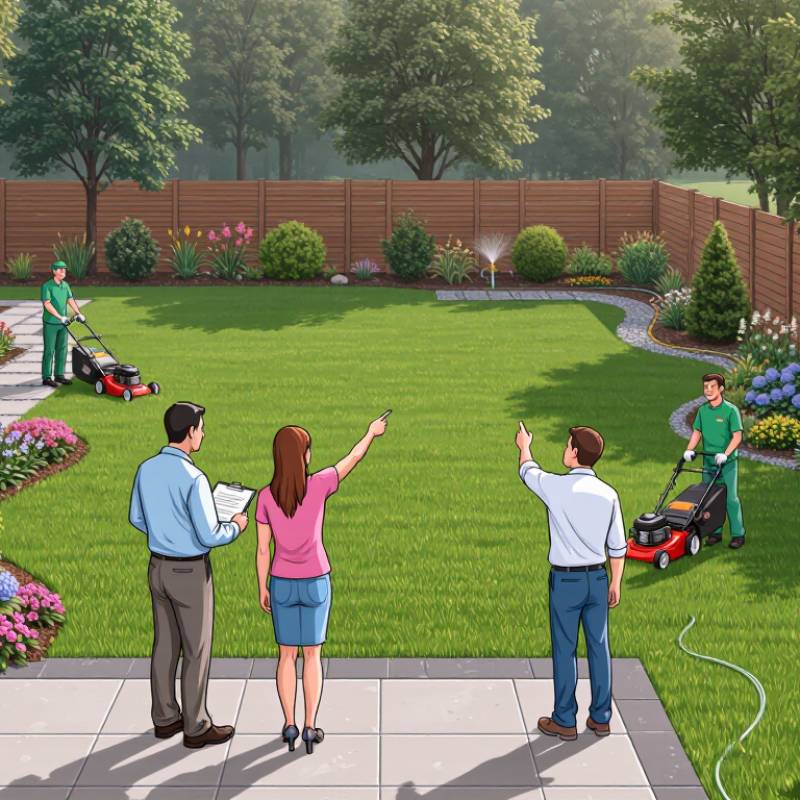
Define Your Landscaping and Lawn Care Needs
Choosing landscaping and lawn maintenance services starts with a clear diagnosis, not a quick price comparison. Walk the property after rain. Note standing water, thin grass, shaded corners, bare soil, and overgrown hedges. Measure the lawn and list the tasks you actually need: mowing, edging, pruning, aeration, irrigation checks, or seasonal cleanup. The U.S. Environmental Protection Agency reports that outdoor water use exceeds 30% of household use and can reach 60% in arid areas. Water demand deserves attention.
Separate urgent problems from appearance goals. Compacted soil may need aeration before fertilizer. Poor drainage may need grading advice before new planting. Ask each provider for a written scope, visit schedule, equipment plan, and treatment details. Request proof of insurance and relevant local credentials. The U.S. Bureau of Labor Statistics projects 4% employment growth for grounds maintenance workers from 2022 to 2032. That indicates steady demand, but service quality still varies. In practice, attractive proposals can hide vague service limits. Question them.
Tips: Take photos from several angles and record weekly mowing needs. Ask for soil testing before changing fertilizer. Confirm whether green-waste removal and irrigation repairs cost extra. Compare water-saving options, especially in dry climates. Leave room for revision; weather can disrupt careful schedules. A cheaper plan may fail. A detailed plan may still need adjustment.
How to Choose Landscaping and Lawn Maintenance Services? — Define Your Landscaping and Lawn Care Needs
| Need to Define | What to Assess | Services to Consider | Useful Planning Notes | Questions to Ask a Service Provider |
|---|---|---|---|---|
| Property size and layout | Approximate lawn area, garden beds, slopes, trees, paths, and areas that are difficult to access. | Lawn mowing, edging, bed maintenance, trimming, leaf removal, or a site assessment. | Share a property plan or photos where possible. Slopes, narrow gates, and obstacles can affect the work required. | Which areas are included in the estimate, and are access or terrain conditions likely to affect the price? |
| Current condition | Grass height and density, weeds, bare patches, overgrown shrubs, drainage issues, and accumulated debris. | Routine maintenance, one-time cleanup, weeding, pruning, lawn repair, or drainage evaluation. | Separate immediate cleanup from ongoing care so the initial workload and regular service plan are clear. | Is an initial cleanup needed before routine maintenance begins? What work does it include? |
| Desired appearance | Whether you prefer a neat, closely maintained lawn, a natural planting style, low-maintenance beds, or seasonal color. | Mowing and edging, planting, mulch application, pruning, garden-bed care, or landscape design. | Identify priorities and features to preserve, such as established plants, shade trees, or wildlife-friendly areas. | Can the proposed plan match the appearance and maintenance level I want? |
| Maintenance frequency | How quickly the lawn and plants grow, local growing conditions, seasonal changes, and your preferred level of upkeep. | Scheduled mowing, periodic trimming, seasonal cleanup, or a flexible maintenance plan. | Mowing frequency varies with grass growth, weather, and season. Agree on a schedule that can be adjusted when growth changes. | How often is each task normally performed, and how are weather-related changes handled? |
| Plant and lawn care | Grass type if known, plant health, shade and sun exposure, soil conditions, and signs of pests or disease. | Pruning, watering guidance, soil improvement, lawn renovation, or pest and disease assessment. | Care requirements depend on plant species, site conditions, and local climate. Ask for a diagnosis before agreeing to treatment. | What condition are you addressing, and what treatment or follow-up, if any, is recommended? |
| Watering and drainage | Existing irrigation, dry or waterlogged areas, runoff patterns, and access to an outdoor water supply. | Irrigation inspection, watering schedule advice, drainage assessment, or repairs where offered. | Water needs differ by plant, soil, weather, and season. Confirm whether irrigation work is included or handled separately. | Do you inspect irrigation systems, and are repairs or drainage work included in the service scope? |
| Seasonal tasks | Local seasonal changes and expected needs such as leaf fall, spring growth, or preparation for cold weather. | Leaf removal, seasonal pruning, bed preparation, mulch application, or winter preparation where appropriate. | Timing depends on local climate and plant requirements. List seasonal tasks separately from routine visits. | Which seasonal tasks are recommended for this property, and when are they typically scheduled? |
| Budget and service boundaries | Your preferred spending range, must-have tasks, optional improvements, and whether materials or disposal are needed. | A defined recurring plan, individual services, or phased landscape improvements. | Request an itemized scope showing labor, materials, debris removal, visit frequency, and any work excluded from the estimate. | What is included in the quoted price, and how are additional work or materials approved? |
| Access and communication | Gate access, pets, parking, preferred visit times, and how you want schedule updates handled. | Scheduled property visits and agreed communication for access, delays, or service changes. | Set expectations before the first visit, including access instructions and where tools or waste may be placed. | How will visits be confirmed, and what should I do to prepare the property? |
Related Posts
-
Boost Your Professional Yard Maintenance Business with Insights from the 137th Canton Fair
-
How to Choose the Best Commercial Lawn Maintenance Services for Your Business
-

Top Strategies for Achieving Optimal Lawn Care Results
-

How to Optimize Your Landscaping Lawn Maintenance for Maximum ROI: Insights and Best Practices
-

2026 How to Enhance Your Landscaping and Yard Maintenance Skills?
-
Why Choose Commercial Yard Maintenance for Your Business Success?
Share On: