Top 10 Home Yard Maintenance Tips for Every Season
A healthy yard does not happen by accident. It responds to timing, observation, and small decisions repeated throughout the year. This guide, “Top 10 Home Yard Maintenance Tips for Every Season,” connects practical routines with the changing needs of grass, trees, soil, and outdoor surfaces. Spring may reveal winter damage, while summer exposes weak watering habits. Autumn brings leaves, compacted soil, and preparation. Winter asks for protection and restraint.
As horticulturist Dr. Linda Chalker-Scott puts it, “There is no such thing as a green thumb; there are only knowledgeable gardeners.” Her reminder makes Home Yard Maintenance feel more achievable. You do not need perfect instincts. You need reliable information and a willingness to notice details. Check whether water pools near a downspout. Look for brown turf beneath dense shade. Test a branch before cutting it. These simple observations can prevent expensive mistakes.
The recommendations ahead cover seasonal mowing, pruning, irrigation, fertilizing, weed control, tool care, drainage, and outdoor safety. Each tip focuses on what homeowners can see and manage. A sharp mower blade leaves cleaner grass edges. Mulch should protect roots without touching tree trunks. Overwatering remains an easy mistake. I still find that weather disrupts even the best maintenance plan. That is worth remembering. A missed weekend does not ruin a yard, but ignoring small problems for months can. Use these tips as a flexible schedule, then adjust them to your climate, soil, plants, and available time.
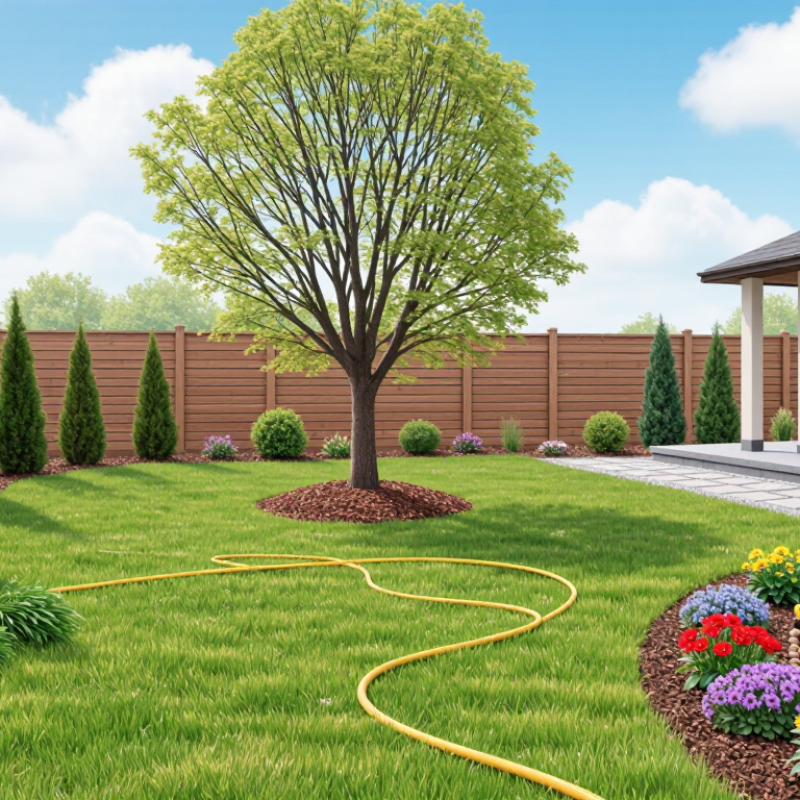
Assess Your Yard and Create a Seasonal Maintenance Plan
Assess your yard before planning seasonal maintenance.
Walk slowly and inspect the soil, grass, trees, drainage, and outdoor structures. Note bare patches, standing water, cracked branches, and areas where weeds spread quickly. Take photos from the same positions each season. Small changes become easier to notice.
Your local climate should guide the calendar.
In spring, test compacted soil and remove winter debris before planting. Check irrigation lines for leaks and adjust watering slowly.
During summer, mow high enough to shade the soil, and inspect plants early for heat stress. Water deeply in the morning when conditions are dry.
Autumn is useful for clearing leaves, pruning damaged growth, and repairing tools.
In winter, protect vulnerable plants and check drainage before heavy rain or snow.
Keep a simple maintenance sheet with dates, weather conditions, and completed tasks.
Soil testing can reveal problems that surface inspection misses. I once planned weekly mowing without considering rainfall, and the schedule quickly became unrealistic. Leave room for changing weather and unexpected repairs. A practical plan should support the yard, not control every hour of your week. Review it monthly, especially after storms or unusual temperature changes. Use gloves, stable footwear, and clean tools when working around sharp branches or wet ground.
Prepare Soil, Garden Beds, and Plants for Healthy Growth
Healthy growth begins below the leaves.
In early spring, test the soil before adding fertilizer or compost. A soil test reveals pH and nutrient levels more reliably than guesswork. Loosen compacted beds with a garden fork, but avoid turning wet soil into sticky clumps. Mix mature compost into the top few inches. Improve drainage where puddles remain after rain.
Remove broken stems and winter debris from garden beds. Clean tools between plants to reduce disease spread. Choose sturdy plants suited to your sunlight, climate, and drainage. Harden seedlings outdoors gradually, starting with one sheltered hour. Water deeply near the roots, rather than sprinkling leaves every day. Keep the soil evenly moist during establishment. Not constantly wet.
Summer maintenance depends on observation. Check leaves for curling, spots, or unusual insects twice each week. Pull weeds while they are small, before roots become established. Add a 5–8 centimeter layer of mulch, keeping it away from stems. This protects roots and reduces evaporation. I once piled mulch against a young tree, and its bark stayed damp. That mistake taught me to leave clear space around every trunk.
In autumn, remove diseased plant material, but leave healthy stems for beneficial insects. Add compost to empty beds and cover exposed soil with mulch or a living cover crop. Protect tender perennials before hard freezes arrive. During winter, inspect branches after heavy snow and gently remove excess weight. Plans still need adjustment. A shaded corner may require less water than the rest of the yard.
Maintain Lawns, Trees, Shrubs, and Outdoor Garden Areas
Top 10 Home Yard Maintenance Tips for Every Season
Maintain Lawns, Trees, Shrubs, and Outdoor Garden Areas
Healthy outdoor spaces need seasonal attention, not constant intervention. In spring, rake away wet leaves and inspect grass for bare patches. Add compost to garden beds before planting, but avoid burying tree trunks. I once spread mulch too thickly; the soil stayed damp, and shallow roots suffered. Keep mulch several inches from bark. Test soil when growth repeatedly looks weak. A simple report can prevent random fertilizer use.
Summer care is mostly about timing. Mow lawns high enough to shade the soil, removing no more than one-third of blade height. Water deeply in the early morning, checking that moisture reaches the root zone. Trees need slow soaking during prolonged heat, especially newly planted ones. Prune dead or broken limbs, but postpone major shaping until you understand the species. Shrubs often fail when clipped into dense green shells. Leave natural openings for light and airflow. Vegetable beds need weeding before roots spread. Small tasks matter.
In autumn, collect diseased leaves separately and clear debris from drainage paths. Trim shrubs lightly after flowering unless local guidance says otherwise. Winter does not mean neglect. Check branches after storms and keep paths safe, but never climb unstable trees without trained help. I still miss weeds under dormant shrubs sometimes. That mistake reminds me to inspect at soil level, not just from the patio. Record watering, pruning, and pest changes each season; notes make future decisions more reliable.
Top 10 Home Yard Maintenance Tips for Every Season
The chart shows how many seasons each maintenance task commonly requires attention. Timing varies by climate, plant type, and local growing conditions.
Regular mowing, watering, inspections, weed control, and garden-bed care support healthier lawns, trees, shrubs, and outdoor growing areas throughout the year.
Control Watering, Weeds, Pests, and Lawn Damage
Top 10 Home Yard Maintenance Tips for Every Season
Control watering by checking the soil before turning on irrigation. Push a finger two inches into the ground. If it feels cool and damp, wait. Water slowly until moisture reaches the root zone, rather than forming puddles. Early morning watering reduces evaporation and gives leaves time to dry. After heavy rain, pause scheduled watering and inspect low areas for standing water. Some weeks, I still overwater. That mistake can weaken roots and invite fungal problems.
Pull young weeds after rain, when their roots release more easily. Mulch can block sunlight, but keep it away from tree trunks and grass crowns. For pests, inspect leaf undersides, stems, and fresh damage before choosing any treatment. Beneficial insects may be present. Removing damaged leaves, improving airflow, and correcting excess moisture often helps first. Regional horticultural guidance can confirm pest identification and safe control methods.
Lawn damage changes with the season. Use a sharp mower blade, and avoid cutting more than one-third of the grass height. Keep heavy equipment off wet turf, because compacted soil drains poorly. Repair bare patches with suitable seed when temperatures support growth. During heat, reduce foot traffic and raise mowing height slightly. I once blamed insects for thinning grass, but compacted soil caused most of the problem. My timing was not perfect. Observe twice. Keep brief notes about rain, watering, weeds, and recurring damage.
Protect Your Yard During Seasonal Changes and Winter Dormancy
Top 10 Home Yard Maintenance Tips for Every Season
Protect Your Yard During Seasonal Changes and Winter Dormancy
Seasonal shifts can stress grass, trees, and garden beds. I inspect my yard weekly when temperatures change quickly. I remove fallen leaves from young grass, but leave a thin layer beneath established trees. It protects soil without creating a damp, compacted mat. Keep mowing until growth slows, and avoid cutting more than one-third of the grass height. Sharp blades make cleaner cuts. They also reduce disease risk.
Water deeply before the ground freezes, especially around evergreen shrubs and newly planted trees. Check the soil first. Wet soil needs no extra water. Add two to three inches of mulch around roots, leaving space around each trunk. This prevents rot and discourages pests. I once piled mulch too high, and the bark stayed wet for weeks. That mistake taught me to measure depth carefully. Protect delicate shrubs from drying winter winds with breathable covers, not sealed plastic.
During dormancy, avoid heavy pruning unless branches are damaged or dangerous. Many plants need their dormant structure for protection. Remove diseased leaves and dispose of them away from compost. Clean tools between plants with household disinfectant, then dry them fully. Test irrigation lines before freezing weather arrives, and drain exposed hoses. In spring, inspect for broken limbs, heaved soil, and dead patches. Some damage looks severe but recovers slowly. Give plants time before replacing them.






Share On: