
Blog
Signature Lawn and Landscape LLC
How to Find the Best Lawn Maintenance Equipment in China?
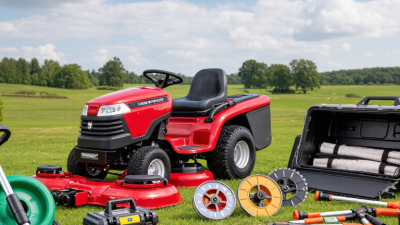
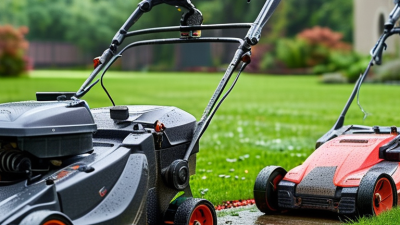
Finding the best Lawn Maintenance equipment in China requires more than comparing prices online. A machine may look powerful in a product photo, yet perform poorly on wet grass, uneven ground, or narrow garden paths. Reliable selection begins with the working environment. Consider lawn size, grass type, terrain, storage space, noise limits, and seasonal weather.
Turfgrass scientist Dr. Karl Danneberger often emphasizes, “The best defense against weeds is a healthy, dense turf.” His point also applies to equipment choices. A mower should cut evenly without tearing the grass. A trimmer should feel balanced after repeated use. A blower should provide useful airflow without becoming unnecessarily heavy or loud.
China offers broad equipment choices, from battery mowers and robotic systems to commercial zero-turn machines. However, not every factory provides the same quality control. Examine motor brands, battery capacity, blade materials, charging systems, spare-part availability, and warranty procedures. Request videos of real operating tests. Ask for cutting results on damp and tall grass, not only clean showroom lawns.
Small details matter.
Check plug compatibility and replacement costs. Confirm whether manuals are clear and service support is responsive. Factory experience, inspection records, and stable export history can reveal more than attractive packaging. I may be too cautious, but one overlooked battery specification can disrupt an entire maintenance schedule. The best supplier is not always the cheapest. It is the one that consistently delivers safe, practical, repairable equipment for your actual lawn conditions.
Define Your Lawn Maintenance Needs and Operating Conditions
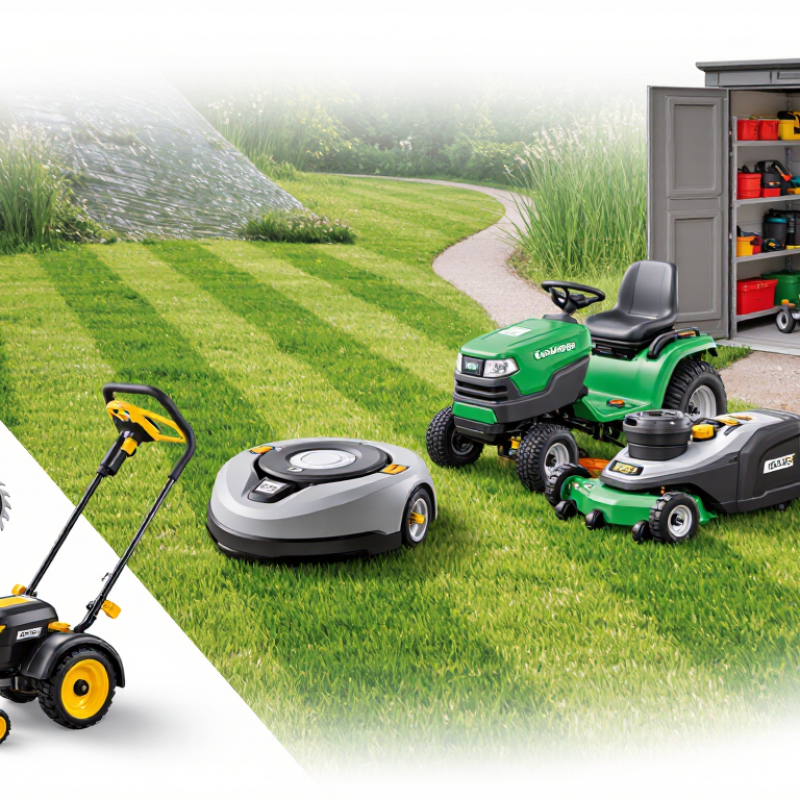
Before choosing lawn maintenance equipment in China, define the work clearly. Measure the total lawn area, grass height, slope, soil type, and cutting frequency. A small residential garden needs different tools from a sports field or hotel landscape.
Walk the site after rain and during dry weather. Wet soil can make heavy machines sink, while dry, compacted ground may require stronger equipment. Check narrow gates, storage space, power access, and transport routes.
I once underestimated a 90-centimetre gate, and the selected mower could not enter without partial disassembly. That mistake delayed the project.
Match equipment capacity to daily workload, not occasional peak demand. For frequent mowing, review cutting width, engine or battery performance, discharge control, and operator comfort. For slopes, prioritize traction, braking response, and stable handling.
Ask suppliers for test videos, technical specifications, maintenance schedules, spare-part availability, and operating instructions in clear English. Request samples or arrange an inspection when possible. Numbers can look convincing.
Local conditions also matter. Coastal air may accelerate corrosion, while dusty inland areas can clog filters quickly. Record average working hours, seasonal weather, and expected service intervals before requesting quotations.
Leave room for uncertainty; grass growth changes faster than many plans predict. A cheaper machine may cost more when downtime, labor, and difficult repairs are included. Calibration matters. A cutting deck set too low can stress turf, especially during hot weeks.
Compare Essential Equipment Types for Different Lawn Care Tasks
Choosing lawn maintenance equipment in China starts with the task, not the catalogue. Grand View Research estimates the global lawn mower market at about USD 31 billion in 2023, with steady growth expected through 2030. That growth reflects varied property needs, from small residential gardens to large sports fields.
A battery mower suits quiet, compact lawns. A petrol mower provides longer operation for rougher grass. For narrow edges, a string trimmer is more precise. It can also reach under benches and around trees.
Large lawns need different tools. A riding mower saves time across open ground, but it requires wider storage and regular servicing. A scarifier removes thatch, while an aerator improves air and water movement through compacted soil.
For fallen leaves, a blower is faster than a rake, although wet leaves can reduce its efficiency. The Freedonia Group’s lawn and garden equipment research highlights replacement demand and battery-powered technology as key market influences. Still, battery runtime is often overstated in practical conditions.
Tips: Ask Chinese suppliers for cutting width, noise level, battery capacity, charging time, spare-part availability, and test videos. Request samples before placing a large order. Check performance on wet grass, not only showroom turf. ISO 5395 safety requirements can guide mower evaluations, but certification claims need verification. I would also compare warranty terms carefully. The cheapest quotation may become expensive after one damaged blade. Suppliers should provide clear manuals and traceable quality records. Fancy specifications are not enough.
Evaluate Chinese Manufacturers, Product Quality, and Certifications
How to Find the Best Lawn Maintenance Equipment in China?
Choosing Chinese lawn maintenance equipment requires more than comparing online prices. Evaluate the manufacturer’s engineering process, factory controls, and after-sales reliability. Request production photos, material specifications, and recent inspection records. A serious supplier should explain blade steel grades, motor output, battery capacity, and expected service life clearly.
Check quality through samples, not promises. Examine welds, plastic thickness, wheel alignment, and handle strength. Run a mower on wet and uneven grass. Listen for unusual vibration. Measure cutting consistency after repeated use. For battery equipment, review charging protection, thermal control, and battery cell documentation. Independent testing can reveal problems that a factory sample may hide.
Certifications also need careful review. Confirm the certificate holder, model number, issuing laboratory, and expiration date. CE marking may support European market access, but it does not replace product testing or technical files. For electrical products, inspect EMC and safety reports. For materials, check relevant chemical compliance documents. ISO 9001 can indicate organized quality management, yet it does not guarantee every machine is excellent.
Factory audits provide stronger evidence. Review incoming material checks, assembly inspection points, calibration records, and batch traceability. Ask how defects are recorded and corrected. The response matters. Honest suppliers may admit weaknesses. That is useful. No evaluation is perfect; I would still retest equipment after shipping, because vibration, packaging pressure, or seasonal storage can expose overlooked faults.
How to Find the Best Lawn Maintenance Equipment in China?
A practical 100-point evaluation framework for comparing anonymous Chinese manufacturers by product quality, compliance evidence, manufacturing capability, and long-term support.
Product quality and safety compliance should receive the highest priority when evaluating lawn mowers, trimmers, blowers, and other maintenance equipment. Buyers should request ISO 9001 quality-system evidence, applicable CE technical documentation for European shipments, electrical and mechanical safety test reports, battery transport documentation such as UN 38.3 for lithium-ion products, and proof of spare-parts and warranty support before placing an order.
The percentages represent a transparent buyer scoring model rather than rankings of any specific company or brand.
Assess Pricing, Customization, Shipping, and After-Sales Support
How to Find the Best Lawn Maintenance Equipment in China?
Price is only the opening figure. Request a detailed quotation for each mower, trimmer, battery, charger, and spare part. Compare material quality, motor power, energy use, and expected service life. A low price may hide thinner decks or limited replacement parts. Ask for recent production photos, inspection records, and test results. Visit the facility online or in person when possible. Ask for evidence. Details matter.
Customization should solve a real maintenance problem. Discuss cutting width, handle height, blade materials, battery capacity, noise limits, and packaging dimensions. Confirm whether changes require new molds or minimum order quantities. Approve a sample before mass production. Keep the specifications signed and dated. Small misunderstandings can become expensive. That mistake costs.
Shipping requires practical planning. Confirm carton size, total weight, loading quantity, and delivery schedule. Battery-powered equipment may need additional transport documents and careful packing. Request a pre-shipment inspection with photos of serial numbers and accessories. After-sales support should include warranty length, response time, spare-part availability, and repair instructions. A reliable supplier explains exclusions clearly, not only attractive promises. Test the support channel before ordering. Send a technical question and measure the reply. Some purchasing teams ignore this step. Later, they regret it.
How to Find the Best Lawn Maintenance Equipment in China? — Pricing, Customization, Shipping, and After-Sales Support
| Equipment Category | Typical Application | Indicative China FOB Price | Common Customization Options | Typical MOQ | Estimated Production Lead Time | Shipping and Import Considerations | After-Sales Support to Confirm | Overall Purchasing Priority |
|---|---|---|---|---|---|---|---|---|
| Walk-Behind Lawn Mower | Residential lawns, small commercial properties, parks, and routine grass cutting. | US$150–450 per unit for petrol models; US$120–400 for battery-powered models. | Cutting width, deck material, handle design, wheel size, grass bag, motor configuration, safety labels, and packaging artwork. | Usually 20–100 units for standard models; higher quantities may be required for extensive private-label work. | Approximately 25–45 days after approval of specifications and deposit. | Compact models are relatively easy to palletize. Petrol units may require dangerous-goods documentation if shipped with fuel or certain batteries. | Request spare blades, belts, cables, wheels, batteries, chargers, and an illustrated repair manual. Confirm parts availability for at least 24 months. | ★★★★★ Best for general-purpose purchasing |
| Zero-Turn Mower | Large lawns, landscaping contractors, sports grounds, estates, and commercial maintenance projects. | US$3,000–8,500 per unit, depending on deck size, engine output, transmission, and cutting width. | Engine specification, deck width, seat suspension, tires, control levers, hydraulic components, lighting, color, and operator protection features. | Commonly 5–20 units for standard configurations; custom engineering normally requires a larger commitment. | Approximately 45–90 days, excluding prototype approval and testing. | High cubic volume and weight increase freight costs. Confirm whether the equipment can be shipped in a disassembled or knocked-down configuration. | Require hydraulic-system troubleshooting guidance, warranty terms for the engine and transmission, local technician training, and a recommended spare-parts list. | ★★★★☆ Best for high-area productivity |
| Ride-On Lawn Tractor | Medium to large residential properties, public green spaces, and light commercial landscaping. | US$2,000–6,000 per unit for standard cutting configurations. | Cutting deck, transmission type, grass collector, tow hitch, seat, dashboard, lighting, tires, and optional snow or utility attachments. | Typically 5–20 units for standard products; attachment packages may have separate minimum quantities. | Approximately 40–75 days depending on configuration and seasonal demand. | Confirm container loading quantity, ramp or lift-gate requirements, battery handling, and the availability of replacement deck components. | Check warranty coverage for the chassis, transmission, cutting deck, and electrical system separately. Ask for scheduled-maintenance intervals. | ★★★★☆ Best for comfort and multipurpose use |
| Robotic Lawn Mower | Small and medium lawns requiring scheduled, low-noise, automated mowing. | US$500–2,500 per unit, depending on cutting area, navigation system, battery capacity, and connectivity. | Navigation method, mobile application interface, charging station, language settings, battery capacity, enclosure color, packaging, and connectivity modules. | Often 20–100 units for existing models; software, enclosure, or navigation changes may require a higher MOQ. | Approximately 45–90 days; software customization and testing can extend the schedule. | Lithium-battery shipments require compliant packaging and transport documentation. Verify wireless certifications and regional frequency compatibility before import. | Confirm firmware-update procedures, application maintenance responsibility, battery-replacement cost, remote diagnostics, and customer data handling. | ★★★★☆ Best for automation and low noise |
| Petrol Brush Cutter | Grass edges, slopes, weeds, rough areas, and locations inaccessible to wheeled mowers. | US$60–220 per unit, depending on engine displacement, shaft design, harness, and cutting attachments. | Engine displacement, shaft type, handlebar design, harness, cutting head, guard, fuel tank, decals, and accessory kit. | Usually 50–200 units for standard products. | Approximately 20–40 days after specification confirmation. | Small dimensions support economical carton shipping. Units must be drained of fuel, and engine-related documentation should be prepared for customs clearance. | Request carburetor, clutch, drive-shaft, trimmer-head, and gearbox spare parts. Confirm vibration guidance and engine-starting instructions. | ★★★★★ Best for difficult terrain and edging |
| Leaf Blower and Vacuum | Leaf removal, pathway cleaning, garden maintenance, and light debris collection. | US$80–350 per unit for petrol or battery-powered models. | Airflow performance, tube configuration, collection bag, battery platform, charger, noise-reduction features, controls, and packaging. | Commonly 30–150 units for standard models. | Approximately 25–50 days; battery versions may require additional testing and documentation. | Battery models require transport-compliant packaging. Compare volumetric weight because blower tubes and collection bags can increase carton size. | Confirm motor, impeller, tube, switch, battery, and charger replacement procedures. Ask for noise, electrical-safety, and operating documentation. | ★★★★☆ Best for seasonal cleanup |
| Commercial Lawn Aerator | Improving soil aeration on sports fields, golf-course areas, parks, and heavily used turf. | US$1,000–4,500 per unit, depending on working width, tine mechanism, drive system, and operating depth. | Working width, tine spacing, operating depth, wheel configuration, handle controls, engine or motor, and transport wheels. | Usually 5–20 units for standard models. | Approximately 35–70 days depending on the mechanical configuration. | Equipment is relatively heavy for its size. Obtain exact packed dimensions and gross weight before comparing sea, rail, or consolidated freight quotations. | Confirm tine replacement intervals, belt and bearing specifications, service diagrams, warranty inspection procedures, and the availability of wear parts. | ★★★☆☆ Best for professional turf care |
| Tow-Behind Lawn Sweeper | Collecting grass clippings, leaves, and light debris from large lawns and open grounds. | US$180–650 per unit, depending on hopper volume, working width, brush system, and frame construction. | Hopper capacity, brush width, hitch type, wheel size, folding mechanism, frame coating, and replacement brush design. | Typically 20–100 units for standard configurations. | Approximately 25–50 days. | Often shipped partially assembled to reduce carton volume. Confirm assembly instructions, carton durability, and the number of units per pallet or container. | Request replacement brushes, wheels, bearings, hitch components, and clear assembly videos. Confirm the warranty process for damaged parts. | ★★★☆☆ Best for large open lawns |
Select Reliable Equipment Through Testing and Supplier Verification
Choosing lawn maintenance equipment in China should begin with field testing, not attractive product photos. A mower may look robust online but stall in damp, dense grass. Test it on uneven ground, narrow paths, and slopes that match your working conditions. Record cutting quality, battery endurance, fuel use, vibration, noise, and operator comfort. Small details matter. Check the blade housing after two hours.
Use several samples from different production batches when possible. One early test may look successful, yet a second unit can reveal loose fasteners or uneven finishing. That result is useful, even if disappointing.
Inspect welds, cable protection, handle joints, wheel alignment, and emergency controls. Ask for maintenance instructions and replacement-part drawings before placing a larger order. A supplier who answers clearly shows stronger technical control.
Supplier verification requires more than a polished factory video. Request business documents, production records, quality procedures, and recent inspection reports. Confirm whether the factory manufactures the equipment or outsources key components. A live video inspection can show assembly lines, storage areas, and testing stations. Independent pre-shipment inspection adds another layer of confidence. Verify packaging strength too; damaged cartons can turn good equipment into costly waste.
Keep written test results and supplier responses in one file. Compare performance against your actual workload, not only the lowest quotation. Ask difficult questions early. Reliable sourcing is rarely perfect. It improves through evidence, repeat testing, and honest attention to weak points.
Related Posts
-
China Best Maintenance Lawn Care Products for Global Buyers
-
China Top 10 Lawn Mowing And Yard Maintenance Manufacturers
-

China Top 10 Landscaping Yard Maintenance Companies?
-

Top 10 Home Yard Maintenance Tips for Every Season
-
Top 10 Landscaping And Yard Maintenance Products?
-
How to Choose Lawn Maintenance Equipment in 2026?


Share On: