
Blog

Signature Lawn and Landscape LLC

10 Best Landscaping And Yard Maintenance Tools

A well-kept yard begins with the right tools, not expensive equipment alone. The best Landscaping And Yard Maintenance tools should make routine work safer, faster, and more precise. They should also suit your soil, plant choices, climate, and available storage space.

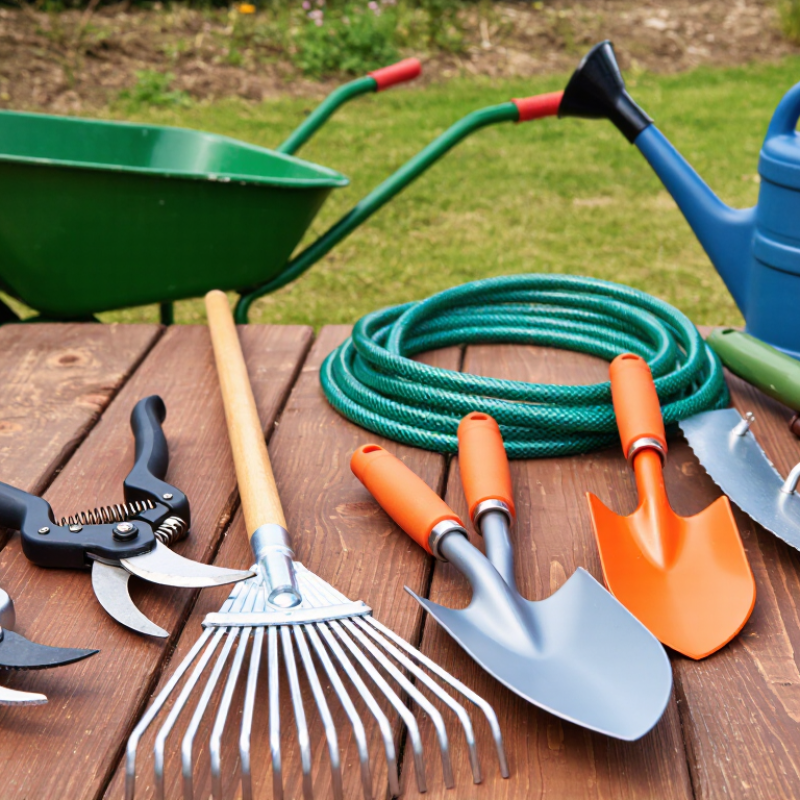
This guide examines ten practical tools used by homeowners and experienced groundskeepers. It covers essentials such as pruning shears, loppers, garden rakes, shovels, hoses, wheelbarrows, and lawn edgers. Each tool has a specific role. Sharp shears can create clean cuts on small branches. A sturdy rake can gather wet leaves without bending. A balanced wheelbarrow can move compost across uneven ground with less strain.

Small details matter. Check handle comfort before buying. Inspect blade quality and locking mechanisms. Choose rust-resistant materials for damp climates. Clean tools after use, then store them under cover. Good habits often extend tool life more than premium branding.

No tool works perfectly everywhere. A compact yard may not need a large cultivator. Heavy clay can challenge lightweight digging tools. I have also found that attractive designs sometimes sacrifice comfort during long tasks. That is worth remembering. Reliable recommendations should consider real handling, maintenance needs, and user safety. This overview helps readers compare useful equipment with clearer expectations, while recognizing that every garden presents different demands. A thoughtful toolkit can reduce wasted effort and support healthier plants throughout the seasons.
10 Best Landscaping And Yard Maintenance Tools

Hand Tools: Pruners, Loppers, Shears, Rakes, and Shovels

A reliable yard begins with the right hand tools, not a crowded shed. In my seasonal maintenance work, sharp bypass pruners handle thin stems and fresh growth cleanly. Their narrow blades reach crowded branches without crushing nearby buds. I use loppers for thicker limbs, especially when leverage matters more than speed. Long handles help, but careless pressure can split wood.

Hedge shears create a tidy outline across soft, even growth. They perform poorly on woody branches, where repeated cutting strains both hands. Rakes also deserve more attention than they receive. A leaf rake gathers dry leaves quickly, while a sturdy garden rake levels soil and breaks small clumps. I once used the wrong rake on wet debris and bent several teeth. That mistake still influences my tool choices.

A shovel should match the soil and the task. A pointed blade enters compact ground, while a square blade moves loose soil, mulch, or gravel. Keep the handle comfortable and the blade firmly attached. After use, remove soil, dry metal surfaces, and check for loose fasteners. Clean cuts are easier with maintained tools. I sometimes delay sharpening during busy weeks, and the results show in ragged stems and slower work. Good technique matters, but honest maintenance matters just as much.

Power Tools: Mowers, Trimmers, and Chainsaws Under ANSI Standards

Power tools make yard work faster, but speed should never replace careful selection.

For mowers, trimmers, and chainsaws, check the manual for applicable ANSI standards before purchase.

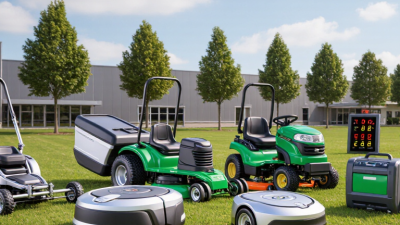
ANSI/OPEI B71.1 commonly covers walk-behind and ride-on mowers.

ANSI B175.1 applies to gasoline-powered chainsaws, while ANSI B175.3 addresses portable powered tools such as trimmers.

Standards can change, so confirm the current reference in the product documentation.

Look for practical safety features, not only impressive motor power.

A mower should have reliable blade controls, guards, and a stable discharge system.

Trimmers need secure shields and handles that remain comfortable during long edging sessions.

Chainsaws should include a chain brake, hand guard, and a clear method for tension adjustment.

Test the controls while the tool is switched off. They should feel obvious.

Wear eye protection, hearing protection, sturdy footwear, and close-fitting clothing.

Keep bystanders away from the cutting area. I still catch myself rushing through small maintenance tasks, especially when grass looks dry and harmless. That habit deserves correction.

Inspect cords, fuel systems, blades, and chains before every use.

Never bypass a safety device because it seems inconvenient.

A certification mark helps, but correct setup and disciplined handling matter just as much.

Manuals can feel repetitive. Read them anyway.

Water and Soil Tools: Hoses, Irrigation Meters, and Soil Testers

Good yard maintenance starts below the leaves, where water meets soil. A durable hose should bend without kinking and reach each planting bed comfortably. I prefer a slightly shorter hose that stores neatly over a long, heavy one. Before watering, inspect connectors for small leaks and cracked washers. A leak wastes water and lowers pressure at the nozzle. That detail is easy to miss.

An irrigation meter helps reveal whether a lawn is receiving enough moisture. Place its probe near the root zone, not against a dry pathway. Take readings in several areas because shade, slope, and soil texture change quickly. Water slowly when the surface feels dry several centimeters below the top. Do not trust one reading forever. Weather changes the result. Rain gauges and moisture meters can disagree, especially in compacted ground. Record readings after watering to build a useful local pattern.

Soil testers can check moisture, pH, and sometimes nutrient levels. Use clean probes and follow the depth instructions carefully. Cheap meters may drift, so compare unusual results with plant symptoms or laboratory testing. I once watered a wilted plant repeatedly, only to find waterlogged soil beneath it. That mistake taught me to check drainage before adding more water. Mulch, gentle irrigation, and occasional probe cleaning improve consistency. Roots near the surface may look healthy while deeper soil stays saturated.

Efficiency Guide: EPA WaterSense Products Use at Least 20% Less Water

10 Best Landscaping And Yard Maintenance Tools

Efficient yard care starts with tools that control water, not simply deliver more of it. EPA WaterSense labeled irrigation products use at least 20% less water than standard models. They must also meet performance requirements, which matters during hot, dry weeks.

A moisture meter can reveal whether soil is actually dry below the surface. A hose nozzle with adjustable spray reduces runoff around flower beds. Water-efficient sprinkler bodies, rotating nozzles, and smart irrigation controllers can direct water more evenly. Look for the WaterSense label when choosing these products. It provides a useful, independent reference.

Measure before watering. Please do this.

In my own yard, checking soil moisture changed my routine. The surface looked dusty, but the soil underneath remained damp. I nearly watered it again. That would have wasted water and encouraged shallow roots. A simple rake, pruning shears, and mulching tool also support efficient maintenance. Mulch slows evaporation around shrubs and young trees. Sharp shears create cleaner cuts, although I sometimes sharpen them later than I should.

Water early in the morning, when wind and heat are lower. Adjust controllers after rain, seasonal changes, or new planting. Even efficient products cannot correct poor scheduling. A cracked hose, clogged nozzle, or misplaced sprinkler can quietly waste water for days. Check connections by hand and watch the soil after each cycle. Small observations often matter more than buying every tool at once.

Safety and Care: OSHA’s 85-dBA Hearing-Protection Action Level

10 Best Landscaping And Yard Maintenance Tools

Safety and Care: OSHA’s 85-dBA Hearing-Protection Action Level

Landscaping tools make routine yard work faster, but many produce damaging noise. Mowers, trimmers, blowers, and chainsaws can expose workers to high sound levels. OSHA uses 85 dBA as the action level for an eight-hour, time-weighted average in covered workplaces. This level signals that a hearing-conservation program may be necessary. It is not a comfort test. I once judged noise by discomfort alone. That was a mistake.

Measure exposure when possible. A personal noise dosimeter gives better information than a phone application, especially around changing tasks. Keep equipment maintained, because loose guards, worn mufflers, and dull cutting parts can increase noise. Work farther from running engines when practical. Rotate tasks only when it genuinely lowers total exposure. Short breaks help, but they do not erase excessive daily noise.

Choose hearing protection that fits the worker and the task. Earplugs require clean hands and a complete seal. Earmuffs should sit firmly around the ears, without gaps from glasses or hair. Double protection may be appropriate near unusually loud equipment. Follow workplace procedures and qualified safety guidance. Check hearing protectors for cracks, dirt, and poor elasticity. Replace damaged parts. Small oversights matter. Noise can feel temporary while hearing damage may remain permanent. I still need to improve how consistently I check exposure before starting a long yard-maintenance job.