What Is a Photovoltaic Distribution Box?
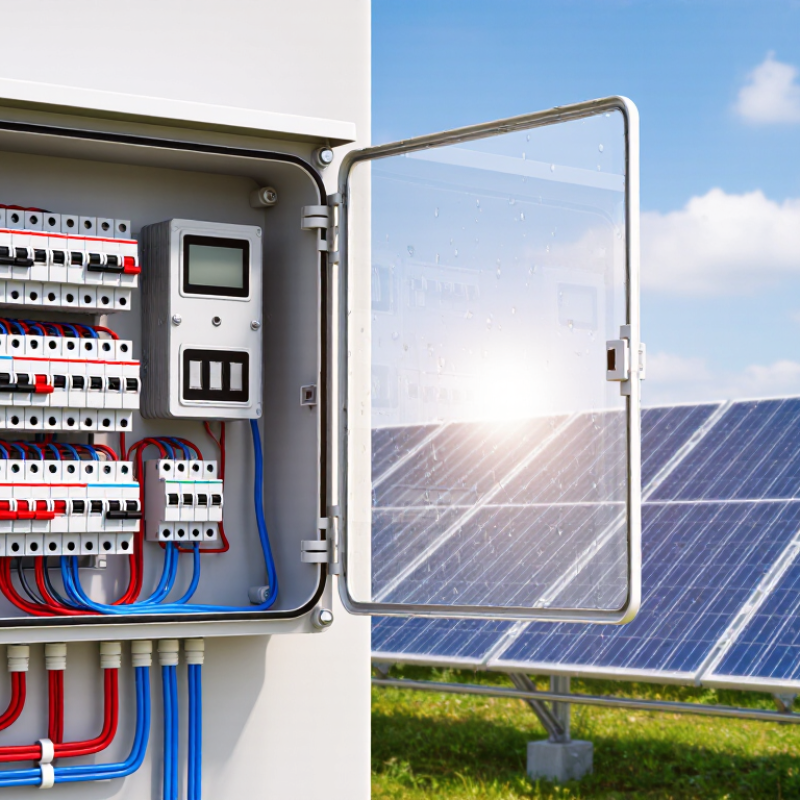
What Is a Photovoltaic Distribution Box? This question leads to a small but essential part of a solar power system. A Photovoltaic Distribution Box collects electricity from several photovoltaic strings and routes it toward an inverter or other equipment. It can include circuit breakers, fuses, surge protection devices, monitoring units, and disconnect switches. These parts work inside a sealed enclosure, often fixed beside solar panels or near the inverter.
PV systems engineer Elena Marquez explains, “A distribution box is the system’s traffic controller; it keeps current organized, protected, and visible.” Her statement highlights its practical role. The box does not generate electricity. It manages electrical paths and helps reduce risks caused by overloads, short circuits, lightning surges, or uneven string performance. Clear labels matter. So do correctly tightened terminals. A loose connection can create heat, discoloration, and an avoidable failure.
A reliable Photovoltaic Distribution Box must match the system voltage, current, enclosure rating, and installation environment. Outdoor installations may face rain, dust, salt air, and intense sunlight. Therefore, material quality and sealing deserve close attention. Yet, specifications alone cannot guarantee safety. Poor cable routing or careless maintenance can weaken a well-designed box.
This article explains the box’s structure, operating principle, protective components, installation points, and maintenance needs. It also considers common selection mistakes. Some explanations may seem simple. That is intentional. Solar equipment is easier to trust when its details are easy to inspect.
What Is a Photovoltaic Distribution Box?
A photovoltaic distribution box is an enclosure that manages electricity from solar panels before it reaches an inverter. It receives power from several photovoltaic strings and combines or distributes those circuits safely. In a typical rooftop system, it stands between the panels and the inverter. That sounds simple. Its purpose is controlled isolation, protection, and easier maintenance.
Inside, DC fuses help protect individual strings from excessive current. A DC isolator allows technicians to disconnect the array during servicing. Surge protection devices can reduce damage from transient overvoltage. Some boxes also include current monitoring and visible fault indicators. The enclosure should resist dust, moisture, ultraviolet exposure, and temperature changes. Weather resistance matters. Installers must match the box with the system voltage, current, string count, and grounding design. Incorrect sizing can create heat or nuisance interruptions.
During inspections, technicians check terminals, cable glands, seals, and signs of discoloration. A loose terminal may remain unnoticed until heavy sunlight increases the current. Labels should identify every string and switching position clearly. Small details decide safety. Selecting a box only by appearance is a common mistake. Its internal components, spacing, test records, and installation instructions deserve closer attention. Local electrical requirements also apply, and they can differ between projects. Even a well-designed box needs periodic inspection, because dust, moisture, and vibration gradually change real operating conditions.
What Is a Photovoltaic Distribution Box?
A photovoltaic distribution box, also called a PV combiner or protection box, collects outputs from multiple solar strings and routes them to an inverter or electrical distribution system. It commonly integrates DC fuses, surge protection devices, disconnectors, and monitoring terminals.
The chart compares common maximum DC system-voltage ratings used in photovoltaic installations. A distribution box must be selected with a voltage rating equal to or higher than the PV array’s maximum open-circuit voltage, while also matching the system current and protection requirements.
Main Components and Their Functions
A photovoltaic distribution box manages electrical flow between solar panels, inverters, and building circuits. In a rooftop installation, it gathers incoming DC power and provides controlled protection. The enclosure shields internal parts from rain, dust, ultraviolet exposure, and accidental contact. Its material and protection rating must suit the local environment. A sealed box is not automatically safe. Condensation can still form inside. Small details matter.
The DC isolator disconnects the array during maintenance or emergencies. DC fuses protect individual strings when current exceeds safe limits. A busbar distributes power across connected circuits and reduces loose cable joints. Surge protective devices divert sudden voltage spikes caused by nearby lightning or switching events. Clear polarity labels help prevent dangerous wiring errors.
On the AC side, circuit breakers interrupt abnormal current before cables overheat. Terminal blocks keep conductors organized and support reliable testing.
During field inspections, technicians check fuse condition, cable torque, discoloration, and moisture marks. A thermal camera may reveal a hot connection that looks normal externally. The monitoring unit can report voltage, current, or protection status, but its readings need verification. Sensors sometimes drift. That is easy to forget. Maintenance records should identify circuits, test dates, and observed changes. No design is perfect. A box that looks tidy may still contain an under-tightened terminal or an incorrectly selected fuse. Load calculations, local electrical rules, and qualified inspection remain essential before energizing the system.
How a Photovoltaic Distribution Box Works
What Is a Photovoltaic Distribution Box?
A photovoltaic distribution box manages and protects direct current from solar panel strings. It is usually installed between the panels and the inverter. The enclosure contains terminals, string fuses, a busbar, a DC isolator, and surge protection devices. Some models also include current monitoring equipment.
How a Photovoltaic Distribution Box Works
Each panel string enters through a separate cable pair. The positive conductor passes through a fuse, while the negative conductor connects to its terminal. These circuits then join on internal busbars. Combined current leaves the box and travels toward the inverter. The inverter can then convert the DC power into usable AC electricity.
Protection works continuously. A fuse opens when a string carries excessive current. The isolator separates the array during inspection or emergency maintenance. A surge protection device redirects sudden voltage spikes toward the grounding system. It cannot prevent every failure. That detail is often overlooked.
During field inspections, technicians check loose terminals, heat marks, water entry, and reversed polarity. A small darkened terminal may indicate rising resistance and future damage. Cable glands should remain tight after years of sunlight and temperature changes. The enclosure also needs a suitable weather-resistance rating for its location. Measurements should be taken with approved instruments by qualified personnel. Even when the inverter is off, sunlight can keep the array electrically energized. I have seen maintenance plans fail because this simple fact was ignored.
Key Types and Configuration Differences
A photovoltaic distribution box manages, protects, and organizes electrical paths in a solar power system. It usually sits between photovoltaic strings, an inverter, and the building’s electrical network. Its internal layout depends on whether it handles direct current, alternating current, or both.
A DC combiner box joins several panel strings into one controlled output. Typical components include string fuses, a DC isolator, surge protection, and a grounding connection. An AC distribution box works after the inverter. It may contain circuit breakers, surge protection, metering terminals, and an emergency disconnect.
Hybrid boxes combine DC and AC sections, but their separation must remain clear. This arrangement can save space, though maintenance becomes less convenient.
Configuration differences often involve string quantity, rated voltage, protection method, and enclosure conditions. A small rooftop array may use two fused inputs and a compact enclosure. A larger installation may require multiple inputs, monitoring points, replaceable protection devices, and stronger heat management.
Outdoor boxes need suitable ingress protection against rain, dust, and condensation. Cable glands should grip firmly without crushing insulation.
In field inspections, loose terminals and poor labeling appear more often than expected. They can create heat, confusion, and unsafe servicing conditions.
I would not select a box only by current rating. The installer should check maximum system voltage, short-circuit current, ambient temperature, cable size, and local electrical requirements. Some designs look neat but leave little working space. That detail deserves reconsideration.


Share On: