How to Use Gelatin Powder for Perfect Desserts and Treats?
Gelatin Powder is a versatile ingredient that elevates desserts and treats. According to a market report by Grand View Research, the global gelatin market is expected to reach USD 4.60 billion by 2025. This highlights the increasing demand for this essential culinary staple. Chefs and home bakers alike appreciate its ability to enhance texture, stability, and taste in various confections.
Despite its popularity, mastering Gelatin Powder can be challenging. Many novice cooks struggle with proper utilization. For example, knowing the right bloom time is critical. Overblooming can lead to undesirable textures. Industry experts emphasize that achieving the perfect dessert often requires practice and patience. Not all recipes yield the desired results on the first try.
When working with Gelatin Powder, understanding its properties is key. It thickens, stabilizes, and structures, but requires precision. As the baking community continues to explore innovative uses, the potential remains vast. People often overlook the nuances of this ingredient. It prompts reflection on our culinary journeys.
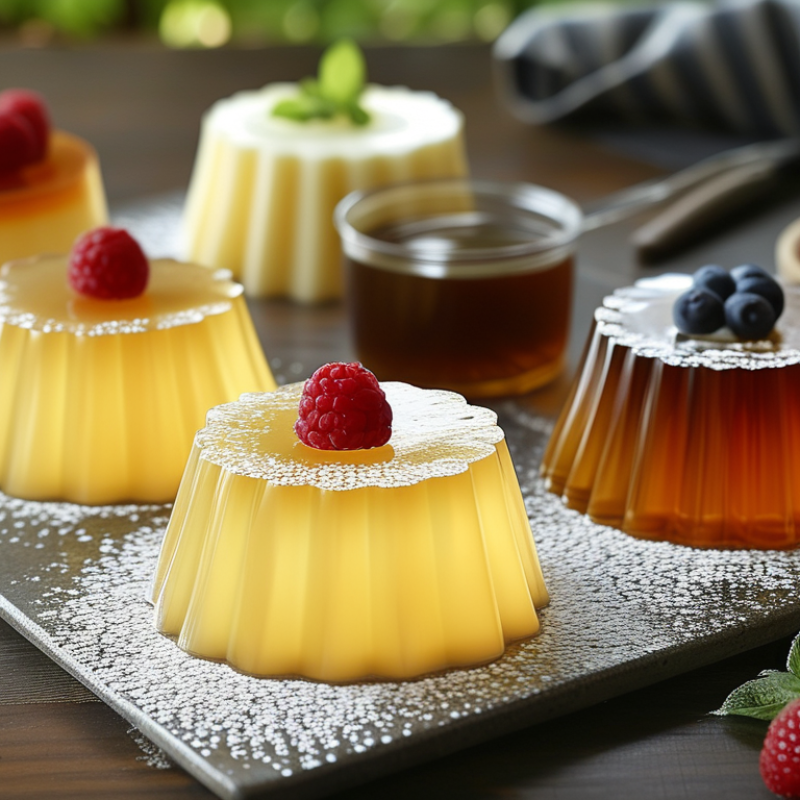
Understanding Gelatin: Types, Sources, and Industry Standards
Gelatin is a versatile ingredient derived from collagen, found in animal products like bones and skin. It's crucial to understand the types of gelatin available. The two main types are powdered and sheet gelatin. Powdered gelatin is easier to measure and mix, while sheet gelatin yields a clearer finish. Knowing which type to use can enhance your dessert’s texture and appearance.
Sources of gelatin vary, and they can be animal-based or vegetarian alternatives. Animal-based gelatin comes from pork or beef. Agar-agar offers a plant-based option, ideal for vegans. Each type behaves differently. Industry standards require labeling for quality, ensuring the ingredient meets safety and production guidelines.
While gelatin is reliable, mistakes can happen. Incorrect measurements lead to inconsistent results. Overheating can break down gelatin, causing it to lose its gelling properties. Always recheck instructions for the best outcome. This careful attention to detail makes a difference in your desserts.
Measuring Gelatin Powder: Accurate Techniques for Consistent Results
Measuring gelatin powder correctly is crucial for getting the perfect texture in your desserts. Whether you're making jellies, mousses, or panna cottas, precision matters. Start by using a kitchen scale for accurate measurements. One envelope of powdered gelatin generally weighs about 7 grams. Always check the packaging for specific instructions, as different types may vary.
When dissolving gelatin, use cold water first. Sprinkle the powder over the surface, and let it bloom for about five to ten minutes. After blooming, gently heat the mixture to fully dissolve it. Avoid high temperatures, as overheating can destroy its gelling properties. Remember, patience is key to perfect results.
Tips for measuring: Use a dry measuring spoon for small amounts. It’s easy to overestimate, especially with fluffy powders. Also, stirring can lead to clumping if you rush it. Keep your workspace clean to avoid cross-contamination. Mistakes can happen; don’t be discouraged if a recipe doesn’t set as planned. Use those experiences to improve next time.
How to Use Gelatin Powder for Perfect Desserts and Treats?
This chart illustrates the amount of gelatin powder typically used in various dessert recipes measured in grams per 500 grams of the final product. Understanding these measurements can help achieve perfect texture and consistency in your creations.
Incorporating Gelatin into Recipes: Temperature and Timing Guidelines
When using gelatin powder in desserts, temperature and timing are crucial. Softening the gelatin in cold water is a key step. It typically takes about five minutes. This allows the gelatin to bloom, ensuring an even texture in your final dish. After blooming, gently heat the mixture to dissolve the gelatin completely. Avoid boiling, as high temperatures may hinder its gelling ability.
Timing is also essential when adding gelatin to recipes. Mixing it too early or too late can lead to issues. For instance, folding gelatin into warm mixtures works well. Yet, if the mixture cools down too much, the gelatin can set prematurely. This can cause uneven textures. It's advisable to check the temperature of your mixtures frequently.
Keep in mind that not all desserts require the same amounts of gelatin. Sometimes, adjusting the quantity is necessary. This might take some trial and error. For example, a thick fruit puree may need more gelatin than a light cream base. Don't be afraid to tweak and adjust; experimentation often leads to better desserts.
Common Mistakes When Using Gelatin and How to Avoid Them
When using gelatin, many home cooks make common mistakes that can lead to disappointing results. One frequent error is not properly dissolving the gelatin. Always bloom gelatin in cold water first. This step allows the granules to soften before you heat them. If you skip this, you might end up with lumps or a grainy texture.
Another issue is adding gelatin to hot mixtures too soon. Pouring it in without letting it cool can cause the gelatin to lose its gelling properties. It’s important to allow the mixture to cool slightly before incorporating the bloomed gelatin. This ensures your treats set beautifully.
Tips: Use a thermometer. Gelatin works best around 95°F to 100°F. Mixing it in at this temperature can improve texture. Also, check your measurements. Too much gelatin can make desserts overly firm, while too little might lead to instability. Be mindful of how gelatin interacts with other ingredients, like acidic fruits which can hinder setting.
Lastly, remember that patience is key. Let your dessert chill adequately. Rushing this step often leads to disappointing results. It’s worth the wait to achieve a firm, luscious finish.
Creative Dessert Ideas: Unique Uses for Gelatin in Modern Treats
Gelatin powder can elevate modern desserts in surprising ways. Its versatility allows for creative combinations that enhance textures and flavors. For instance, incorporating gelatin into fruit mousses adds a luscious quality, creating a luxurious mouthfeel. According to recent industry reports, innovative dessert makers are increasingly using gelatin to craft visually appealing treats that stand out in a competitive market.
One unique idea is gelatin-infused cocktails. By using flavored gelatin, you can create exciting layered shots or jiggly cocktails that delight guests at parties. This concept has gained popularity, with a reported 30% rise in gelatin-based recipes online. Experimenting with different liquids can lead to interesting flavor profiles and textures, although recipe testing is crucial. Sometimes, the balance of flavors can miss the mark, requiring some adjustments.
Tips: Always hydrate gelatin properly before use to ensure it dissolves evenly. Be mindful of the amount of gelatin you use; too much can create an unpleasant firmness. Consider blending textures—perhaps layering a soft mousse with a crunchy base to create contrast. Mixing gelatin with non-traditional ingredients, like tea or spices, can yield unexpected delights but may require careful balancing to avoid overpowering flavors.


Share On: