

Blog

Signature Lawn and Landscape LLC

What Are the Top Floating Dock Types in 2026?

Floating Docks are becoming more adaptable as marinas, waterfront resorts, and private owners face changing water levels and stronger weather events. The best system in 2026 will not simply be the cheapest option. It must fit the shoreline, vessel type, water depth, maintenance plan, and expected wave exposure.

Recent reports from Grand View Research and Research and Markets identify modular marine infrastructure as a continuing growth area. Their findings point toward durable materials, simplified installation, and flexible layouts. The ICOMIA World Marina Report also highlights ongoing pressure on marina capacity and service quality. These trends help explain the rising interest in modular floating docks, aluminum systems, concrete docks, and specialized wave-attenuating platforms.

“Every floating dock should be designed around movement, not against it,” says marine engineer Michael A. O’Rourke. His observation captures a practical issue. Water rarely stays still. A dock that feels stable on a calm morning may behave differently during wind, wakes, or seasonal flooding.

That detail matters.

This guide compares the top Floating Docks types expected to lead in 2026. It examines stability, buoyancy, materials, installation, accessibility, environmental performance, and long-term costs. Some choices look impressive in product brochures but demand frequent hardware checks. Others appear basic yet perform reliably for decades. No single design fits every site. That is where many buying decisions go wrong.
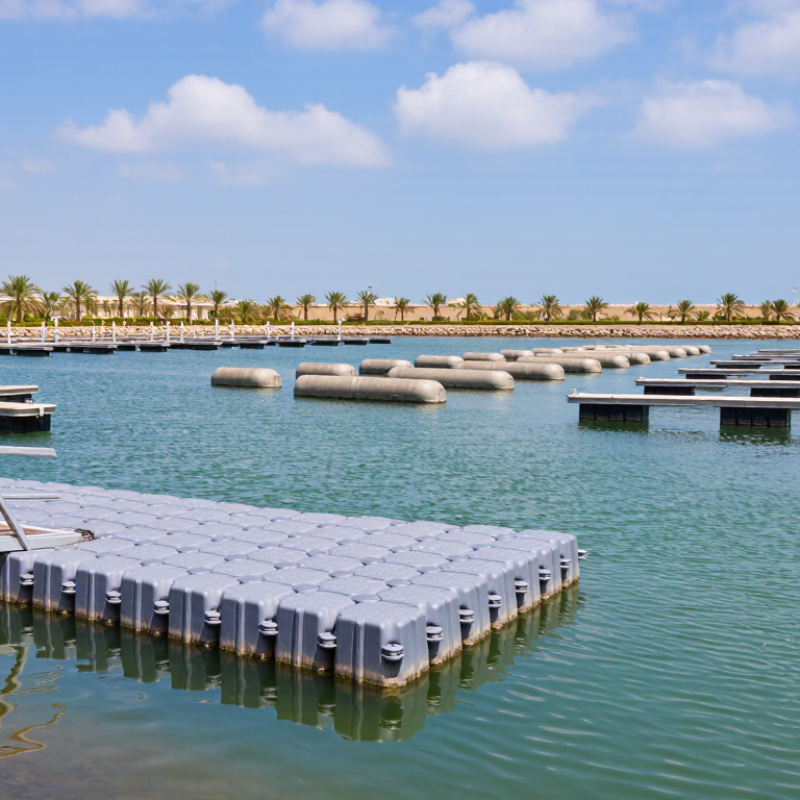
What Are the Top Floating Dock Types in 2026?

What Is a Floating Dock and How Does It Work?

A floating dock is a platform that rests on buoyant units instead of fixed posts. The floats displace water and create upward force. A frame spreads weight across the system, while decking provides a stable walking surface. As water rises or falls, the dock moves with it.

Common designs in 2026 include modular cube docks, pontoon-style docks, pipe-float platforms, and hinged shoreline sections. Modular cubes suit changing layouts and small access points. Pontoon systems usually provide stronger stability for boats and heavier use. Pipe-float platforms can be practical in calm water, but they may feel less rigid under uneven loads. Hinged sections help connect floating surfaces to shore without blocking natural water movement.

Anchors, guide piles, cables, or chains keep the dock within its operating area. Their selection depends on water depth, current, wind, bottom conditions, and seasonal weather. During inspections, loose connectors and worn float attachments deserve close attention. Small movement can become a serious alignment problem. Deck surfaces also need drainage and enough grip when wet. No floating dock is maintenance-free. That assumption needs challenging. Even a well-designed system requires checks after storms, unusual water levels, and heavy use. Load ratings should include people, equipment, and temporary storage, not just the dock’s empty weight.

Which Floating Dock Types Are Leading in 2026?

Which Floating Dock Types Are Leading in 2026?

Modular cube docks are leading in 2026 because they install quickly and adapt to changing water levels. Their interlocking sections can create straight runs, T-shapes, or small platforms. High-density polyethylene resists corrosion and needs little painting. I have found these systems useful for seasonal access, especially where storage space is limited. They can feel lively under heavy footsteps, though. Proper anchoring and weight distribution remain essential.

Pontoon-style docks are also strong competitors. Aluminum frames keep them light, while sealed floats provide dependable buoyancy. They suit boat access, fishing areas, and wider platforms with benches or lifts. In rougher conditions, concrete floating docks offer greater mass and stability. They reduce wave movement but require stronger equipment during delivery and installation. That added cost is not always justified.

Hybrid designs are gaining attention. A rigid main walkway can connect with modular extensions, allowing owners to replace damaged sections without rebuilding everything. Some systems now include low-energy lighting, drainage channels, and monitoring devices for water level changes. These features sound impressive, but they should solve a real maintenance problem. A dock selected from a brochure alone may perform poorly on a shallow, muddy shoreline. Site depth, ice movement, wind exposure, expected loads, and local engineering requirements should guide the final choice. My view may change as long-term field data becomes available.

How Do Modular Floating Docks Compare With Other Designs?

Modular floating docks are among the most adaptable dock types in 2026. Their interlocking sections can be expanded, repaired, or rearranged as waterfront needs change. This flexibility suits marinas, private shorelines, and temporary access points. Most modules use molded polyethylene, aluminum frames, or composite decking. These materials resist moisture and require less routine care than untreated wood. However, modular systems can shift under heavy waves if anchoring is poorly planned. Stability depends on water depth, current speed, connection strength, and shoreline conditions.

Traditional timber docks offer a warmer appearance and can be customized on site. They may feel more solid, but they often require sealing, inspections, and board replacement.

Concrete floating docks provide excellent mass and stability, although transportation and installation usually demand larger equipment. Aluminum docks are lightweight and durable, yet their surfaces can become slippery when wet. No design wins every site. That is where planning errors happen.

Tips: Measure water depth during seasonal changes. Check every hinge, bolt, float, and anchor after storms. Choose textured decking near ladders and boarding areas. Leave enough spacing for drainage and movement. A modular dock is not maintenance-free. Small cracks or loose connectors can become expensive problems. When uncertain, ask a qualified marine contractor to review load limits and local conditions before installation.

What Materials and Features Define Modern Floating Docks?

Modern floating docks are defined by material balance, not appearance alone. High-density polyethylene floats resist rot, impact, and repeated wetting. Aluminum frames reduce weight while supporting modular sections and adjustable gangways. Treated timber remains practical, but it needs regular inspection around fasteners and cut edges. A 2024 Grand View Research analysis estimated the global floating docks market at about USD 5 billion in 2023, reflecting continued demand for adaptable waterfront access.

Engineering details matter more than glossy finishes. Sealed float chambers, non-slip decking, corrosion-resistant connectors, and replaceable wear strips improve service life. Open-grid decking can improve drainage and reduce standing water after storms. NOAA’s 2022 Sea Level Rise Technical Report projects roughly 0.25 to 0.30 meters of average U.S. coastal rise by 2050. Therefore, modern systems need adjustable anchors, flexible utility connections, and enough freeboard for changing water levels. More movement means more maintenance.

Field inspections often reveal the overlooked weakness. Poorly aligned hinges can transfer heavy loads into one connection. Designers should verify wave exposure, current speed, ice risk, accessibility, and local loading requirements before selecting a dock type. I would not treat recycled plastic as automatically sustainable; its durability, repairability, and end-of-life recovery also require evidence. The World Bank’s What a Waste 2.0 report highlights the continuing global challenge of plastic collection and recycling. A durable dock is valuable, but only when its material choices match the site.

How Can You Choose the Right Floating Dock for Your Needs?

Choosing the right floating dock starts with the water, not the catalog. Measure seasonal water changes, wave exposure, depth, and shoreline access. Calm ponds may suit modular plastic sections, which are light and easy to reconfigure. Rivers and tidal areas often need stronger frames, flexible joints, and dependable anchoring. Concrete systems provide stability, but transportation and installation can be demanding. Aluminum reduces weight, while steel supports heavy use when corrosion protection is properly maintained.

Think about daily use before comparing prices. A dock for swimming needs broad, slip-resistant surfaces and easy entry points. A dock for kayaks may need lower edges, launch space, and gentle access. If several people will gather there, calculate the combined load, including furniture and equipment. Small details matter. A narrow gangway can become awkward when carrying coolers or wet gear. Accessibility also deserves attention, especially where users have limited balance or mobility.

In site assessments, I have seen attractive docks fail because anchoring was treated as an afterthought. The safest choice depends on local wind, current, ice, and changing water levels. Ask a qualified installer to check these conditions and review maintenance access. Inspect floats, connectors, cleats, and fasteners regularly. No dock is maintenance-free. I once favored a cheaper layout and underestimated repair access; that decision cost more time later. Leave room for adjustment, because water rarely behaves exactly as expected.