Blog
Signature Lawn and Landscape LLC
Top 10 Types of Bulk Impact Gloves for Wholesale Buyers?
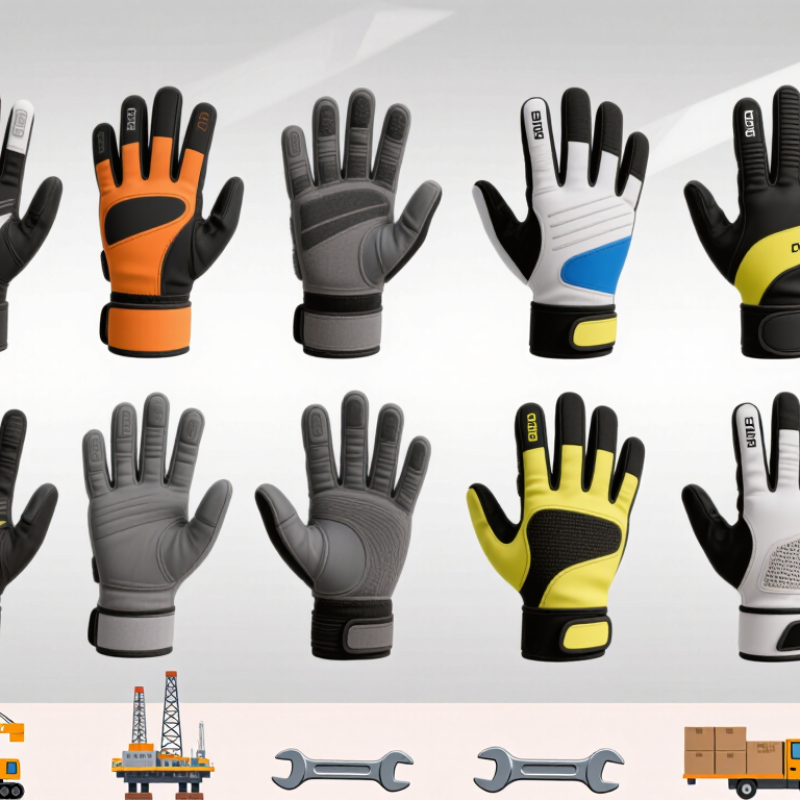
Choosing the right Bulk Impact Gloves is less about appearance and more about matching protection to real work. A warehouse picker needs flexibility around carton edges. An oilfield technician may need reinforced knuckles, palm grip, and resistance to repeated abrasion. A construction buyer may value impact coverage without sacrificing finger movement.
Dr. David Michaels, former Assistant Secretary of Labor for OSHA, has emphasized, “PPE should be the last line of defense, not the first.” That principle still matters for wholesale purchasing. Gloves can reduce hand injuries, but they cannot correct unsafe machinery, poor training, or careless procedures. Buyers should evaluate impact ratings, cut resistance, puncture protection, coating materials, closure systems, sizing, and expected replacement cycles. Small details matter. A loose wrist strap can catch on equipment. A stiff palm can slow tool handling. A bulky glove may look protective but remain unused.
This guide examines the top 10 types of Bulk Impact Gloves for wholesale buyers. It compares designs for construction, logistics, automotive work, maintenance, oil and gas, and general material handling. The goal is practical selection, not exaggerated promises. Some gloves perform well in laboratory tests yet feel uncomfortable during a long shift. That gap deserves attention. Buyers should request samples, test them with actual tools, and review supplier documentation before placing large orders. Price matters, but poor fit creates hidden costs through fatigue, returns, and inconsistent worker acceptance. Even this approach is not perfect. Worksites differ, and one “best” glove rarely exists.
Define Impact Protection: ANSI/ISEA 138 Levels 1–3 and EN 388 Impact P
Top 10 Types of Bulk Impact Gloves for Wholesale Buyers
Impact protection helps reduce injury when a glove meets tools, materials, or hard surfaces. ANSI/ISEA 138 measures impact attenuation on the back of the hand and fingers. Level 1 allows transmitted force up to 9 kN, Level 2 up to 6.5 kN, and Level 3 up to 4 kN. Lower force means stronger tested protection. These levels support clearer purchasing decisions, but they do not measure cut, puncture, abrasion, or grip performance.
EN 388 uses the letter P to show that the glove passed its optional impact test. It does not create three impact grades like ANSI/ISEA 138. A glove marked P may still differ in fit, flexibility, padding coverage, and durability. Buyers should inspect the full EN 388 code, not only the impact symbol.
In real warehouse trials, bulky protectors sometimes reduce dexterity. That detail is easy to overlook. A high rating alone cannot guarantee safe handling.
Tips: Match protection to the task and injury exposure. Request current test reports and product samples before ordering large quantities. Check whether protection covers the knuckles, fingers, or only selected zones. Ask workers to handle cartons, tools, and metal edges during trials. Their feedback may reveal problems that laboratory numbers miss. Consider mixed sizes and replacement demand. Cheap bulk gloves can become expensive when workers stop wearing them.
Classify the Top 10 Bulk Impact Glove Types by Protection and Materials
Top 10 Types of Bulk Impact Gloves for Wholesale Buyers
The U.S. Occupational Safety and Health Administration estimates that hand injuries affect about one million workers annually. For wholesale buyers, impact protection must match the task, not just the price. These ten types cover common material and protection combinations: 1) foam-nitrile gloves with TPR guards for general assembly; 2) sandy-nitrile gloves for oily tools; 3) polyurethane-coated gloves for dry precision work; 4) latex-coated gloves for flexible handling; 5) leather-palm gloves with TPR for construction; 6) synthetic-leather gloves with EVA padding for light impact; 7) HPPE cut-resistant gloves with impact guards; 8) aramid gloves for heat and cut exposure; 9) PVC-coated gloves for wet, abrasive handling; 10) insulated winter gloves with nitrile palms and TPR backs.
ANSI/ISEA 105-2016 rates cut resistance from A1 to A9, while EN 388:2016 measures abrasion, cut, tear, puncture, and impact performance. Impact approval alone does not prove cut or chemical protection. Material thickness can also reduce dexterity. That trade-off is often underestimated. A recent Grand View Research market analysis places the global protective gloves market at over 20 billion U.S. dollars in 2023, reflecting strong demand for task-specific PPE.
Tips: Ask suppliers for current test reports, size samples, coating thickness, and batch consistency. Check the impact marking on the glove, not only the product title. Test gripping with oily tools before ordering pallets. Sometimes, a cheaper glove creates faster replacement costs.
Compare TPR, PVC, Rubber, and D3O Designs for Wholesale Applications
Wholesale buyers usually compare impact gloves by shell material, comfort, and repeatable factory quality. TPR gloves offer flexible knuckle and finger protection. They suit warehouse handling, delivery work, and light mechanical tasks. PVC guards are economical and resist oil, moisture, and abrasion. However, PVC can feel stiff in cold conditions. Rubber designs provide strong grip on wet tools and textured surfaces. They often fit construction, maintenance, and outdoor handling applications.
D3O-style gloves use viscoelastic foam that remains flexible during normal movement. Under sudden force, the padding helps absorb and spread impact energy. They can improve comfort for workers who wear gloves for extended shifts. Still, buyers should check padding thickness, ventilation, and recovery after repeated impacts. A thicker guard is not always a better glove. It may reduce dexterity.
For a wholesale program, request test reports, material specifications, and production samples before confirming volume. Check stitching around the thumb, palm seams, and hook-and-loop closures. These small areas often reveal manufacturing weaknesses. Compare carton dimensions, size ratios, color consistency, and replacement lead times. TPR may be the practical middle option. PVC can control cost. Rubber can improve grip. D3O-style padding can serve higher-impact applications.
One sourcing mistake is judging gloves by appearance alone. I have seen attractive samples fail after repeated flexing. That lesson matters. Buyers should test each material with the intended tools, temperatures, and handling rhythm. Worker feedback may expose problems that laboratory figures miss. A glove can pass impact testing and still feel awkward after six hours.
Top 10 Types of Bulk Impact Gloves for Wholesale Buyers? - Compare TPR, PVC, Rubber, and D3O Designs for Wholesale Applications
| No. | Glove Type | Impact-Protection Design | Common Palm Material | Typical Strengths | Typical Limitations | Best Wholesale Applications | Key Buying Checks |
|---|---|---|---|---|---|---|---|
| 1 | TPR Back-of-Hand Impact Gloves | Flexible thermoplastic rubber panels molded over the knuckles, fingers, and back of the hand. | Nitrile, sandy nitrile, polyurethane, or synthetic leather. | Flexible Visible protection Good general grip TPR is lightweight and can be shaped into segmented protective zones. | Protection and flexibility vary widely with panel thickness, coverage, and attachment quality. TPR may become less flexible in cold conditions. | Construction, material handling, warehouse work, logistics, and general maintenance. | Check impact-test documentation, seam strength, panel coverage, finger mobility, and size consistency across bulk lots. |
| 2 | PVC Impact-Guard Gloves | Polyvinyl chloride impact elements or molded PVC reinforcement on the back of the hand and fingers. | PVC-coated textile, nitrile, or synthetic leather. | Cost-effective Abrasion resistance Easy cleaning PVC can provide a firm protective structure and is suitable for many industrial environments. | Usually less breathable and less flexible than thinner TPR systems. Performance can be affected by temperature and chemical exposure. | Budget-focused industrial programs, outdoor handling, utilities, and general-purpose workwear distribution. | Review coating flexibility, cold-temperature behavior, plasticizer compliance, odor, and applicable chemical-resistance data. |
| 3 | Rubber-Padded Impact Gloves | Natural or synthetic rubber pads, strips, or molded guards positioned over impact-prone areas. | Rubber-coated textile, leather, or synthetic leather. | Durable grip Good resilience Suitable for rough work Rubber provides elasticity and can maintain grip in demanding handling tasks. | Can be heavier and warmer than textile-based designs. Natural rubber may be unsuitable for users with latex sensitivity. | Heavy material handling, agricultural work, construction, landscaping, and equipment servicing. | Confirm whether the rubber is natural or synthetic, request latex declarations when relevant, and inspect bonding and tear resistance. |
| 4 | Advanced Viscoelastic Foam Impact Gloves | Viscoelastic or rate-sensitive foam inserts designed to absorb and disperse impact energy. | Nitrile, polyurethane, or synthetic leather. | Low-profile feel Comfort focused Flexible protection Soft inserts can conform to the hand and are often preferred where dexterity is important. | Usually higher cost than basic PVC or TPR designs. The foam may require careful testing for heat, moisture, compression, and long-term durability. | Premium industrial programs, precision maintenance, oil and gas support work, and high-dexterity applications. | Request independent impact-test reports, compression-set data, temperature limits, wash-care instructions, and insert-retention details. |
| 5 | TPU Reinforced Impact Gloves | Thermoplastic polyurethane guards or flexible molded overlays on the knuckles and back of the hand. | Coated knit, synthetic leather, or nitrile. | Flexible Abrasion resistant Smooth profile TPU generally offers a balance of elasticity, toughness, and surface durability. | Material cost can be higher than standard PVC. Poorly designed overlays may restrict finger movement or separate from the shell. | Automotive service, assembly, warehouse operations, equipment maintenance, and professional hand-tool use. | Inspect flex points, molding quality, adhesion, hydrolysis resistance where relevant, and compatibility with the glove liner. |
| 6 | Hard-Shell Composite Impact Gloves | Rigid or semi-rigid protective shells made from combinations of polymer, textile, and foam components. | Synthetic leather, reinforced textile, or coated knit. | High coverage Strong visual protection Structured fit Composite construction can protect larger areas of the back of the hand. | Typically bulkier and less dexterous. Shell edges, attachment points, and internal pressure areas require careful evaluation. | Heavy-duty construction, mining support, industrial maintenance, and applications with frequent contact against hard objects. | Check coverage maps, shell-edge finishing, articulation, impact certification, ventilation, and compatibility with tool handling. |
| 7 | Foam-Padded Impact Gloves | Open-cell or closed-cell foam padding placed beneath the back-of-hand fabric or in segmented protective channels. | Knitted textile, synthetic leather, or nitrile-coated fabric. | Comfortable Lightweight Economical Foam padding can reduce minor knocks and improve comfort during repetitive handling. | Basic foam may not provide the same impact performance as engineered protective systems. Absorption, water retention, and compression loss should be considered. | Light manufacturing, packaging, warehouse handling, delivery operations, and general-purpose workwear. | Distinguish comfort padding from certified impact protection, and verify foam recovery, moisture management, and wash durability. |
| 8 | Impact Gloves with Reinforced Knuckle Guards | Focused protection over the knuckles, often using molded TPR, TPU, rubber, or padded textile sections. | Nitrile, polyurethane, leather, or synthetic leather. | Good dexterity Targeted protection Lower bulk Concentrating protection at the knuckles can preserve finger movement and tool control. | Coverage may be limited on the fingers, metacarpals, and thumb. Not ideal when broad back-of-hand protection is required. | Automotive repair, equipment inspection, light fabrication, maintenance, and tool-intensive work. | Measure knuckle coverage, verify articulation, inspect guard-to-shell transitions, and confirm impact performance for the exact model. |
| 9 | Full-Finger TPR or Rubber Impact Gloves | Protective polymer or rubber elements extend across the fingers, finger joints, and back of the hand. | Textile with nitrile, latex, rubber, or synthetic leather palm surfaces. | Extended coverage Good grip options Suitable for rough handling More extensive guards can protect areas exposed to knocks from tools, materials, or equipment. | More coverage can reduce fine dexterity, increase heat retention, and make accurate sizing more important. | Construction, forestry support, heavy logistics, industrial handling, and outdoor maintenance. | Check finger articulation, thumb mobility, guard flexibility, palm durability, ventilation, and carton-level size distribution. |
| 10 | Cut-Resistant Impact Gloves | Impact guards are combined with high-performance fibers such as para-aramid, UHMWPE, or engineered blended yarns. | Nitrile, polyurethane, sandy nitrile, or reinforced synthetic leather. | Multi-hazard protection High-demand work Broad market appeal Designed for workplaces where impact and sharp-edge hazards may occur together. | Generally more expensive and may feel stiffer or warmer. Cut resistance does not automatically provide puncture, needle, or impact protection. | Metal handling, glass processing, sheet-metal work, recycling, fabrication, and industrial maintenance. | Verify the exact cut level, impact level, abrasion data, puncture results, coating performance, and laundering instructions under the target market standard. |

Match Impact Glove Types to Cut, Puncture, Abrasion, and Heat Ratings
Top 10 Types of Bulk Impact Gloves for Wholesale Buyers
Wholesale buyers should match glove construction with tested hazard ratings, not appearance. The ten practical categories include general impact, cut-resistant, puncture-resistant, abrasion-focused, heat-resistant, cold-weather, oil-grip, welding, needle-resistant, and multi-hazard impact gloves. Each type solves a different problem. A thick palm does not automatically provide cut protection.
For cut exposure, check ANSI/ISEA 105 cut levels A1–A9 or EN 388 ISO levels A–F. For puncture risk, review the applicable puncture test result, not only the impact label. Abrasion ratings matter when workers handle rough castings, sheet metal, or concrete edges. ANSI/ISEA 105 uses abrasion levels 1–6. EN 388 reports separate abrasion, puncture, cut, and impact results. Heat needs another check. EN 407 evaluates contact, convective, and radiant heat. A glove rated for brief contact heat may fail near hot tools.
Data supports careful selection. The UK Health and Safety Executive reported 7.3 million working days lost to work-related musculoskeletal disorders in 2022/23. Poor fit can increase fatigue and reduce grip. A glove can pass laboratory tests and still perform poorly on a wet production line. That matters.
Ask suppliers for current test reports, batch traceability, sizing data, and laundering instructions. Sample gloves should be tested with the actual tools, oils, edges, and temperatures. Ten styles on a quotation sheet may look efficient. It is not always efficient. A very high cut rating can reduce dexterity, while extra padding may weaken grip. Recheck the balance before placing a large order.
Evaluate Wholesale Value Using Standards, Certifications, Fit, and MOQ Data
Wholesale impact gloves should be judged by evidence, not appearance. The U.S. Bureau of Labor Statistics recorded about 2.6 million nonfatal workplace injuries in 2023, showing why hand protection requires careful selection. ANSI/ISEA 138-2019 rates impact resistance from Level 1 to Level 3, based on measured transmitted force. Ask suppliers for laboratory reports, not only catalog claims. A stronger rating may improve protection, but it can also reduce dexterity.
EN 388:2016+A1:2018 provides another useful comparison. Its performance code covers abrasion, cut, tear, puncture, and impact resistance. Check the complete code. An impact mark alone is insufficient. For European distribution, request valid conformity documentation under Regulation (EU) 2016/425. For other markets, verify local requirements before placing a bulk order. Certification paperwork can be confusing. That is a warning sign.
Fit changes wholesale value more than many buyers expect. Measure palm width, test finger movement, and inspect cuff security with actual work motions. Poor sizing creates returns, discomfort, and avoidable replacement costs. Compare quotations at 500, 1,000, and 5,000 pairs, including testing, packaging, freight, and defect allowances. A low MOQ is not automatically better. It may increase unit cost or reveal unstable production. I would request pre-production samples and inspect at least several dozen pairs before approval. This is slower, but one overlooked seam can undermine an otherwise impressive certification file. Sources: BLS 2023 SOII; ANSI/ISEA 138-2019; EN 388:2016+A1:2018.
Top 10 Types of Bulk Impact Gloves for Wholesale Buyers
Indicative wholesale-value benchmark based on impact protection, applicable standards, fit, certification readiness, durability, and typical MOQ levels. Values are planning estimates rather than supplier quotations.
Higher scores indicate stronger overall wholesale value. Typical MOQ figures represent common bulk-order starting points and can vary by size mix, color, customization, packaging, and testing requirements.
| Glove Type | Common Standards / Markings | Fit Profile | Typical MOQ |
|---|---|---|---|
| TPR Palm-Coated Work Gloves | ANSI/ISEA 138; EN 388; ISO 21420 | Balanced dexterity and coverage | 500 units |
| TPR Full-Back Impact Gloves | ANSI/ISEA 138; EN 388; ISO 21420 | High dorsal protection, less flexible | 300 units |
| Nitrile Palm-Coated Impact Gloves | ANSI/ISEA 138; EN 388; ISO 21420 | Good grip and general handling fit | 500 units |
| Cut-Resistant HPPE Impact Gloves | ANSI/ISEA 105; ANSI/ISEA 138; EN 388 | Close fit with higher protection | 500 units |
| PU-Coated Impact Gloves | ANSI/ISEA 138; EN 388; ISO 21420 | High dexterity and light handling | 1,000 units |
| Leather Impact Gloves | EN 388; ISO 21420 | Durable fit with lower dexterity | 300 units |
| Winter-Insulated Impact Gloves | ANSI/ISEA 138; EN 388; ISO 21420 | Warm fit, reduced tactile sensitivity | 500 units |
| Aramid-Fiber Impact Gloves | ANSI/ISEA 105; ANSI/ISEA 138; EN 388 | Protective fit for heat and cut risks | 300 units |
| Latex-Coated Impact Gloves | ANSI/ISEA 138; EN 388; ISO 21420 | Flexible fit with strong wet grip | 500 units |
| Touchscreen-Compatible Impact Gloves | ANSI/ISEA 138; EN 388; ISO 21420 | Close fit for device-based workflows | 1,000 units |


Share On: