Top Packaging Machinery Trends You Should Know About?
The Packaging Machinery sector is seeing rapid evolution driven by technology. According to the latest report from MarketsandMarkets, the global packaging machinery market is expected to reach $50 billion by 2027, growing at a CAGR of 5.5%. This growth reflects the rising demand for automation and efficiency in production lines. As manufacturers strive for improved output, the integration of smart technology has become essential.
Today, packaging machinery is not just about enclosing products. It's about enhancing functionality, sustainability, and user engagement. The push towards eco-friendly solutions has led to innovations in materials and machine designs. However, the industry faces challenges, especially with balancing cost and technological investment. Companies must adapt quickly or risk falling behind.
Trends like IoT integration and AI-driven analytics are transforming how packaging machinery operates. These advancements allow for real-time monitoring and predictive maintenance. Yet, the implementation of such technologies requires skilled personnel and substantial training. The learning curve can be steep, and not all companies are prepared. Embracing change often includes trial and error, highlighting the need for strategic planning in adopting new machinery innovations.
Emerging Technologies in Packaging Machinery
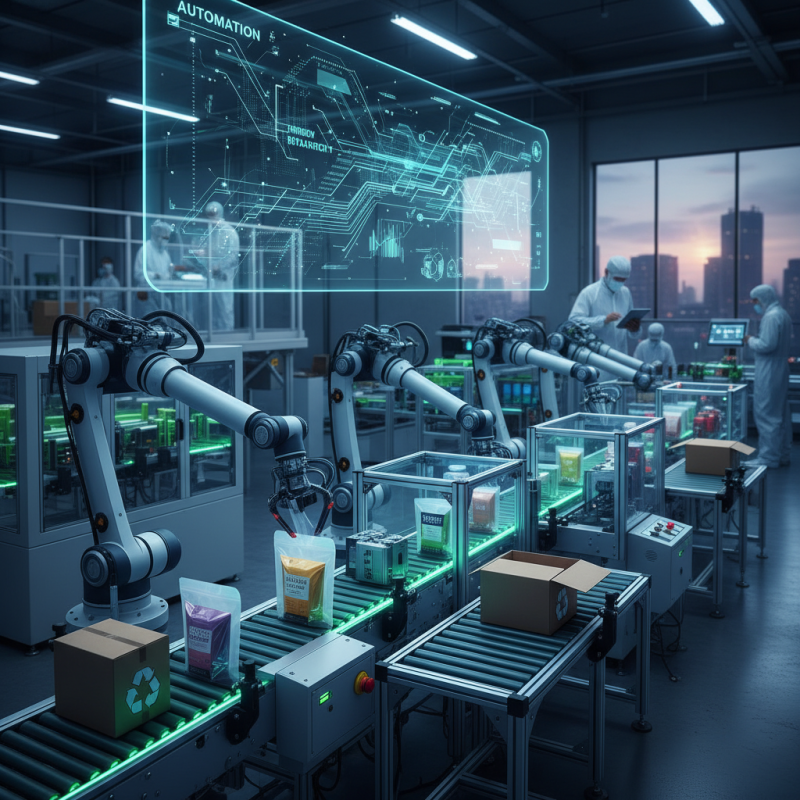
Emerging technologies are transforming packaging machinery at a rapid pace. Data from industry reports indicate that the global packaging machinery market is expected to reach $50 billion by 2026, growing at a CAGR of around 5.7%. This growth is fueled by advancements in automation and smart technology, which improve efficiency and reduce labor costs. The integration of IoT (Internet of Things) in packaging machinery enhances real-time monitoring and data collection, driving informed decision-making.
Robotic process automation is another trend to watch. Companies are adopting robotics to handle repetitive tasks. This reduces human error and increases speed. According to a study by Research and Markets, the use of robotics in packaging machinery will grow significantly, likely reaching $8 billion by 2025. However, some businesses still struggle with initial setup costs and integration challenges. This highlights a need for better training and support.
Additionally, sustainable packaging plays a vital role in today's market. As consumers demand greener solutions, machinery that can handle recyclable materials is essential. Reports suggest that 40% of packaging machinery is being upgraded to accommodate biodegradable options. Yet, many manufacturers face hurdles adapting to these materials effectively, indicating a gap in knowledge and resources. Addressing these issues will be crucial for staying competitive in this evolving landscape.
Top Packaging Machinery Trends You Should Know About?
| Trend | Description | Impact on Industry | Emerging Technology |
| Automation | Increasing integration of robotics to enhance processing speed and reduce labor costs. | Enhanced efficiency and reduction in errors during packaging. | Robotic Process Automation (RPA) |
| Sustainability | Shift towards eco-friendly materials and processes in packaging solutions. | Meeting consumer demand for sustainable products, reducing carbon footprint. | Biodegradable and recyclable materials |
| Smart Packaging | Integration of sensors and indicators for tracking and product condition monitoring. | Improved product safety and consumer assurance. | Internet of Things (IoT) |
| Personalization | Customization of packaging designs to cater to individual consumer preferences. | Stronger brand loyalty and enhanced customer engagement. | Digital Printing Technology |
| Data Analytics | Leveraging big data to optimize packaging processes and supply chain dynamics. | Informed decision-making leading to cost reductions and performance improvements. | Advanced Analytics Tools |
Sustainability Initiatives in Packaging Processes
Sustainability initiatives are reshaping the packaging industry. Companies are increasingly aware of their environmental impact. They are seeking eco-friendly materials and processes. Many packaging lines now utilize biodegradable films and recycled cardboard. This shift benefits both the planet and the brand’s image.
However, adapting to these practices can be challenging. Not all materials perform well under various conditions. Companies often face trade-offs between sustainability and efficiency. For instance, while some sustainable materials are promising, they might not offer the same durability. It’s crucial to find a balance that maintains product integrity.
Collaboration with suppliers is vital in this landscape. Innovative partnerships can lead to new solutions. Companies are exploring shared resources to reduce waste. Engaging with customers about sustainability is also essential. Their feedback can drive meaningful changes. This journey is ongoing, and reflection is part of the process.
Automation and Robotics Influence on Packaging Efficiency
Automation and robotics are revolutionizing the packaging industry. According to a report by McKinsey, companies that adopt these technologies see up to a 30% increase in efficiency. These changes enhance production speed and reduce human error. Automation allows for precise control over packaging processes, from filling to labeling. As a result, businesses can meet higher demand without compromising quality.
Robotic systems play a crucial role in this transformation. They handle repetitive tasks like unpacking and sorting at an incredible pace. A study by the International Federation of Robotics reports that robot installations grew by over 12% in recent years. This growth indicates a shift toward intelligent packaging solutions. However, the integration process can be challenging. Staff training is essential to align human operators with automated systems.
Yet, adopting automation raises important questions. Not all companies benefit equally from these technologies. Smaller businesses often face barriers like high upfront costs. They must weigh potential gains against these challenges. The industry continues to evolve, and the balance between human oversight and machines remains a topic for reflection. Embracing automation requires careful consideration of each organization’s unique circumstances.
Trends in Smart Packaging Solutions and IoT Integration
The integration of smart packaging solutions and IoT technology is revolutionizing the packaging machinery industry. According to a recent report by Smithers Pira, the smart packaging market is expected to reach $31 billion by 2024, driven by consumer demand for enhanced experiences. IoT-enabled packaging is gaining traction, allowing real-time tracking and data collection, which improves supply chain efficiency and transparency.
Consumers increasingly seek transparency in product sourcing and safety. Brands are adopting smart labels equipped with QR codes and NFC technology. These labels provide instant access to product information, helping consumers make informed decisions. The 2022 Packaging Industry Trends report indicated that 35% of consumers want more information about products before purchase.
Tip: Consider investing in IoT technologies to enhance customer engagement. Simple digital interactions can elevate user experiences and build loyalty.
Adopting these solutions does come with challenges. Integrating new technology into established processes can be complex. Companies must ensure their staff is trained and prepared for this shift. Additionally, data security is a concern. A recent study from the International Packaging Association highlighted that 41% of companies fear data breaches in IoT environments. Addressing these issues is vital for successful implementation.
Tip: Evaluate your current practices critically. Identify any gaps that might hinder the transition to smart packaging solutions.
Customization and Personalization in Packaging Design
Customization and personalization in packaging design have become critical trends for businesses. Today's consumers want packaging that speaks directly to them. This shifting landscape reflects a desire for connection beyond the product itself.
Brands are exploring unique designs that tell a story. Limited editions, user-generated designs, and interactive elements engage customers. For instance, a food brand might include individual flavors in personalized packaging. This approach fosters loyalty and enhances the unboxing experience. Creating package designs that resonate requires a deep understanding of the audience.
However, these trends aren't without challenges. Balancing personalization with production efficiency can be tricky. Companies need to invest time and resources into research and development. There is also the risk of loss if a personalized approach doesn't meet market expectations. Continuous improvement and feedback loops are necessary to refine these strategies. Adapting to consumer preferences while maintaining brand identity can become a tightrope walk.
Top Packaging Machinery Trends: Customization and Personalization in Packaging Design


Share On: