Top Landscape Design And Maintenance Tips For Your Property?
Landscape design and maintenance are vital for enhancing your property’s appeal. A well-designed landscape reflects your style and complements your home. Proper care and upkeep ensure that your outdoor space remains vibrant and inviting.
Creating a stunning garden requires knowledge and planning. Understand the climate in your area. Choose plants that thrive in your specific conditions. Incorporating local flora can reduce maintenance efforts and foster sustainability. Regular maintenance is equally crucial. Neglect can lead to overgrowth and unwanted pests.
Investing time in your landscape not only boosts aesthetics but also increases property value. Consider hiring professionals if you lack experience. However, even DIY enthusiasts can thrive with the right resources. Mistakes will happen, and that is part of the learning experience. Reflecting on what works best for your space is essential to continuous improvement.
Understanding the Basics of Landscape Design for Your Property
Understanding the basics of landscape design is crucial for enhancing your property’s appeal. A well-planned landscape can create a harmonious environment. Begin with your property’s natural features. Assess the sunlight, soil quality, and water drainage. These factors significantly influence what plants will thrive.
Consider incorporating native plants. They require less water and maintenance, fitting seamlessly into your local ecosystem. Group plants according to their water and sunlight needs. This practice not only conserves resources but also promotes healthier growth. Experiment with different textures and colors to add depth. A mix of large and small plants creates visual interest.
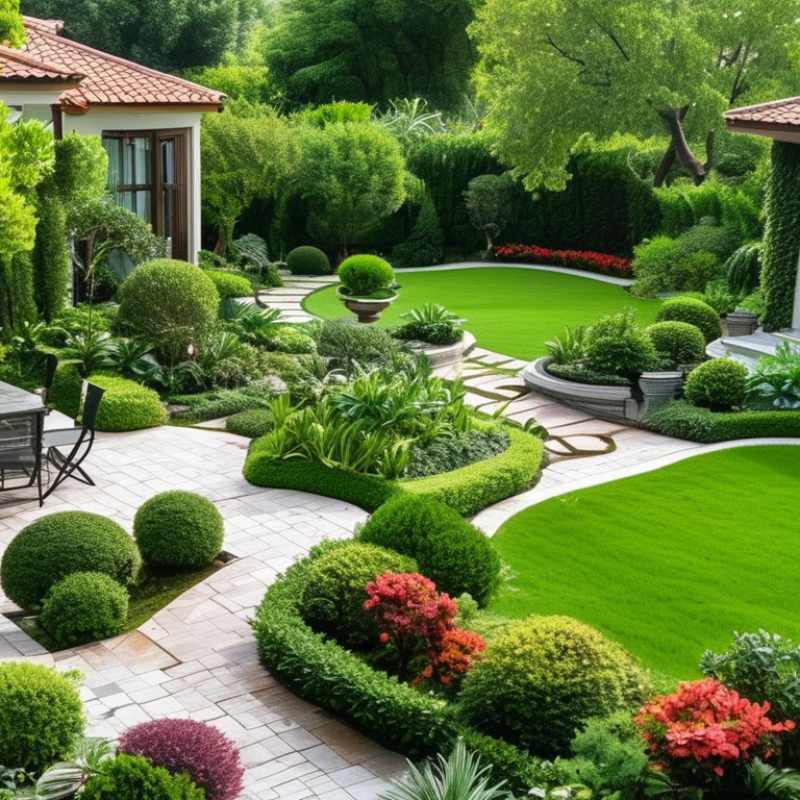
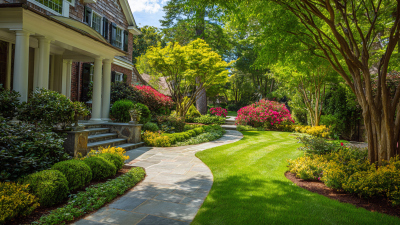
Pay attention to hardscapes like paths and patios. These elements serve as functional connectors. Use materials that complement your home’s architecture. Think about seasonal appeal, too. Planting flowers that bloom at different times keeps the landscape vibrant year-round. Monitor your garden regularly to identify areas needing adjustments or improvement. It's a learning process, and sometimes things may not work out as expected. Embrace these challenges to refine your landscape design continuously.
Essential Elements of Landscape Maintenance for Longevity
Maintaining a beautiful landscape requires both knowledge and dedication. Watering your plants properly is crucial. Overwatering can drown roots, while underwatering can lead to dryness. Observe your plants regularly to understand their specific needs. Different species thrive under different conditions. Learning to recognize signs of stress is vital for timely intervention.
Mulching is often overlooked but incredibly important. It protects soil moisture and suppresses weeds. Mulch also adds nutrients as it breaks down. Aim to refresh your mulch layer every few months. This simple task can save you time and effort on weeding later.
Pruning is another essential aspect of landscape maintenance. Properly trimmed plants look neater and healthier. However, many homeowners hesitate to prune. They worry about damaging their plants. Understanding when and how to prune is key. Late winter or early spring is usually ideal. Don’t be afraid to make mistakes; learning through experience builds confidence. Regular maintenance ensures a vibrant landscape that can last for years to come.
Choosing the Right Plants for Your Local Climate and Soil
Choosing the right plants for your local climate and soil is essential for a thriving landscape. Start by understanding your region’s climate. Look at the average temperature, rainfall, and frost dates. These factors will heavily influence which plants can thrive. For example, desert regions require drought-resistant varieties, while wetter areas may support lush greenery.
Soil quality is equally important when selecting plants. Conduct a soil test to determine pH levels and nutrient content. Different plants have varying soil preferences. Some flourish in sandy soils, while others need clay or loamy conditions. It's crucial to match plants to these specifications. Consider native species; they are adapted to local conditions and usually require less maintenance.
It’s a process of trial and error. You may plant something that doesn’t thrive as expected. This can be frustrating but offers valuable learning experiences. Observing how plants respond to their environment will help refine your choices over time. A successful landscape is a blend of patience, observation, and the willingness to adapt.
Incorporating Hardscaping: Patios, Pathways, and Features
Creating an inviting outdoor space goes beyond just planting flowers and trimming trees. Incorporating hardscaping elements like patios and pathways can elevate your property’s appeal significantly. According to the American Society of Landscape Architects (ASLA), hardscaping can increase a home’s value by adding functional space for relaxation or entertainment.
Patios are a fantastic addition. They provide a designated area for gatherings, barbecues, or simply enjoying a cup of coffee. When designing a patio, material selection matters. Stone and brick can complement various home styles, while concrete offers durability and ease of maintenance. The National Association of Home Builders reports that about 60% of homeowners seek outdoor living spaces as a priority in their renovation plans.
Pathways help guide visitors through your garden while defining spaces. Whether you choose gravel, pavers, or stamped concrete, pathways enhance both aesthetics and functionality. It’s worth noting that proper drainage should be considered to avoid erosion issues. Routinely, homeowners overlook the importance of upkeep, leading to crumbling edges and weeds intruding into the hardscape. Regular maintenance of these features is crucial for long-lasting beauty.
Seasonal Landscape Care: What to Do Throughout the Year
Seasonal landscape care is essential for maintaining a vibrant property. In spring, focus on cleaning up debris left from winter, trimming dead branches, and preparing your soil for planting. This is the time to assess your plants. Are they thriving or struggling? Conducting a thorough health check can direct your efforts for the season.
Summer involves regular watering and mulching to retain moisture. Deadheading blooms encourages more flowers. Weeds can quickly overtake gardens, demanding vigilance. It’s also a time for reflection: is your current landscape meeting your vision? Adjustments might be necessary.
As fall arrives, it's time to prepare for winter. Rake leaves and protect your plants from frost. Fertilizing your lawn and gardens can set the stage for a strong recovery in spring. Take note of what worked well during the year and what didn’t. This ongoing cycle of care can be challenging, but it fosters growth and beauty over time.





Share On: