How to Choose the Right Nitrate Based Fertilizer
Choosing a Nitrate Based Fertilizer is not just a matter of comparing numbers on a bag. The right product should fit the crop, soil, water, and growth stage. A greenhouse grower managing tomatoes may value calcium alongside nitrate, while a field farmer may focus on crop demand and rainfall risk. Details matter. Product labels can look similar, yet nutrient ratios, solubility, and added elements differ. Check them carefully.
Dr. Thomas Bruulsema, a plant-nutrition scientist associated with 4R Nutrient Stewardship, has emphasized matching nutrient source, rate, timing, and placement to crop needs. In concise paraphrase: “Match the fertilizer choice and application plan to the field’s needs.” This guide explores how to apply that principle when comparing nitrate sources. Soil tests, crop targets, irrigation practices, and local product labels can help narrow the options. Nitrate moves readily with water, so heavy irrigation or rain may increase the chance of nutrient loss. That risk deserves attention. Small choices matter.
Still, no single product is right for every farm. I would be wary of any recommendation that ignores field history or promises an easy yield increase. A practical choice balances nutrient content, cost, handling, and application timing. The aim is not to buy the strongest label. It is to supply the crop with what it needs, when it can use it.
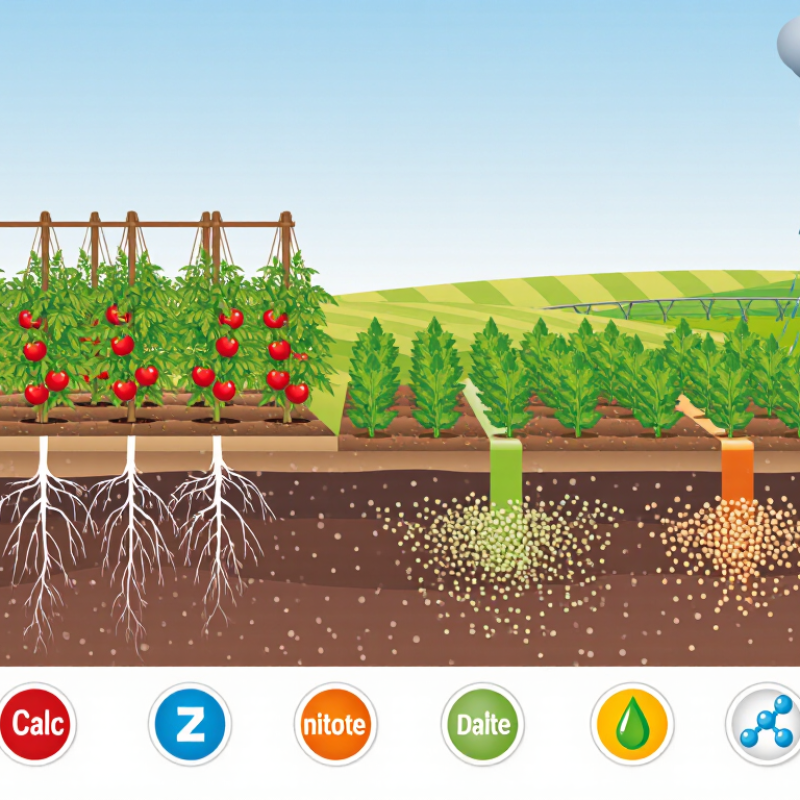
Understanding Nitrate-Based Fertilizers and Their Nutrient Forms
Nitrate-based fertilizers supply nitrogen as nitrate (NO₃⁻), either alone or alongside ammonium. Nitrate is immediately available to roots, but it moves easily with water. After heavy rain, sandy soil can lose nitrate below the root zone. Timing matters. Ammonium nitrate supplies both forms; standard grades commonly contain roughly equal shares of nitrate-N and ammonium-N. Calcium nitrate also supplies calcium, while potassium nitrate supplies potassium. Check the guaranteed analysis: nutrient percentages and forms vary by product.
These pairings matter in the field. A crop needing calcium may benefit from calcium nitrate, while potassium nitrate can suit crops with a concurrent potassium demand. They are not interchangeable. Soil tests, crop stage, irrigation, and local recommendations should guide the choice. The IPCC’s 2019 Refinement to the 2006 Guidelines gives a default direct emission factor of 1% for nitrous oxide-N from synthetic nitrogen inputs to managed soils. This is an inventory estimate, not a prediction for an individual field. Still, it is a useful reminder: excess nitrogen carries environmental costs.
Match the form to the soil and weather. On a rainy week, split applications may reduce the amount exposed to leaching. On light soils, smaller doses can be easier to manage. One detail is easy to miss: nitrate uptake does not guarantee efficient use. Root health and water movement matter, too. I would not choose by the word “nitrate” alone. Check the label, then compare its nutrient forms with the crop’s actual needs.
Assessing Crop Needs, Soil Conditions, and Growing Goals
Choosing a nitrate-based fertilizer starts with the crop, not the bag. Leafy greens often need readily available nitrogen during active growth, while fruiting crops may produce excess leaves when nitrogen is overapplied. Check crop-specific guidance and growth stage. Timing matters.
Soil conditions change the decision. A recent soil test can reveal existing nitrate, pH, and other nutrient levels. Nitrate moves easily with water. On sandy beds or during rainy periods, smaller, well-timed applications may reduce losses. Heavy clay drains differently, so check soil moisture and avoid applying before a storm. Plant color can offer clues, but pale leaves alone do not confirm nitrogen deficiency; damaged roots, pests, or cold soil can look similar. Easy to miss.
Your growing goal matters too: early growth, steady harvests, or reduced nutrient loss may call for different rates and timing. Match the product label to test results and local crop recommendations, then measure the area instead of guessing by handful. Keep notes on application dates, rainfall, and crop response. My own field notes are never perfect; memory tends to tidy up the season. Recheck plants afterward, and adjust only when evidence supports it.
Comparing Fertilizer Types and Formulations
Nitrate-based fertilizers supply nitrogen in a form plants can absorb quickly, but products differ in accompanying nutrients and formulation. Calcium nitrate adds calcium, which can help when crops need both nutrients or soil tests show low calcium. Potassium nitrate pairs nitrogen with potassium, often suiting fruiting crops. Ammonium nitrate supplies nitrogen in both nitrate and ammonium forms, whose availability can shift with soil conditions. Small differences matter.
Compare the guaranteed analysis, not just the product name. A 15-0-0 calcium nitrate and a 13-0-46 potassium nitrate serve different purposes, despite both supplying nitrate nitrogen. Check solubility and physical form too. Prills spread readily across beds; fully soluble grades are easier to meter through drip lines. For fertigation, confirm the product dissolves cleanly and remains compatible with other inputs. Cloudy tanks or sediment can signal trouble.
Choose application rates using soil or tissue tests and crop demand, rather than repeating last season’s schedule. Nitrate moves with water, so heavy irrigation or rain can carry nitrogen below shallow roots. Keep records of application dates, rates, and crop response. Comparisons remain imperfect when weather and field conditions change midseason. Adjust cautiously, then observe leaf color and growth before making another application.
How to Choose the Right Nitrate-Based Fertilizer
Compare typical nitrogen content across common nitrate fertilizer formulations.
How to use this comparison: Ammonium nitrate and calcium ammonium nitrate provide more nitrogen per unit of product. Calcium nitrate and potassium nitrate supply additional nutrients—calcium and potassium, respectively. Choose a formulation based on crop needs and soil test results; actual guaranteed analyses can vary, so check the product label.
Choosing Application Rates and Timing
Application rate should begin with a soil test, not a calendar habit. Nitrate moves readily with water, so excess fertilizer can leave the root zone after heavy rain. Use the crop’s nutrient recommendation, expected yield, and nitrate already measured in soil or irrigation water. A rough visual check is not enough. Keep test results and field history together; they help explain rate choices and guide adjustments.
Timing matters too. Apply nitrate when the crop can use it, rather than far ahead of rapid growth. Where practical, split the planned amount across key growth stages. This can reduce the time nitrate sits unused in the soil. Check the weather forecast, and avoid applying before intense rain or onto saturated ground. Small details matter.
Field conditions can complicate even a careful plan. A cool spring may slow uptake; irrigation can move nitrate deeper than expected. Recheck crop growth and local guidance before making later applications. Record the date, rate, rainfall, and field response. The record may reveal a pattern, though one season rarely tells the whole story. If crop needs or soil results are uncertain, get advice from a qualified local agronomist.
Reviewing Safety, Storage, and Environmental Impacts
Choosing a nitrate-based fertilizer involves more than comparing the nutrient analysis. Read the label and safety data sheet, and match the product to the crop and soil test. Nitrate salts can support rapid nitrogen uptake, but they dissolve readily in water. That mobility matters. Wear gloves and eye protection when handling dusty material, and wash your hands before eating.
Keep it dry. Store fertilizer in its original, clearly labeled container, in a cool, ventilated place away from heat, fuels, oils, and animal feed. Close containers after use; moisture can cause caking and make measured application less consistent. Keep bags off damp floors and inspect them for tears. Follow label directions when cleaning up spills, and prevent material from reaching drains.
Small spills matter. In fields, apply only the amount supported by crop needs and local guidance, and avoid spreading before heavy rain. Excess nitrate may leach into groundwater or enter streams, where added nutrients can encourage harmful algal growth. Buffer strips and careful timing can reduce losses, though neither guarantees protection. It is easy to overestimate what a buffer can fix.


Share On: