

Blog

Signature Lawn and Landscape LLC

What Is a Blow Up Slide Rental and How Does It Work?

What Is a Blow Up Slide Rental and How Does It Work? This guide explains the equipment, rental process, setup, and safety details behind this popular event attraction. A Blow Up Slide Rental usually includes a commercial inflatable slide, an electric air blower, safety mats, anchoring equipment, and delivery service. The blower keeps the structure firm while guests climb and slide.

According to Rachel Bennett, an event-rental operations consultant, “A successful inflatable rental depends on preparation, not just excitement.” Her point matters. Staff must inspect the surface, check weather conditions, confirm power access, and keep the entrance clear. A grass lawn may work well, but uneven ground, sharp stones, or nearby branches can create problems. Small details matter.

The rental company typically delivers the slide, positions it, secures it, and explains operating rules. Customers should ask about cleaning procedures, weight limits, age ranges, supervision, cancellation terms, and setup space. Some packages look simple online. They are not always simple in practice.

A responsible operator remains nearby.

This article also considers what can go wrong. Wind may delay setup. A narrow gate may block delivery. An outdoor outlet may be unavailable. Thinking through these issues early makes the experience smoother and more dependable. You will learn how a Blow Up Slide Rental works from booking to breakdown, with practical details for families, schools, community events, and private celebrations.
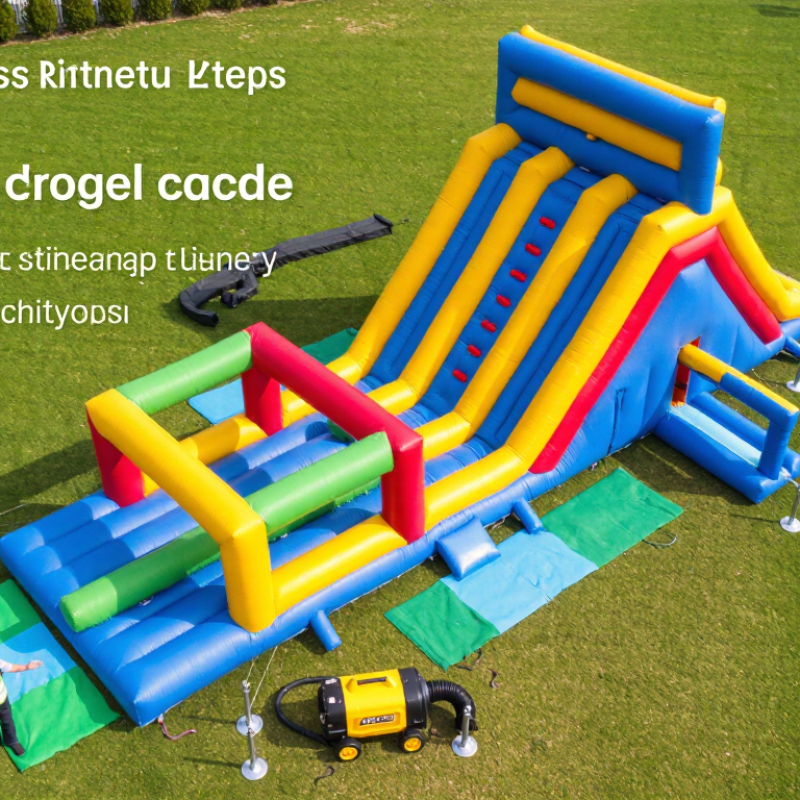
What Is a Blow Up Slide Rental and How Does It Work?

What Is a Blow Up Slide Rental?

A blow up slide rental is a temporary inflatable slide delivered to a home, school, or event site. The unit arrives folded, then expands through a commercial air blower. Strong anchor points keep it positioned during use. Most rentals include delivery, setup, safety instructions, and collection after the event.

The renter usually chooses a slide by height, age range, surface type, and available space. A trained crew should inspect the ground, remove sharp objects, install anchors, and check the blower before opening. The U.S. Consumer Product Safety Commission reported an estimated 113,272 emergency-department injuries involving inflatable amusement devices from 2003 to 2013. That figure is not rental-specific, but it shows why setup matters. ASTM F2374 also provides safety guidance for inflatable amusement devices, including anchoring, supervision, and operating conditions. A slide can look secure and still need checking.

Tips: Measure the full operating area, not only the slide footprint. Leave room for entry, exit, and airflow equipment. Keep children within the stated height and weight limits. One age group at a time often works better. Stop operation during strong wind or rain. Ask about cleaning records, inspection procedures, and emergency deflation steps. I have found that renters often focus on colorful designs first, but surface condition and supervision deserve equal attention. Mistakes happen when instructions are rushed.

What Equipment and Services Does the Rental Include?

A blow up slide rental usually includes an inflatable slide, an electric air blower, anchoring equipment, and a protective landing mat. Some packages also provide stairs, climbing sections, or a water hose attachment for suitable outdoor models. The exact equipment depends on the slide size, surface, and event location. Ask for the unit’s dimensions before booking. It may need more space than expected.

Delivery and setup are often part of the rental service. Trained staff should inspect the ground, position the slide safely, secure every anchor, and test the blower before guests arrive. They may also return later for removal and cleaning. Check whether delivery fees, setup time, cleaning, and weather policies are included in writing. Do not assume they are.

Safety instructions should come with the equipment. These usually cover age limits, user capacity, height requirements, footwear, and weather restrictions. A responsible provider should inspect seams, steps, handholds, and the blower before use. Keep the electrical connection dry and use the recommended power source. One detail is easy to overlook: a soft lawn does not automatically mean a level lawn. Uneven ground can affect stability. I would also confirm who supervises the slide, because rental staff typically do not provide continuous event supervision.

How Does the Inflatable Slide Setup Process Work?

A blow-up slide rental is a temporary inflatable attraction powered by an electric blower. The setup process begins with choosing level ground, checking overhead clearance, and removing sharp objects. The operator then spreads the slide fully before connecting the blower. This matters because folded fabric can hide tears, weak seams, or trapped debris.

After inflation, the crew checks air pressure, anchor points, steps, climbing areas, and the landing zone. Every anchor should match the surface and manufacturer’s instructions.

The U.S. Consumer Product Safety Commission estimated 113,272 inflatable amusement-device injuries from 2003 to 2013, based on emergency-department data. That figure shows why setup is not a quick delivery task. It requires controlled inspection.

Weather changes the process. The UK Health and Safety Executive advises stopping inflatable use when wind reaches unsafe levels, with guidance commonly referencing 24 mph as a maximum threshold. Operators should monitor conditions, not trust a calm-looking moment.

Staff also explain one-at-a-time sliding, age limits, and safe behavior before opening. The landing mat must stay flat, and loose clothing or shoes may create avoidable risks.

The equipment can look ready before it is truly ready. That is the uncomfortable part. A missed anchor or poorly placed mat may seem minor, yet it can affect the entire experience.

Following ASTM F2374 guidance and documenting inspections improves reliability, although no checklist replaces attentive supervision.

What Factors Affect Rental Options and Pricing?

A blow up slide rental is an inflatable climbing lane and slide delivered to an event site. A commercial blower keeps it firm during use. Rental pricing depends on more than the slide’s height. Size, capacity, setup time, delivery distance, and rental duration usually shape the quote.

A tall slide needs more transport space, anchoring equipment, and trained labor. A two-lane model may cost more because it supports faster guest flow.

Grand View Research valued the global inflatable toys market at about 2.57 billion U.S. dollars in 2023. It also projected continued growth through 2030. That growth can increase equipment choices, but local supply still matters more. A popular weekend date may raise prices sharply.

Weather is another practical factor. NOAA climate data helps operators assess seasonal rain, wind, and heat patterns. Strong wind may require postponement or removal, while wet grass can slow installation.

Delivery fees often rise with distance and difficult access. Stairs, narrow gates, and uneven ground can add labor. The U.S. Bureau of Labor Statistics tracks transportation and service-cost changes, which influence operating expenses over time.

Prices are not perfectly predictable. An estimate can miss a site problem. Ask whether the quote includes delivery, setup, attendants, cleaning, cancellation terms, and safety inspection. A lower price may exclude essential services. Check the details.

How Can Users Operate an Inflatable Slide Safely?

Operating an inflatable slide safely begins before anyone climbs the steps. CPSC staff analysis of NEISS data estimated more than 100,000 injuries involving inflatable amusement devices between 2003 and 2013. The figure covers various inflatables, not slides alone, but it shows why supervision matters. Inspect the vinyl, seams, netting, steps, anchors, and blower before opening. The unit should stand on a clear, level surface. Secure every anchor point. Check that continuous airflow keeps the structure firm.

An attendant should explain the rules in plain language. One rider at a time works best. Separate children by size and age when possible. Remove shoes, sharp objects, loose glasses, and food. Riders should sit and slide feet-first, never climb upward or push others. Follow the rental manual for capacity, height limits, and emergency deflation. ASTM F2374 provides recognized practices for inflatable amusement-device design, operation, and inspection. IAAPA safety guidance also emphasizes trained supervision and documented checks. Stop operation during strong wind, lightning, heavy rain, or unusual movement. Never leave the slide unattended. Not even briefly. A simple checklist helps, although staff can still miss a small tear or loose anchor. That possibility deserves a second inspection, especially after repeated use.