Top 10 Essential Tips for Effective Residential Yard Maintenance
Maintaining a beautiful and healthy residential yard requires attention to detail and consistent effort. As landscape expert Dr. Emily Roberts once stated, "A well-kept yard not only enhances the curb appeal of a home but also positively impacts the overall well-being of the residents." This highlights the importance of effective residential yard maintenance, which transcends mere aesthetics. It involves strategic planning, regular upkeep, and understanding the unique needs of your yard, whether it's choosing the right plants or adhering to seasonal care routines.
In the forthcoming sections, we will explore the top 10 essential tips that can transform your outdoor space into a thriving sanctuary. From soil health to pest management, each tip is curated to equip homeowners with practical knowledge and actionable steps. Embracing these strategies will not only elevate your yard's visual appeal but also ensure it remains a lush, inviting environment for relaxation and recreation. With the right approach to residential yard maintenance, anyone can achieve a vibrant landscape that complements their home beautifully.
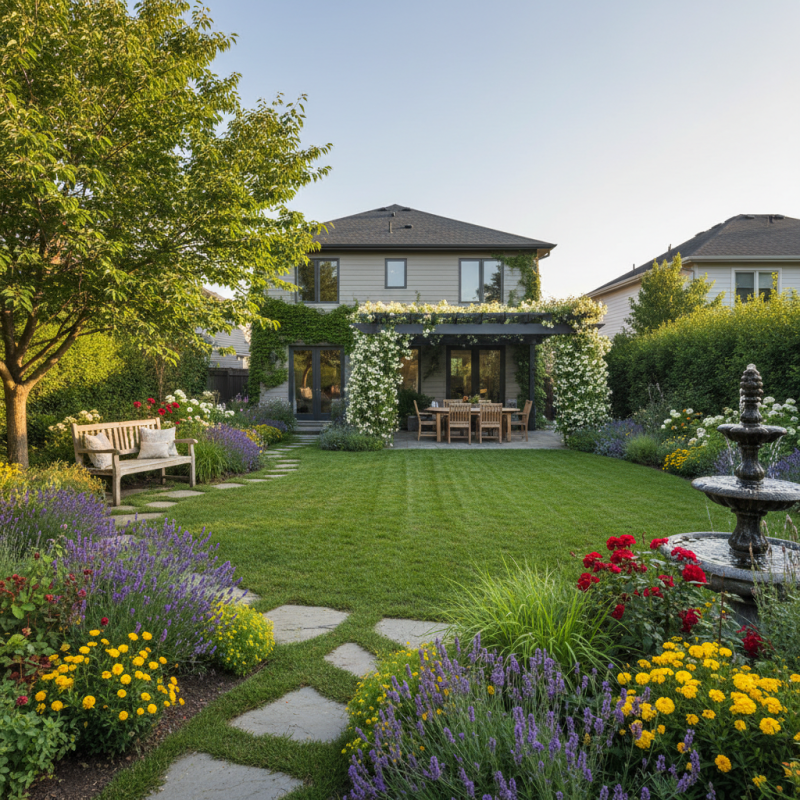
Understanding Your Yard's Unique Ecosystem for Effective Maintenance
Understanding your yard’s unique ecosystem is paramount for effective maintenance. Each yard is a vibrant habitat that hosts various plants, insects, and microorganisms, all interacting to create a delicate balance. Recognizing the specific conditions of your yard—such as soil type, climate, and existing flora—can significantly enhance your maintenance efforts.
One essential tip is to conduct a soil test before implementing any major lawn care strategy. This simple test can reveal nutrient deficiencies and pH levels, allowing you to tailor your fertilization approach accordingly. Another crucial aspect is to observe the natural sunlight patterns throughout your yard. Some plants thrive in full sun, while others prefer partial shade; aligning plant placement with these requirements can promote a healthier landscape.
Additionally, embracing native plants can dramatically simplify yard maintenance. Native plants are well-adapted to local conditions and typically require less water and fertilizer. They also support local wildlife, fostering a balanced ecosystem. By focusing on these principles, you will not only maintain a beautiful yard but also contribute positively to the environment surrounding your home.
Essential Tools and Equipment for Residential Yard Care
When it comes to maintaining a residential yard, having the right tools and equipment is essential for achieving a well-manicured and healthy landscape. Start with basic hand tools such as a sturdy rake, a shovel, and a pair of pruning shears. These items are invaluable for tasks like leveling soil, planting, and trimming back overgrown shrubs or flowers. A quality hose or watering can also plays a crucial role in ensuring that your plants receive adequate hydration, especially during dry spells.
In addition to hand tools, consider investing in power equipment to make larger tasks more manageable. A reliable lawn mower is a must for keeping your grass at an optimal length, while a leaf blower or vacuum can save time during the fall months when leaves tend to accumulate. For those looking to maintain flower beds or vegetable gardens, a tiller can help cultivate the soil more efficiently.
Having these essential tools at your disposal not only streamlines your yard maintenance routine but also enhances the overall aesthetic and health of your outdoor space.
Seasonal Yard Maintenance: Key Tasks for Each Season
Seasonal yard maintenance is crucial for keeping your residential landscape healthy and vibrant throughout the year. In spring, focus on cleaning up any debris left over from winter, such as fallen branches and dead leaves. This is also the perfect time for aerating your lawn and applying fertilizers to promote healthy growth. Pruning any overgrown shrubs and planting new flowers can add a refreshing look to your yard. Additionally, early spring is ideal for starting a vegetable garden, allowing you to enjoy homegrown produce later in the season.
As summer progresses, the main tasks involve regular mowing, watering, and weed control. Your lawn may require more frequent mowing to maintain its health and appearance during this warmer weather. Keep an eye on flowerbeds as well, ensuring they receive enough water, especially in dry spells. It's also wise to check for pests that may harm your plants and take necessary measures to control them. In late summer, begin preparing for fall by deadheading flowers and adding compost to your garden beds.
When fall arrives, the focus shifts to cleanup and preparation for winter. Raking leaves is essential to prevent mold and lawn diseases. This is the time to plant any perennials and bulbs that will bloom in spring, as well as set up protective measures for tender plants. As the air cools, make sure to adjust your watering schedule accordingly and prepare your tools and equipment for storage. The end of the season also brings an opportunity to review your yard's performance and make plans for any improvements needed for the upcoming year.
Watering Techniques and Schedules for Healthy Lawn and Plants
When it comes to effective residential yard maintenance, proper watering techniques and schedules are crucial for promoting a healthy lawn and thriving plants. One of the key elements is to water deeply but infrequently. This encourages the roots of your grass and plants to grow deeper into the soil, enabling them to access moisture more effectively. Aim to water your yard about once a week, adjusting based on weather conditions, to ensure your lawn and plants receive about 1 to 1.5 inches of water in total.
Another essential tip is to consider the time of day you water. Early morning is the ideal time, as it allows the water to soak into the soil before the sun's heat can cause evaporation. Watering in the evening can lead to fungal diseases due to prolonged moisture on foliage, while midday watering might waste water due to evaporation. Also, using a soaker hose or a drip irrigation system can improve efficiency by targeting the roots directly. By implementing these techniques, you can maintain a vibrant yard while conserving water.
Top 10 Essential Tips for Effective Residential Yard Maintenance - Watering Techniques and Schedules for Healthy Lawn and Plants
| Tip No. |
Watering Technique |
Frequency |
Optimal Time |
Recommended Duration |
| 1 |
Deep Watering |
Once a week |
Early morning |
30-45 minutes |
| 2 |
Soaker Hose |
Twice a week |
Late evening |
60 minutes |
| 3 |
Drip Irrigation |
Every 2-3 days |
Early morning |
30 minutes |
| 4 |
Sprinkler System |
Once every 5-7 days |
Morning or evening |
20-30 minutes |
| 5 |
Rainwater Harvesting |
As needed |
N/A |
N/A |
| 6 |
Container Watering |
Daily |
Morning |
5-10 minutes |
| 7 |
Mulching |
As needed |
N/A |
N/A |
| 8 |
Aeration |
Twice a year |
Spring and fall |
N/A |
| 9 |
Soil Testing |
Annually |
Any time |
N/A |
| 10 |
Using Native Plants |
Varies |
N/A |
N/A |
Common Pests and Diseases: Prevention and Management Strategies
Maintaining a healthy residential yard requires vigilance against common pests and diseases that can threaten your plants and landscaping. One effective prevention strategy is to regularly inspect your yard for any signs of infestation or disease. Early detection allows for prompt intervention, which can save you time, effort, and potentially damage to your plants. Familiarizing yourself with the most prevalent pests, such as aphids, spider mites, and whiteflies, as well as diseases like powdery mildew and root rot, will enable you to act quickly when issues arise.
In addition to observation, implementing cultural practices can significantly reduce the likelihood of pest and disease problems. Crop rotation, proper watering techniques, and maintaining healthy soil can create an environment that is less hospitable to harmful organisms. Furthermore, introducing beneficial insects, such as ladybugs or predatory wasps, can help keep pest populations in check naturally. Regularly practicing these strategies ensures that your yard remains vibrant and resilient, minimizing the need for chemical interventions while promoting a sustainable ecosystem.
Top 10 Common Pests and Diseases in Residential Yards
This chart illustrates the prevalence of common pests and diseases encountered in residential yard maintenance, along with tips for prevention and management strategies.




Share On: