Essential Tips for Choosing Food-Grade Packaging?
Choosing the right Food-Grade Packaging is crucial for food safety and quality. Experts in the industry stress its importance. Jack Thompson, a leading figure in food packaging, once stated, "The right packaging protects food and enhances its shelf life." This highlights a vital consideration for manufacturers.
Food-Grade Packaging must meet specific standards to avoid contamination. Materials like polyethylene and polypropylene are often preferred due to their safety. However, not all products are created equal. It’s essential to research and ensure compliance with food safety regulations.
In today's market, sustainable options are also emerging. Biodegradable and eco-friendly packaging solutions are gaining popularity. However, they often come with challenges regarding durability and cost. Consumers demand safer, greener choices, but balancing these factors can be tricky. Evaluate your options carefully, keeping in mind the packaging's role in consumer protection and product integrity.
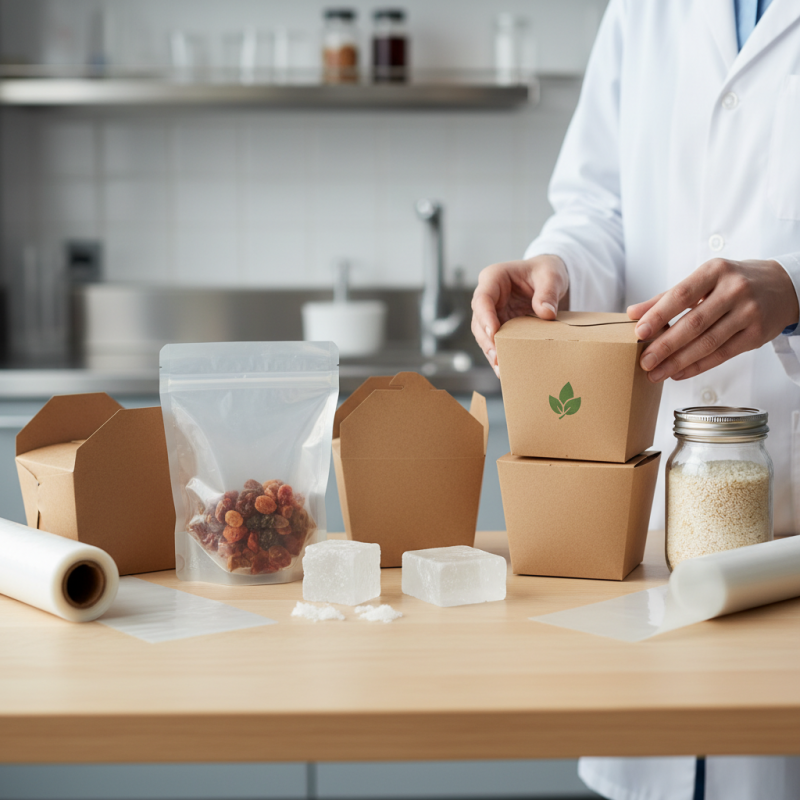
Understanding Food-Grade Packaging: Definitions and Standards
Food-grade packaging is essential for maintaining food safety and quality. According to the U.S. Food and Drug Administration (FDA), materials used for food packaging must meet strict health standards. These regulations ensure that no harmful substances leach into food products. For example, packaging materials should be non-toxic and compliant with specific safety thresholds. In 2020, the global food packaging market was valued at over $300 billion, reflecting the high demand for safe packaging solutions.
Standards for food-grade packaging include various certifications. The ISO 22000 standard outlines requirements for food safety management systems. It helps businesses identify risks associated with packaging materials. Many companies may overlook these standards, leading to potential safety issues. Reports indicate that up to 10% of packaged food products may have packaging that does not meet safety criteria. That's a significant risk, and food producers must evaluate their suppliers carefully.
Additionally, the choice of materials can affect the shelf life of food. Using biodegradable or recyclable materials is a growing trend. However, these options must also adhere to safety regulations. There is confusion in the market about what constitutes safe packaging. Consumers are often unaware of these issues. This gap highlights a need for greater transparency and education in the food packaging industry.
Key Materials Used in Food-Grade Packaging and Their Properties
Choosing the right food-grade packaging is crucial. Various materials offer distinct properties. Common options include plastics, glass, and aluminum. Each has its own benefits and challenges.
Plastic is versatile and lightweight. According to the Flexible Packaging Association, over 40% of food packaging uses flexible plastic. It helps extend shelf life, but risks leaching harmful chemicals. Make sure to choose BPA-free options.
Glass is inert and recyclable. It doesn’t alter food flavor. However, it’s heavier and more fragile. Analyze shipping costs versus safety. Aluminum is lightweight and protects against light and moisture. However, be aware of its environmental impact.
Tip:
Always assess food interaction with selected materials. Some might react adversely. Ensure compliance with safety standards. Packaging should preserve food integrity. When unsure, consult experts for guidance. The right choice influences quality and safety significantly.
Importance of Compliance with Food Safety Regulations
When selecting food-grade packaging, compliance with food safety regulations is crucial. These regulations ensure that materials used are safe for food contact. Choosing the right packaging can prevent contamination and maintain food quality.
Consider the materials used in packaging. They should be approved for food use and must not leach harmful substances into the food. For instance, plastics can vary widely in safety. Some may release chemicals when in contact with certain foods. Always check for certifications that guarantee safety.
Moreover, consider storage conditions. Packaging must withstand temperature changes without degrading. This is especially important for perishable goods. It’s a common mistake to overlook the importance of proper seals. A weak seal can lead to compromised food safety. Reflection on these details can enhance your packaging decisions.
Evaluating the Sustainability of Food-Grade Packaging Options
When evaluating the sustainability of food-grade packaging options, it is essential to consider several factors. Biodegradable materials often come to mind. They break down faster than traditional plastics. However, not all biodegradable options are created equal. Some still release harmful substances as they decompose.
Recyclability is another critical factor. Many materials can be recycled, but sometimes the process can be inefficient. It’s important to confirm what local facilities accept. For instance, certain plastics might not be recyclable in your area. This limits their sustainability. On the other hand, glass and metal are recyclable and often a better choice. They have a longer lifecycle.
Finally, sourcing is crucial. Where the material comes from affects its sustainability. Local sourcing typically reduces carbon footprints. Yet, some sustainable materials require extensive processing, which may negate their benefits. It’s important to think critically about the entire lifecycle of packaging. Making informed choices leads to better environmental outcomes.
Essential Tips for Choosing Food-Grade Packaging: Evaluating the Sustainability of Food-Grade Packaging Options
This chart illustrates the sustainability evaluation of various food-grade packaging options based on their environmental impact, recyclability, and renewable materials used.
Consumer Considerations: Safety, Freshness, and Environmental Impact
When selecting food-grade packaging, consumer considerations are crucial. Safety is paramount. According to a report by the Food Packaging Institute, approximately 25% of food recalls are due to packaging issues. This highlights the importance of selecting materials that are non-toxic and FDA-approved. Contaminants from poor-quality packaging can seep into food, posing health risks.
Freshness is another critical factor. Packaging should preserve food quality during transport and storage. Research from the Institute of Food Technologists suggests that modified atmosphere packaging can extend the shelf life of fresh produce by up to 50%. Look for packaging that has airtight seals and moisture barriers.
**Tip:** Always check for certifications on packaging materials. Not all packaging options are created equal.
Environmental impact also matters. The global demand for sustainable packaging is growing. A recent survey by Euromonitor International found that 62% of consumers prioritize eco-friendly options. Consider biodegradable or recyclable materials. The right choice can reduce your carbon footprint.
**Tip:** Explore local suppliers for sustainable packaging solutions. Supporting local reduces transportation emissions.
Making informed decisions will enhance safety, preserve freshness, and support environmental sustainability. Balancing these factors can be challenging but is essential for conscious consumerism.


Share On: