How to Effectively Maintain Your Residential Yard?
Maintaining a residential yard is crucial for creating a welcoming home environment. A well-kept yard adds beauty and value to your property. Yet, many homeowners overlook effective residential yard maintenance.
Consider the elements that contribute to a vibrant yard. Regular mowing, weeding, and watering are essential. However, it can be challenging to stay consistent. Some may struggle with time management or lack the right tools. Others may plant flowers but forget to care for them. This disconnect can lead to an uninspiring space.
Reflect on the importance of maintenance. A neglected yard can quickly become overgrown and uninviting. With a little effort and planning, your yard can flourish. Dive into the art of residential yard maintenance and reclaim your outdoor space.
Understanding the Basics of Yard Maintenance
Yard maintenance is essential for a healthy home landscape. Understanding the basics can save time and effort. Start by focusing on your lawn. Regular mowing keeps the grass tidy and promotes growth. Aim for a height of about three inches. This height protects the roots and retains moisture.
Watering is another critical aspect. Aim to water early in the morning. It allows the grass to absorb water before the heat of the day. Pay attention to rainfall. Sometimes, we forget to adjust our schedules based on natural conditions. This leads to overwatering, which can harm the grass.
Weeds can be persistent. Hand-pulling weeds can be effective, but it's often overlooked. Chemical solutions can be tempting, but they may harm the environment. Consider creating a compost area. It not only reduces waste but also enriches your soil. Acknowledging these simple tasks helps create a beautiful yard. It's easy to ignore them, yet they require reflection and consistent effort.
How to Effectively Maintain Your Residential Yard?
This chart illustrates the typical hours spent on various yard maintenance activities each month. Regular maintenance tasks such as mowing and watering are essential for a healthy yard, while activities like weeding and pruning contribute to overall yard aesthetics.
Establishing a Regular Mowing Schedule
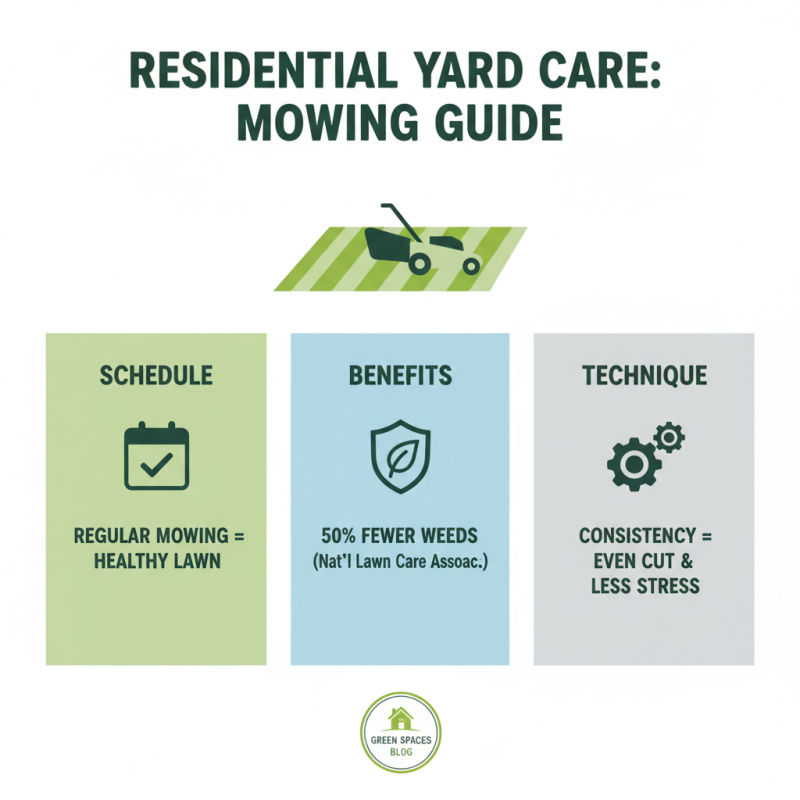
Maintaining a residential yard requires careful attention, particularly when it comes to mowing. Establishing a regular mowing schedule helps keep your lawn healthy and vibrant. According to the National Lawn Care Association, well-mowed lawns can reduce weeds by up to 50%. Consistency is key; it leads to a more even cut and minimizes stress on the grass.
Tip: Aim to mow when the grass is dry. Wet grass clippings can clump and lead to uneven patches. A common mistake is mowing too short. Cutting grass too short stresses it, leading to brown patches. Instead, aim for a height between 2.5 to 4 inches, depending on the grass type.
Another point to consider is seasonal adjustments. Mowing frequency may decrease in cooler months. During peak growing seasons, you may need to mow weekly. Keep a close watch on growth rates. The ideal mowing height and intervals can vary by region. Observing changes allows for better lawn care decisions. Sadly, not all homeowners adapt their schedules, and this can lead to a less-than-ideal yard. Regularly reassess your mowing routine for the best results.
Irrigation: Watering Your Yard Efficiently
Watering your yard efficiently is crucial. Proper irrigation helps maintain healthy plants and a lush lawn. It is essential to know when and how much to water. Early morning is often the best time to water. This reduces evaporation. You want the water to reach the roots.
Consider using a drip irrigation system. This targets roots directly. Many people overlook this option. They rely on overhead sprinklers, which waste water. A specific goal can help you manage water more effectively. Aim for about one inch of water weekly. Measure rainfall to adjust your schedule.
Be mindful of weather changes. Too much rain can lead to overwatering. Observe your yard’s condition. Some areas may remain soggy while others dry out quickly. Adjust your irrigation accordingly. Regularly check your system for leaks too. These small details can make a big difference. Remember, it's all about balance.
Weed Control Techniques for a Healthy Lawn
Weeds are a common problem in residential yards. They compete with grass and plants for nutrients and water. Managing weeds is essential for a healthy lawn. One effective technique is manual removal. Pulling weeds by hand may seem tedious, but it's often the most reliable method. Make sure to remove the entire root to prevent regrowth. Alternatively, use a hoe or a weeding tool for stubborn weeds. These methods require some effort but can be satisfying.
Another approach is mulching. Applying a thick layer of mulch can suffocate weed seeds. Organic mulches, like wood chips, not only prevent weeds but also enhance soil health. It’s crucial to replenish mulch regularly since it degrades over time. However, sometimes people forget this essential task, allowing weeds to take over unexpectedly.
Lastly, preventing weed growth starts with proper lawn care. Healthy grass will naturally crowd out weeds. Regular mowing and watering help maintain robust grass. Yet, many homeowners neglect this routine. They may mow infrequently or water incorrectly. By assessing your lawn care habits, you can improve your yard's health and prevent weeds from gaining a foothold.
How to Effectively Maintain Your Residential Yard? - Weed Control Techniques for a Healthy Lawn
| Technique |
Description |
Effectiveness |
Recommended Frequency |
| Hand Weeding |
Manual removal of weeds from the roots. |
Very effective for small areas. |
Weekly |
| Mulching |
Applying a layer of material to suppress weed growth. |
Highly effective for moisture retention and weed control. |
Every season |
| Herbicides |
Chemical solutions designed to control weeds. |
Effective, but should be used cautiously. |
As needed |
| Aeration |
Creating holes in the soil to improve oxygen flow. |
Helps grass grow strong and can reduce weeds. |
Annually |
| Overseeding |
Adding grass seed to existing lawn to thicken it. |
Helps outcompete weeds. |
Every 2 years |
Seasonal Tasks for Optimal Yard Health
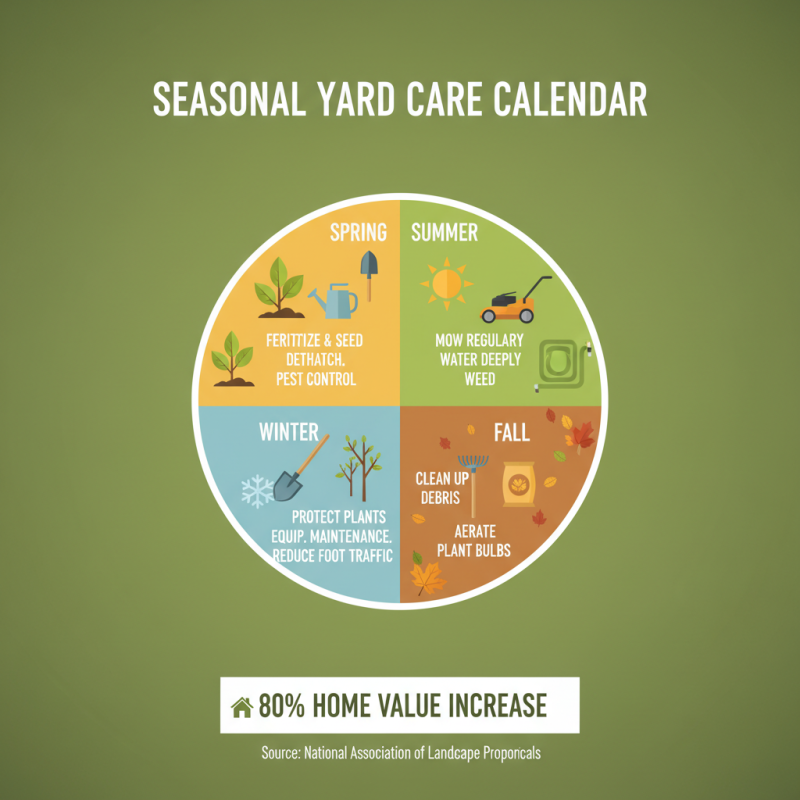
Maintaining a healthy yard requires attention to seasonal tasks. Each season presents unique challenges and opportunities. According to the National Association of Landscape Professionals, 80% of homeowners feel their outdoor spaces increase their home value. But neglect can lead to diminished returns.
In spring, focus on soil health. Testing the pH can reveal if your soil is acidic or alkaline. Spring is an ideal time for fertilization. Just remember, too much nitrogen can lead to lawn burn. Aerating can also improve oxygen flow. Healthy grass absorbs nutrients better and grows denser.
During summer, watering is crucial but often misunderstood. Aim for deep watering to encourage root growth. Aim for about one inch of water weekly. However, overwatering can suffocate roots. Autumn tasks shift to preparation. Raking leaves is essential to prevent mold growth. A recent study indicates that lawns with regular leaf removal experience 15% less disease. Lastly, don't forget to mulch. It retains moisture and regulates temperature. Seasonal tasks matter significantly for yard health. Make the effort count.






Share On: