| Product Type | Define the intended brassiere construction | Wireless or underwire; lined, unlined, lightly padded, or molded cups; everyday, occasion, or lingerie use | Construction matches the approved technical sketch and sample | Critical | Review a detailed specification sheet, pattern, and pre-production sample |
| Size Range | Set the required size and cup range | Example: band sizes 32–40 with cup sizes B–DD, or an equivalent regional size system | Measurement chart includes underbust, bust, cup depth, strap position, and tolerances | Critical | Check graded patterns and measure samples from each size group |
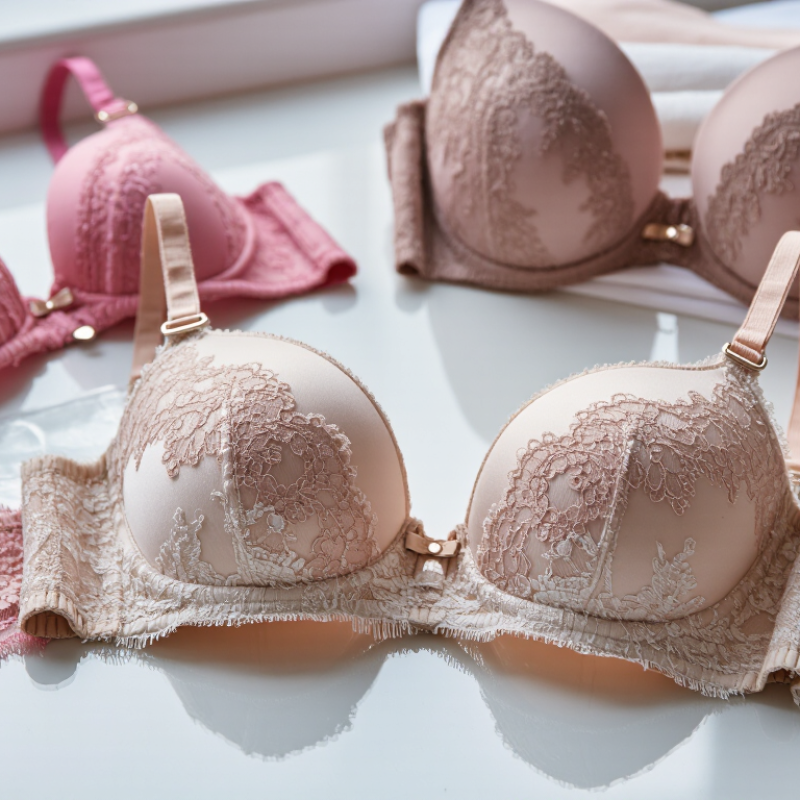
| Lace Material | Specify lace construction, hand feel, and visual effect | Stretch lace for flexible fit; non-stretch lace for stable panels; define fiber content, motif, width, and color | Lace pattern, color, elasticity, softness, and width match the approved standard | Critical | Request lab dips, lace swatches, fiber details, and a signed reference sample |
| Fiber Composition | Control comfort, stretch, recovery, and care performance | Record the percentage of polyamide, polyester, elastane, cotton, or other fibers for every component | Composition is consistent with the approved material declaration and applicable labeling rules | High | Review fiber test reports, material declarations, and care-label information |
| Support and Fit | Define the desired support level and fit profile | Light, medium, or firm support; specify cup coverage, neckline height, bridge width, and side support | No cup gaping, excessive compression, wire discomfort, or visible distortion during wear testing | Critical | Conduct fit trials on representative body sizes and record wearer feedback |
| Underwire and Hardware | Specify the type and performance of structural components | Define wire shape, wire length, channel width, hook-and-eye count, adjusters, sliders, and coating requirements | Hardware is smooth, secure, corrosion-resistant, correctly positioned, and free from sharp edges | Critical | Inspect hardware samples and perform repeated fastening, flexing, and corrosion checks |
| Elastic Performance | Set stretch and recovery requirements for bands and straps | Define elastic width, stretch percentage, recovery after repeated extension, and placement by component | Elastic returns to shape without rolling, twisting, excessive pressure, or permanent deformation | High | Review stretch and recovery test results before and after laundering |
| Seam and Stitching | Define construction quality and skin-comfort requirements | Specify seam type, stitch density, thread type, seam allowance, bartacks, and clean-finish details | Stitches are even and secure, with no skipped stitches, open seams, loose threads, or abrasive edges | High | Use an approved workmanship sample and conduct in-line and final inspections |
| Color and Appearance | Control shade consistency and decorative alignment | Define color reference, allowable shade variation, lace motif alignment, transparency, and decorative placement | Panels are visually balanced; lace motifs align with the approved sample and show no stains or discoloration | High | Approve color standards and inspect garments under consistent lighting conditions |
| Colorfastness and Durability | Ensure the product remains attractive after normal care | Test washing, perspiration, rubbing, and light exposure according to the target-market test protocol | No unacceptable bleeding, fading, pilling, lace damage, seam failure, or loss of support after testing | Critical | Request independent laboratory reports and review test conditions and results |
| Safety and Chemical Compliance | Define restricted-substance and consumer-safety expectations | Specify compliance with the laws and chemical restrictions applicable to the destination market | Materials and finished products meet documented safety requirements, with traceable test records | Critical | Request current third-party testing, material traceability, and compliance declarations |
| Care Instructions | Select care requirements suitable for lace and elastic components | Typically specify gentle washing, low-temperature care, no chlorine bleach, and air drying where appropriate | Care label is accurate and the product retains fit, color, lace appearance, and hardware function after recommended care | High | Compare care-label instructions with laundering test results |
| Packaging | Protect the brassiere during storage and transportation | Define folding method, protective inserts, individual packaging, carton quantity, labeling, and moisture protection | Products arrive clean, dry, correctly labeled, and free from crushed cups, snagging, or hardware damage | Medium | Approve packaging samples and conduct carton drop or transportation simulation checks |
| Order and Production Capability | Match the supplier’s capacity to the order plan | Confirm minimum order quantity, sample lead time, production lead time, monthly capacity, and reorder flexibility | Supplier provides a realistic schedule and maintains consistent quality across repeat orders | High | Review capacity records, production calendar, quality-control procedures, and trial-order performance |
| Quality-Control Plan | Establish measurable inspection procedures | Define measurement tolerances, defect classification, inspection stages, sampling method, and corrective-action process | Inspection records are complete, defects are traceable, and corrective actions are documented before shipment | Critical | Audit inspection reports, production samples, measurement tools, and defect records |


Share On: