

Blog

Signature Lawn and Landscape LLC

7 Tips for Choosing the Best UV Protection Golf Umbrella

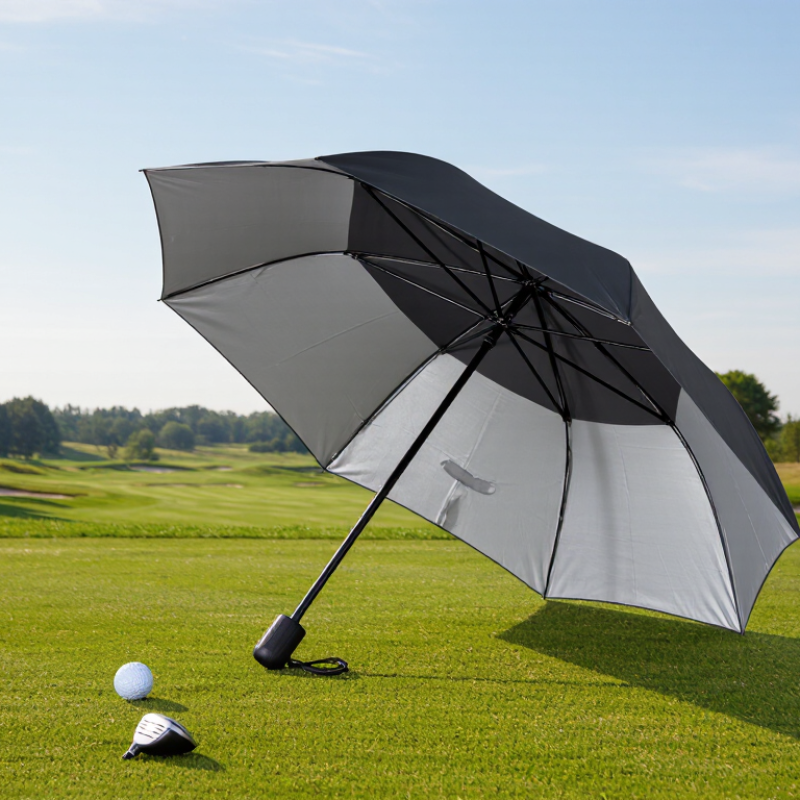
On a sunny fairway, glare can hide more than a missed putt. Ultraviolet exposure also matters, even when clouds soften the light. The World Health Organization recommends sun-protection measures when the UV Index reaches 3 or higher. For golfers, a well-chosen UV Protection Golf Umbrella can add shade during long rounds, but canopy size, fabric, and handling all affect its usefulness.

Fabric ratings offer a helpful starting point. Australia’s ARPANSA explains that UPF 50+ fabric blocks at least 98% of UV radiation under test conditions. That figure describes rated material, not every umbrella sold as “UV-blocking.” Check for a stated UPF rating, a generous canopy, sturdy ribs, and a comfortable grip. Wind resistance matters, too. A broad canopy is less helpful if a gust turns it inside out beside the fourth tee. Photodermatologist Dr. Henry Lim’s work supports a layered approach to sun protection; an umbrella should complement, not replace, protective clothing and sunscreen. No single feature tells the whole story.

This guide presents seven practical tips for comparing umbrellas, from verified fabric ratings to portability and durability. Some trade-offs are unavoidable: larger canopies provide more shade but can feel awkward in wind. The right choice depends on your course, climate, and habits. Check the details, then choose what you will actually carry.
7 Tips for Choosing the Best UV Protection Golf Umbrella

Understanding UV Ratings and Sun Protection

An umbrella’s UV rating tells you how well its canopy reduces ultraviolet exposure. Look for a UPF rating, which measures how much UV radiation passes through fabric under test conditions. UPF 50 allows about 1/50 of the tested UV radiation through. That is strong protection, but it does not mean complete protection. Check the care and testing details on the product label, since rating methods can vary.

Tips: Choose a clearly stated UPF rating, preferably UPF 50 or higher. Check that the canopy is wide enough to shade your shoulders and arms. Dark, tightly woven fabric may help, but color alone cannot confirm protection. Look for the rating.

Sunlight can reach you from the sides, especially on a bright course with pale sand or pavement nearby. Hold the umbrella at an angle when the sun shifts, and use sunscreen and protective clothing for uncovered areas. A canopy may also lose coverage if it is stretched, damaged, or held too high. The rating is useful, but I would not treat it as a guarantee in every condition. A quick label check matters.

Choosing the Right Canopy Size and Coverage

Canopy size is about useful shade, not just a large number on a product page. Check the open canopy’s stated diameter and how that measurement is taken; sizing descriptions can vary. For one golfer, the canopy should cover the shoulders and leave room for a golf bag without forcing the umbrella to sit uncomfortably high. Try picturing it over your usual stance. Does it shade your face and arms when the sun is slightly off to one side? A broad canopy can help, but extra width may feel awkward to carry between shots. Bigger is not always better.

Consider the height and shape, too. A steep or shallow canopy can change how much of your body stays shaded as the sun moves. Wind changes things. A wide umbrella may catch gusts, so look for a design you can hold steadily and use safely in changing weather. Check that the fabric has a clearly stated UV-protection rating; size alone does not block UV rays. Reflected sunlight can still reach exposed skin. At home, open the umbrella beside your bag and stand beneath it. It’s a simple test, though not perfect. Recheck the coverage from a few angles before deciding.

Evaluating Fabric, Frame, and Wind Resistance

A useful UV-protection umbrella starts with its canopy. Look for a stated UPF rating supported by testing, rather than relying on color alone. Check the fabric’s weave, too: a tight weave can block more sunlight than a thin, loosely woven canopy. Check the label. Seams and stitched edges should look even, without loose threads or gaps. A small detail, but worth noticing.

The frame matters when you carry the umbrella across a course. Fiberglass ribs can flex in gusts, while steel parts may feel sturdier but add weight. Neither material guarantees durability by itself. Open and close the umbrella a few times; the shaft should feel steady, and the joints should not wobble. I would not judge a frame by its thickness alone. Hinges can be the weak point.

For wind resistance, look for a vented canopy that lets some air pass through, reducing the chance of the umbrella turning inside out. The handle should stay secure in a damp hand, and the canopy should lock firmly when opened. Ask whether any wind-resistance claim comes from a stated test; conditions vary, so treat broad claims cautiously. Even a well-built umbrella is not meant for severe gusts. When the wind picks up, folding it away may be the sensible choice.

7 Tips for Choosing the Best UV Protection Golf Umbrella - Evaluating Fabric, Frame, and Wind Resistance
Tip What to Evaluate What to Look For Why It Matters
1. Check the UV protection rating Fabric label or product specifications Look for a stated UPF rating. UPF 50 or 50+ indicates that the fabric allows no more than about 1/50 of UV radiation to pass through under the test conditions. A stated rating gives a more useful indication of fabric protection than color or appearance alone. An umbrella does not protect skin from reflected or side-on sunlight.
2. Assess the canopy fabric Weave, coverage, and construction Choose tightly woven fabric with a UV rating and a durable, water-resistant finish. Check that the canopy covers the golfer and golf bag adequately. Fabric construction and canopy coverage affect how much direct sunlight is screened. Water resistance is useful in rain but does not, by itself, prove UV protection.
3. Compare canopy size carefully Open diameter and measurement method Check the stated open diameter and confirm whether it is measured across the canopy or along its curved arc. Consider enough coverage for both the user and equipment. Umbrella sizes can be reported using different measurements, so two similar-looking figures may not describe the same usable coverage.
4. Choose a frame suited to your needs Shaft and rib materials Fiberglass ribs can flex, aluminum is relatively lightweight, and steel is generally sturdy but may add weight. Check the full frame construction rather than relying on one material label. Material affects weight, handling, durability, and how the umbrella responds to gusts. No frame material makes an umbrella immune to damage in severe wind.
5. Evaluate wind resistance realistically Wind-test details and design Prefer specific wind-test information that names the test conditions or method. A vented canopy may help air pass through, but treat broad claims such as “windproof” cautiously. Wind performance depends on gusts, how the umbrella is held, and test conditions. There is no single rating that can be compared reliably unless the testing method is clear.
6. Inspect joints and opening mechanism Rib connections, locking points, and handle Look for secure rib attachments, a shaft that locks firmly when open, and a handle that feels comfortable and provides a steady grip. Well-fitted moving parts support reliable everyday use and can make a large umbrella easier to control on the course.
7. Balance coverage with portability Weight, length, and storage Compare the umbrella’s weight and closed length with your carrying preferences, golf-bag storage, and the amount of coverage you need. A larger canopy can offer more shade but may be heavier and harder to handle. The most practical choice is one you can carry and control comfortably.

Comparing Handle Design, Weight, and Portability

A handle should feel secure with a relaxed grip, even when your palm is warm or damp. A straight handle slides easily into a golf bag, while a curved handle hangs from a forearm or chair. Try opening and closing the umbrella one-handed; a stiff release can become irritating on a windy course. Small details matter. Check whether the grip leaves enough room for gloves, and whether its texture feels comfortable after several minutes. A broad grip is not automatically better, and personal fit is easy to misjudge.

Weight affects every walk between shots. Compare the complete umbrella, sleeve included, rather than relying on the frame’s listed weight alone. A lighter canopy is easier to carry, but may feel less steady in gusts; that trade-off is easy to underestimate. For portability, measure the closed length against your golf bag’s side pocket, then check whether the strap sits comfortably on your shoulder. The WHO/WMO Global Solar UV Index guide classifies readings of 3–5 as moderate and recommends protection from 3 upward. That is a practical cue to keep an umbrella accessible, not proof that it blocks all UV. Look for clear protection claims and tested fabric details, while remembering that open sides still admit reflected sunlight.

7 Tips for Choosing the Best UV Protection Golf Umbrella

A practical priority guide for comparing handle design, weight, and portability.

Scores are a qualitative buying guide, not laboratory measurements or product ratings. Check the umbrella’s stated UV protection, test whether the handle feels secure, and consider its weight and folded size for your needs.

Balancing Price, Durability, and Maintenance

A UV-protection golf umbrella is a purchase where the cheapest option can become expensive if its frame bends or canopy fades. Compare price with a clear UPF rating and evidence from a fabric test, not a dark-looking canopy alone. Check the ribs, joints, and handle in person; loose fittings often matter more than a polished finish. A slightly heavier frame may feel less convenient, but it can be worth considering if you regularly play in gusty conditions. Still, no umbrella makes sun protection foolproof.

Maintenance affects value, too. Dry the canopy fully before folding it, clear grit from the mechanism, and store it away from prolonged heat.

Small habits. The World Health Organization and UNEP’s 2002 Global Solar UV Index: A Practical Guide reports that up to 80% of UV radiation can pass through light cloud, while snow can reflect up to 80%. That makes coverage and positioning important even when the sky looks mild.

An umbrella also leaves gaps, and reflected UV can reach you from below or the side. I would not pay extra for a feature unless its benefit is documented; a simple, sturdy model with a verifiable rating may be the more sensible choice.