

Blog

Signature Lawn and Landscape LLC

How to Choose the Best Reishi Mushroom Extract?

Choosing the best reishi mushroom extract requires more than comparing prices or reading polished labels. Species, growing conditions, extraction methods, and testing standards can change the product’s quality. A thoughtful buyer should examine the Latin name, usually Ganoderma lucidum or Ganoderma lingzhi, along with the mushroom’s origin and cultivation method.

Look for clear information about the extracted compounds. Beta-glucans can indicate the presence of mushroom cell-wall polysaccharides, while triterpenes may reflect additional constituents. However, one number rarely tells the whole story. A high percentage on the front label may hide weak testing or added fillers. Check whether an independent laboratory verified identity, potency, heavy metals, pesticides, microbes, and unwanted additives. A current certificate of analysis is useful evidence.

Read the details.

Extraction also matters. Hot-water extraction may concentrate polysaccharides, while alcohol extraction can help capture certain triterpenes. Some products combine both approaches, but transparency is essential. Reliable brands explain their process instead of promising dramatic results. Reishi mushroom extract should support informed wellness choices, not replace medical treatment or prescribed medication. People using anticoagulants, managing liver conditions, preparing for surgery, or taking several medicines should seek professional advice.

There is no perfect formula for everyone. I would also question overly confident reviews, including my own assumptions. Taste, dosage tolerance, and response can differ. By comparing evidence, testing, formulation, and manufacturer reputation, readers can make a more practical and responsible choice.
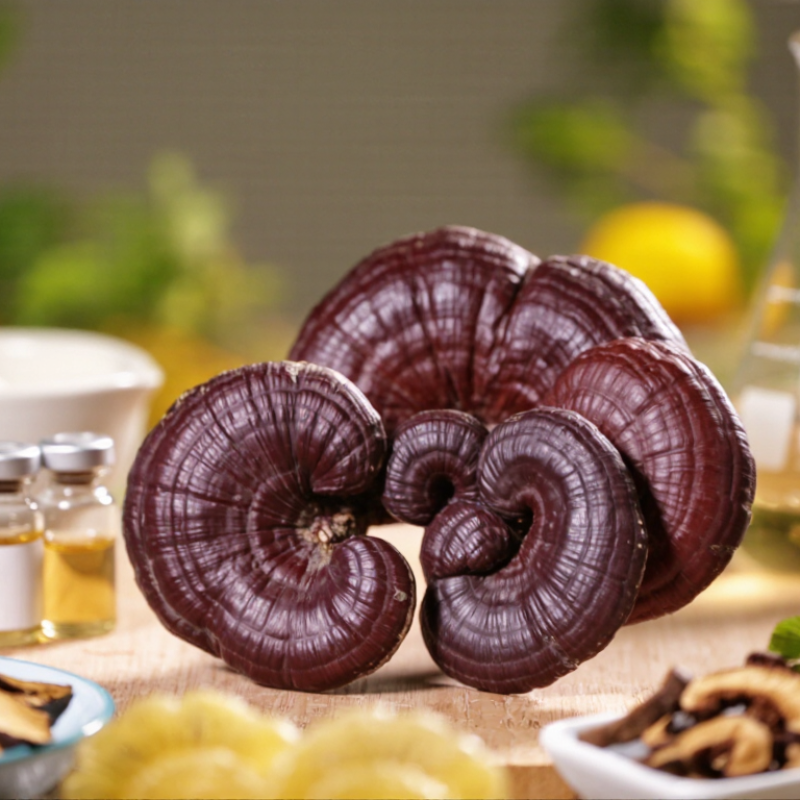
How to Choose the Best Reishi Mushroom Extract?

What Is Reishi Mushroom Extract and How Is It Made?

How to Choose the Best Reishi Mushroom Extract?

What Is Reishi Mushroom Extract and How Is It Made?

Reishi mushroom extract comes from Ganoderma lucidum or closely related Ganoderma species. Manufacturers usually grow the mushroom on controlled wood-based substrates. They then dry the fruiting bodies or mycelium before extraction. Hot-water extraction releases beta-glucans and other water-soluble compounds. Alcohol extraction may target triterpenes, including ganoderic acids. Some products use both methods.

The process matters. A clear label should identify the mushroom part, extraction method, extraction ratio, and tested active compounds. The 2024 Grand View Research assessment valued the global medicinal mushroom market at approximately USD 26.6 billion in 2023. That figure shows commercial growth, not proven medical effectiveness. The U.S. National Center for Complementary and Integrative Health notes that evidence for many mushroom supplements remains limited. LiverTox also documents rare reports of liver injury linked to reishi products. Quality control is not optional.

Tips: Choose products with independent testing for identity, heavy metals, microbes, and undeclared ingredients. Look for beta-glucan content, not only “polysaccharides.” Ask whether the label separates fruiting-body material from mycelium. Check the serving size carefully. More is not automatically better.

From practical quality reviews, weak labels create the biggest problem. “Full spectrum” can sound impressive, but it explains little. Extraction ratios can also mislead without raw-material details. I would compare certificates of analysis and storage instructions before comparing price. Even then, uncertainty remains. That is worth admitting. People using medicines, or those with liver concerns, should seek qualified medical advice before use.

Which Reishi Species and Growing Methods Affect Extract Quality?

How to Choose the Best Reishi Mushroom Extract?

Reishi quality starts with the species, not the label design. Ganoderma lucidum is widely discussed, but Ganoderma lingzhi is also common in commercial cultivation. These names are sometimes used loosely, which makes accurate identification important. Ganoderma tsugae may contain a different profile because it naturally grows on conifers. Species can influence the balance of beta-glucans, triterpenes, aroma, and bitterness. A credible supplier should provide the scientific name and testing details.

Growing conditions matter just as much. Reishi grown on hardwood logs usually develops more slowly than bag-grown mushrooms. That longer cycle may support a denser fruiting body, although it does not automatically prove superior extraction. Substrate ingredients, harvest timing, drying temperature, and storage can all change the final result. I prefer extracts made from the fruiting body when the source is clearly documented. Mycelium products are not necessarily poor, but their composition needs careful verification. It is easy to assume “natural” means better. It does not.

Tips: Look for independent testing of beta-glucans, triterpenes, heavy metals, microbes, and pesticides. Check whether the extract uses hot water, alcohol, or both. A dual extraction can capture different compounds, but the method should be disclosed. Ask for the harvest location and batch number. If the information feels vague, keep comparing. Your standards may improve with experience.

How Do Extract Forms, Potency, and Active Compounds Compare?

How to Choose the Best Reishi Mushroom Extract?

Choosing a reishi extract starts with understanding its form. Hot-water extraction mainly concentrates beta-glucans, which are found in the mushroom’s structural material. Alcohol extraction can better capture triterpenes, including ganoderic acids. These compounds contribute to reishi’s bitter taste. Dual extraction combines both approaches, but it does not automatically guarantee higher quality.

Potency labels require careful reading. A “10:1 extract” describes processing weight, not necessarily active strength. Look for measured beta-glucan and triterpene levels instead. A clear supplement label should identify the mushroom part, extraction method, serving size, and testing details. Fruiting-body extracts and mycelium-based products may differ in composition. Neither should be judged by marketing language alone.

A certificate of analysis can provide useful evidence. Check whether it reports identity, heavy metals, microbes, and the actual active compounds. Results should come from an independent laboratory when possible. I would also avoid choosing solely by the largest milligram number. More is not always better. Personal tolerance, diet, medications, and health conditions can affect suitability. The evidence for reishi varies by use, and some claims remain stronger in theory than in well-designed human research. That uncertainty matters.

How to Choose the Best Reishi Mushroom Extract? — How Do Extract Forms, Potency, and Active Compounds Compare?
Extract Form How It Is Made Main Active Compounds Typical Potency Profile Best Use Case Advantages Limitations What to Check on the Label
Hot-Water Extract Reishi fruiting bodies or mycelium are extracted with hot water, then concentrated and dried. Primarily water-soluble polysaccharides, including beta-glucans; usually lower triterpene availability than a dual extract. Often standardized by polysaccharide or beta-glucan content. A meaningful comparison requires the exact assay method because “polysaccharides” and “beta-glucans” are not interchangeable measurements. People primarily seeking a water-soluble mushroom extract. Efficiently concentrates water-soluble constituents and is generally easy to formulate in powders, capsules, and beverages. May provide fewer alcohol-soluble triterpenes unless the product includes a separate alcohol extraction step. Beta-glucan percentage, extraction ratio, botanical material used, and the laboratory test method.
Alcohol Extract Reishi material is extracted with ethanol or another food-grade alcohol, which is then removed or reduced during processing. More focused on alcohol-soluble triterpenes, including ganoderic acids and related compounds. Usually described by triterpene or total triterpenoid content rather than beta-glucan content. Potency depends strongly on the species, growing conditions, and extraction process. People looking for a product emphasizing triterpene-rich constituents. Alcohol is effective at extracting many triterpenes that hot water does not extract as efficiently. May contain relatively less beta-glucan than a well-made hot-water extract; residual alcohol and serving size should be disclosed. Total triterpenes or specific ganoderic acids, solvent used, residual-alcohol statement, and serving-size data.
Dual Extract Uses both hot-water and alcohol extraction to target water-soluble polysaccharides and alcohol-soluble triterpenes. Typically combines beta-glucans and other polysaccharides with triterpenes such as ganoderic acids. Often offers the broadest compound profile, but “dual extract” alone does not prove high potency. The product should disclose separate beta-glucan and triterpene results. People seeking a broad-spectrum reishi extract. Can provide both major compound groups in one product when each extraction stage is properly controlled. Quality varies widely; an extraction ratio without measured active-compound percentages can be misleading. Separate beta-glucan and triterpene values, extraction solvents, source material, and third-party testing.
Whole Mushroom Powder Dried reishi is milled into a powder without concentrating the compounds through extraction. Contains the naturally occurring compounds in the dried mushroom, including fiber, beta-glucans, and triterpenes, but usually at a lower concentration per gram than an extract. Potency is generally expressed by serving weight rather than an extract ratio. Active-compound percentages may be absent or lower than in concentrated extracts. People who prefer a minimally processed mushroom ingredient and larger serving sizes. Simple ingredient profile and no concentrated extraction solvent. Less concentrated; the tough mushroom cell wall can limit access to some intracellular compounds unless the material is processed appropriately. Whether the powder is from fruiting bodies or mycelium, beta-glucan content, moisture, and serving size.
Fruiting-Body Extract Extract is produced from the visible mushroom structure, including the cap and stem. Can contain beta-glucans and triterpenes; the final profile depends on species, maturity, cultivation, and extraction conditions. Not automatically stronger than mycelium-based material. Reliable potency comparisons require measured active compounds rather than source claims alone. People who want a product made from the mushroom’s fruiting body. Provides a clear source designation and can be suitable for products standardized to both beta-glucans and triterpenes. Fruiting-body labeling does not by itself establish extraction quality, purity, or potency. Scientific species name, fruiting-body percentage, beta-glucans, triterpenes, and contaminant testing.
Mycelium-Based Extract Made from the fungal mycelium, usually cultivated on a grain or other growth substrate, followed by extraction or drying. May contain beta-glucans and other fungal compounds, while the final composition can also reflect the growth substrate and processing method. Potency cannot be judged from “mycelium” alone. A clear test for beta-glucans and a statement of substrate or starch content are useful for comparison. People who accept mycelium-based ingredients and want a potentially lower-cost formulation. Can be produced consistently under controlled cultivation conditions. Some products may contain substantial residual substrate; “mycelium” does not necessarily mean a concentrated extract. Mycelium-to-substrate details, beta-glucan percentage, starch or alpha-glucan testing, and extraction ratio.
Liquid Tincture A liquid preparation made by soaking reishi in alcohol, water, or both; concentration varies by product. Alcohol-based tinctures generally emphasize triterpenes; water-based or dual tinctures may also provide soluble polysaccharides. Potency is often reported per milliliter rather than as a percentage. Drop counts alone are not a reliable way to compare products. People who prefer liquid dosing or do not want capsules. Flexible serving size and convenient use in beverages. May be less concentrated than a dried extract, and liquid products can have shorter shelf lives or require preservatives. Milligrams of extract per serving, extraction solvent, alcohol percentage, and measured beta-glucan or triterpene content.
How to compare products: Prioritize independently tested beta-glucan and triterpene values, not just a high extraction ratio. Confirm the scientific species name, whether the material is fruiting body or mycelium, the serving size, and testing for heavy metals, pesticides, microbes, and residual solvents. Reported values are not directly comparable when laboratories use different analytical methods.
Important: Reishi extract composition varies with species, cultivation conditions, raw material, extraction solvent, concentration process, and laboratory method. “Higher potency” should be defined by measured active compounds per serving rather than by marketing language alone.

What Quality, Safety, and Testing Standards Should You Check?

How to Choose the Best Reishi Mushroom Extract?

Choosing a reishi extract starts with evidence, not impressive packaging. Look for the exact species, plant part, and extraction method. Fruiting body and mycelium products can differ in composition. That difference should be stated clearly. Reliable labels list beta-glucan content, serving size, lot number, and expiry date. Vague terms such as “full spectrum” need supporting detail. I would not treat a polished website as proof.

A trustworthy manufacturer should provide a recent, batch-specific certificate of analysis. Check identity testing and confirm the laboratory used validated methods. Testing should cover heavy metals, microbial contamination, pesticides, and residual solvents. Look for manufacturing under recognized Good Manufacturing Practice requirements. An ISO/IEC 17025-accredited laboratory can add confidence. Still, testing is not magic. An undated PDF is weak evidence, and even careful testing has limits. If you use medicines, have liver disease, or are pregnant, ask a qualified clinician before use.

Tips:

Contact support and request the complete certificate of analysis. Check whether its lot number matches the jar. Examine the seal, smell, and texture after opening. Store the extract away from heat and moisture. Keep your expectations realistic. A clean label cannot replace professional advice or personal observation.

How Can You Choose the Right Reishi Extract for Your Needs?

Choosing the right reishi extract starts with your specific purpose, not the most impressive label. Are you seeking general wellness, a caffeine-free evening routine, or support for a particular health concern? Evidence for reishi remains limited for many uses, so realistic expectations matter.

Check which mushroom part the extract contains. Fruiting-body extracts often provide measurable beta-glucans, while mycelium products may include more grain or culture material. Neither description proves quality alone. Look for clear amounts of beta-glucans and triterpenes, not only “mushroom blend.” Avoid vague proprietary mixtures.

Read the extraction method carefully. Hot-water extraction may concentrate water-soluble compounds, while alcohol extraction can help release some triterpenes. A dual extraction may offer broader coverage, but it does not automatically mean better results. Details matter.

Look for independent testing. The report should address identity, heavy metals, microbes, and unwanted residues. A transparent manufacturer should provide batch information and explain its testing process. Be cautious when promises sound dramatic. They usually are.

Start with your purpose.

Follow the serving guidance. Reishi can cause digestive discomfort, dry mouth, or skin reactions in some people. It may also interact with medicines, including drugs affecting bleeding or immune activity. Ask a qualified healthcare professional before use, especially during pregnancy, before surgery, or with ongoing treatment. I would not choose an extract based on one attractive percentage alone; the full label, testing evidence, and your own tolerance deserve equal attention.

How to Choose the Best Reishi Mushroom Extract?

Reishi contains two commonly discussed compound groups: water-soluble polysaccharides and alcohol-soluble triterpenes. Hot-water extraction is primarily used to obtain polysaccharides, ethanol extraction is primarily used for triterpenes, and dual extraction is designed to include both groups. Check the product label for the extraction method and transparent testing information.