China Best Residential Landscape Maintenance Services?
Choosing China’s best Residential Landscape Maintenance services means looking beyond neat photographs. A reliable provider should explain its inspection schedule, plant-care methods, irrigation checks, and response process before work begins. Ask who will visit, what each visit includes, and how seasonal changes affect the plan. Details matter: a blocked drain after heavy rain or a dry patch beside a sunny wall can reveal more than a glossy brochure.
Professional reports offer useful context. The U.S. Environmental Protection Agency’s WaterSense guidance estimates that outdoor water use accounts for about 30% of household water use nationwide, and can reach 60% in some drier areas. That makes irrigation audits and drought-aware planting practical service criteria, not decorative extras. The National Association of Landscape Professionals’ State of the Industry reporting also tracks labor and business conditions, reminding buyers that consistent crews and clear maintenance standards deserve close attention.
Landscape architect Frederick Law Olmsted wrote, “The enjoyment of scenery employs the mind without fatigue and yet exercises it; tranquilizes it and yet enlivens it.” Good maintenance helps preserve that experience, but it cannot guarantee it. Some gardens need more water, pruning, or replacement than owners expect. That is worth admitting. This guide compares providers through documented experience, service scope, communication, and care practices, while recognizing that the best choice depends on climate, property size, and budget. A careful site assessment should come before any promise of effortless results.
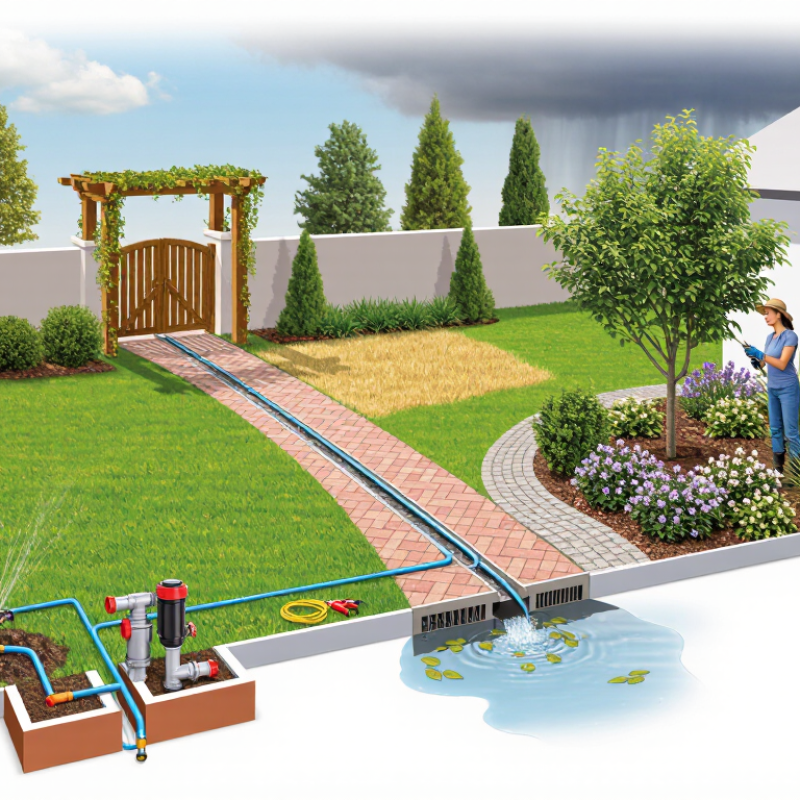
China’s 66.16% Urbanization Rate (NBS, 2023) and Residential Landscape Demand
China Best Residential Landscape Maintenance Services?
China’s 66.16% Urbanization Rate (NBS, 2023) and Residential Landscape Demand
In 2023, China’s urbanization rate reached 66.16%, according to the National Bureau of Statistics. Many urban residents rely on shared gardens, courtyards, and planted edges that need regular care. Demand is not simply about adding greenery. It is about keeping outdoor spaces usable through heat, rain, and daily foot traffic.
Reliable maintenance starts with observation: checking soil moisture, drainage, shade, and worn paths before choosing a task. A dry planter beside a sunny entrance may need different care from a damp courtyard corner. Pruning schedules, clear walkways, and timely leaf removal help protect plants and residents. Small details matter.
Yet the national rate cannot show how much green space each housing complex has, or what residents actually use. That distinction matters. A practical plan should fit local climate, plant types, water limits, and the property’s budget. In some places, fewer high-care beds and more resilient planting may be wiser. There is no perfect template; even a careful plan can fail when inspections are skipped or irrigation is poorly adjusted.
Residential Maintenance Scope: Irrigation, Pruning, Turf, Pest Control, and Renewal
China Best Residential Landscape Maintenance Services?
Reliable residential maintenance is a year-round routine, not a quick cleanup. Check irrigation zones for leaks, clogged nozzles, and soggy lawn edges. EPA WaterSense estimates that nearly one-third of residential water use goes outdoors; inefficient irrigation can waste up to 50% of that water through evaporation, wind, or runoff. Small leaks matter. Adjust schedules after rain, and water early when practical.
Pruning should preserve a plant’s natural shape, with dead or crossing branches removed using clean, sharp tools. For turf, inspect compacted areas and bare patches before adding seed or fertilizer; the cause may be shade, drainage, or foot traffic. Monitor pests regularly and identify the problem before choosing a treatment. That step is easy to skip. Renewal may mean replacing a struggling shrub, improving soil, or reshaping a bed—not rebuilding the whole yard. Keep simple records of watering, pruning, and recurring trouble spots; they help, though they will not explain every failure.
Tips: Walk the property after irrigation and look for runoff or wilted leaves. Photograph problem areas monthly. If a plant keeps declining, review light, soil moisture, and root space before replacing it.
MOHURD’s 2022 Benchmarks: 42.69% Urban Green Coverage, 14.87 m² per Capita
MOHURD’s 2022 benchmarks put China’s urban green coverage at 42.69%, with 14.87 square metres of green space per resident. These figures show the scale of urban greenery, but they do not reveal whether a residential garden is healthy, accessible, or well maintained. Numbers need context. A planted courtyard can look lush in spring yet struggle with compacted soil, blocked drains, or dry summer heat.
Residential landscape maintenance turns broad green-space goals into daily care. Crews need to check irrigation near tree roots, clear leaves from drains, prune shrubs without stripping their natural shape, and replace plants suited poorly to local conditions. Small details matter: a sun-baked bench, muddy path, or bare patch beside a walkway can affect how residents use a shared garden. Good planning also considers water use and seasonal changes, rather than relying on frequent trimming to create a tidy appearance.
The benchmarks are useful, but they are not a maintenance scorecard for individual communities. Site inspections, plant survival records, and resident feedback add practical evidence. Even then, judgments can be imperfect; a greener site is not automatically a more comfortable one. A shaded route may serve residents better than another ornamental bed.
Using China’s CJJ/T 287-2018 Landscape Maintenance Standard as a Benchmark
China Best Residential Landscape Maintenance Services?
Using China’s CJJ/T 287-2018 Landscape Maintenance Standard as a Benchmark
CJJ/T 287-2018 offers a practical reference for evaluating residential landscape maintenance in China. It encourages planned care rather than occasional cosmetic repairs. A useful service plan should address trees, shrubs, lawns, irrigation, and landscape facilities. Look for clear inspection routines, seasonal tasks, and records of completed work.
The standard can help residents and property managers ask specific questions. How are dry patches checked after irrigation? Are damaged branches removed with care? Does the team monitor pests and document treatment decisions? Small details matter. A tidy lawn on inspection day tells only part of the story; consistent care through heat, rain, and winter is more revealing.
A benchmark is not a guarantee of identical results. Soil, shade, drainage, and plant choice vary from one courtyard to another. Maintenance teams need to adapt schedules to these conditions and explain their decisions. Some plans may look thorough on paper but miss a leaking valve or compacted soil. That gap deserves attention. Use the standard to guide discussion, then judge performance through site checks, clear records, and steady follow-up.
Comparing Providers by Plant Health, Safety, Response Times, and Lifecycle Cost
A residential landscape provider in China should be judged by what happens between scheduled visits, not by a polished planting plan. Ask how crews inspect leaf color, soil moisture, drainage, and pest symptoms. On a humid southern site, fungal signs may need quick attention; in a northern courtyard, winter protection and dry soil can matter more. Small details count.
Safety is visible on an ordinary workday. Look for clear paths around hoses, stable ladder use, guarded tools, and tidy storage of fertilizers. Ask who checks the site after pruning or irrigation repairs. Response time matters, too. A blocked drain before heavy rain needs a different plan from a routine request to replace a shrub. Get realistic service windows, including weekends and severe weather.
Compare lifecycle cost, not just the monthly fee. A low quote may exclude soil improvement, tree inspections, or replacement plants, while a higher plan may include them. Request a written schedule, clear exclusions, and records of plant losses and repairs. Track water use and repeat problems for a season. The numbers may still feel incomplete. Landscapes change, and even a careful forecast can miss a difficult summer.





Share On: