10 Best Vitamin Gummies for Global Buyers?
Choosing the right Vitamin Gummies can feel simple, until labels, dosage, and regulations differ across markets. Global buyers face more than colorful bottles and appealing flavors. They must examine ingredient forms, serving sizes, allergen statements, sugar content, and storage instructions. A gummy that suits one country may not meet another market’s labeling or import requirements.
This guide reviews ten Vitamin Gummies options through a practical, evidence-informed lens. We consider transparent manufacturing details, third-party testing, responsible nutrient levels, and clear directions for use. Product quality also depends on freshness, packaging, and supply-chain handling. Heat can soften gummies, while poor sealing may affect texture and stability. These details matter during international shipping.
No product is perfect. Some gummies contain added sugar, while others use sweeteners that certain consumers dislike. A familiar brand name does not replace independent verification. Buyers should check certificates, local rules, and professional advice before purchasing, especially for children, pregnancy, allergies, or medication use. Our comparison aims to clarify choices, not promise universal benefits. Real-world needs vary. That matters. Expect balanced observations, visible limitations, and questions worth asking before checkout.
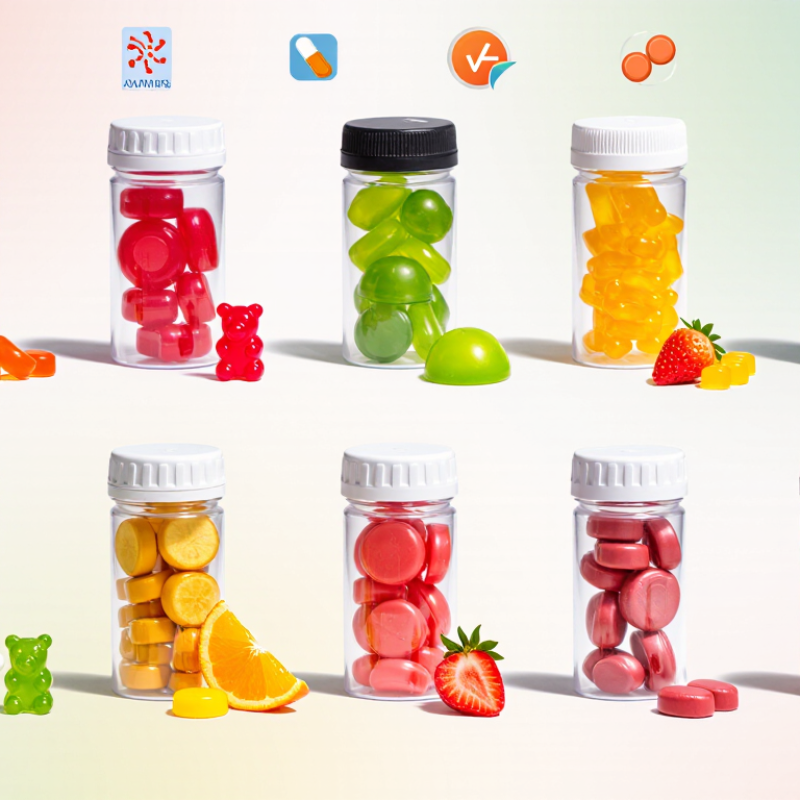
What Are Vitamin Gummies and How Do They Work?
Vitamin gummies are chewable supplements made with vitamins, minerals, sweeteners, pectin, or gelatin. Their soft texture can make daily nutrition feel easier than swallowing tablets. However, taste is not proof of quality. Check the Supplement Facts panel, serving size, nutrient forms, allergens, and storage guidance before buying.
After chewing, the gummy breaks down in the stomach and small intestine. Nutrients then pass through the intestinal lining and enter the bloodstream. Water-soluble vitamins, such as vitamin C and many B vitamins, generally leave the body through urine when intake exceeds needs. Fat-soluble vitamins, including A, D, E, and K, can accumulate, so excessive intake deserves caution. Some formulas absorb better with a meal containing modest fat. Not every nutrient behaves the same way.
Read the label carefully. A serving may contain added sugar, and “two gummies” can quietly become four. Keep products away from children, heat, and humidity. Independent quality testing can provide useful reassurance, although it does not guarantee personal suitability. Local rules also differ, so global buyers should verify permitted ingredients and dosage standards in their own country. I have found the hardest part is consistency: a pleasant flavor helps, but it can encourage unnecessary use. Gummies are convenient, not magical. A pharmacist or qualified clinician can help assess interactions, pregnancy needs, allergies, and possible deficiencies.
Key Factors for Comparing Vitamin Gummies Worldwide
Buying vitamin gummies across borders requires more than attractive packaging. Formulas can differ by country, even when the product name looks similar. Compare nutrients per serving, not per bottle. Check each vitamin’s form, dosage, serving size, and expiry date. Independent laboratory testing adds useful confidence, but certificates should be current and traceable. Do not treat a colorful seal as proof of quality. Evidence matters.
Look closely at sugar, sweeteners, gelatin, allergens, and dietary restrictions. Some gummies soften during hot shipping, while humidity can affect texture and stability. Choose sealed packaging with clear storage instructions. Local import rules also matter. Some countries restrict certain nutrient levels or require specific labels. Check the official food-safety authority in the destination market. Labels are not perfect.
Tips: Compare at least three products using the same checklist: nutrient dose, testing, ingredients, shelf life, and landed cost. Ask the seller for a batch number and a readable certificate. Be cautious when answers are vague. That hesitation is reasonable. The cheapest option may not be the best value when shipping conditions and documentation are unclear. Serving guidance can also confuse buyers across languages. Consult a qualified healthcare professional when medication, pregnancy, allergies, or chronic conditions are involved.
10 Best Vitamin Gummies for Different Nutritional Needs
10 Best Vitamin Gummies for Different Nutritional Needs
Vitamin gummies should match a nutritional gap, not a colorful label. The NIH Office of Dietary Supplements reports that adults aged 19–70 generally need 600 IU of vitamin D daily. Adults over 70 need 800 IU. This makes vitamin D gummies relevant for people with limited sunlight exposure. Vitamin B12 gummies may suit vegans and older adults, since absorption can decline with age. The NIH lists 2.4 micrograms as the adult daily B12 recommendation. Pregnant users need professional guidance, especially before choosing iron or folate products.
Different needs require different formulas. Iron gummies may help people with diagnosed deficiency, but routine use can be inappropriate. Women aged 19–50 need 18 mg of iron daily, while adult men generally need 8 mg, according to NIH data. Calcium gummies can support users with low dietary intake, yet calcium from food remains easier to assess. Some products also combine vitamin C, zinc, or biotin. More ingredients do not always mean better nutrition. That assumption deserves questioning.
Tips: Check the Supplement Facts panel, serving size, sugar content, allergens, and third-party quality testing. Compare amounts with national nutrition guidance. Avoid doubling gummies with fortified drinks or multivitamins. Children need special caution because gummies resemble sweets. A 2023 Council for Responsible Nutrition consumer report found that 74% of U.S. adults use dietary supplements, but popularity does not prove personal need. Ask a qualified healthcare professional when pregnancy, medication use, or confirmed deficiency is involved.
10 Best Vitamin Gummies for Global Buyers? – 10 Best Vitamin Gummies for Different Nutritional Needs
This chart compares the U.S. FDA Daily Value reference amounts for ten nutrients commonly considered when evaluating vitamin gummies for different nutritional needs. Values use the units officially assigned to each nutrient and are not brand or product rankings.
Reference values: U.S. FDA Daily Values for adults and children aged four years and older. Nutrient requirements may vary by age, sex, pregnancy status, health condition, and national nutrition standards. Always check the supplement facts panel before purchasing.


Share On: