2026 Best Paper Bowl Manufacturers for Global Buyers
Global buyers need more than attractive catalogs in 2026. They need dependable Paper Bowl manufacturers that can protect food, control costs, and maintain stable deliveries. A bowl may look simple, yet its performance depends on paperboard strength, coating quality, rim construction, and production discipline.
Packaging consultant Ronald Sasine has stressed, “Packaging must protect the product first.” That principle remains practical. A reliable supplier should provide clear material specifications, food-contact documentation, factory quality records, and realistic production timelines. Buyers should examine GSM, moisture resistance, leak testing, heat tolerance, and stacking performance. Samples should hold hot soup without softening around the base. Small details matter.
This guide evaluates leading manufacturers through a global buyer’s lens. It considers manufacturing capacity, customization, minimum order quantities, printing accuracy, export experience, and sustainability claims. FSC-certified paper, PFAS-free coatings, and recyclable structures deserve careful verification. Marketing language is not proof. Ask for current certificates and third-party test reports.
No ranking is perfect. Supplier performance can change with raw material prices, labor conditions, equipment upgrades, or new regulations. Some manufacturers excel at high-volume standard bowls but struggle with unusual sizes. Others offer impressive customization but require longer lead times. The strongest choice depends on your market, serving temperature, budget, and delivery schedule. This 2026 overview aims to make that decision clearer, while recognizing that responsible sourcing still requires direct factory checks.
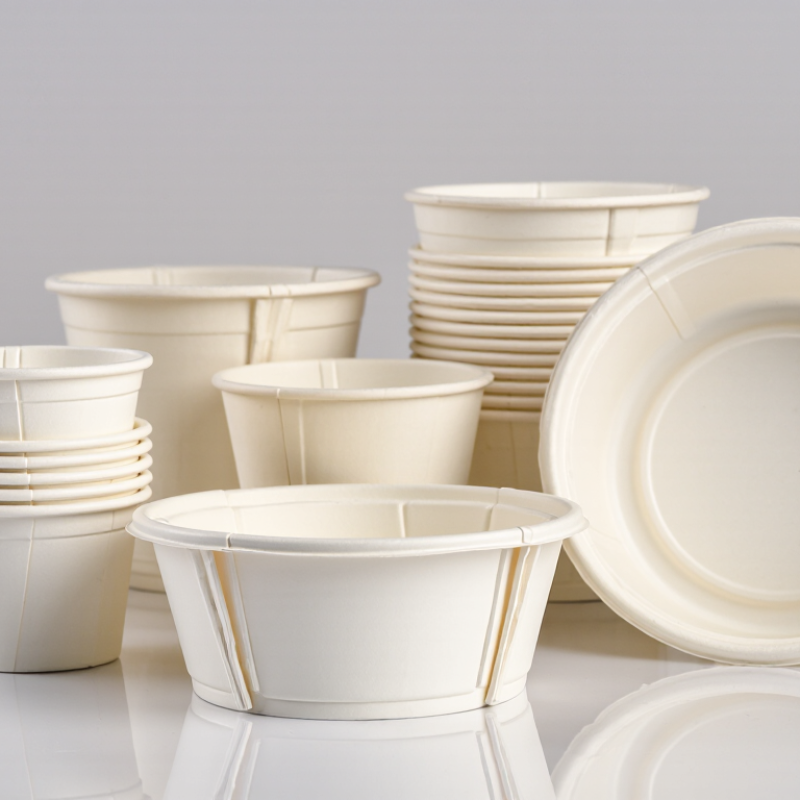
Global Paper Bowl Market: Smithers’ 2024 Industry Forecast and Buyer Scope
Global Paper Bowl Market: Smithers’ 2024 Industry Forecast and Buyer Scope
Smithers’ 2024 industry forecast places paper packaging among the fastest-changing foodservice packaging segments. Its analysis points to continued growth through 2029, driven by takeaway meals, delivery services, and fiber-based alternatives. Paper bowl demand follows this wider movement, but growth is not automatic. Buyers must examine barrier performance, converting capacity, and regional compliance before selecting a manufacturer. Recent FAO data also shows continued global pressure on forest resources, making certified fiber sourcing increasingly important.
Look for manufacturers with documented food-contact systems, batch traceability, and repeatable quality checks. Ask for migration testing, leak testing, compression results, and samples filled with hot soup for at least 30 minutes. A reliable supplier should explain the paper grade, coating structure, bowl weight, and sealing temperature in clear terms. Large production capacity can help, but it may hide weak inspection procedures. Forecasts are not guarantees. Real factory evidence matters more.
Tips: Compare three suppliers using the same specification sheet. Check whether quoted capacity covers your peak season, not only average demand. Request recent audit summaries and independent laboratory reports. Also question unusually low prices. They may reflect lighter board, inconsistent coatings, or limited testing. My practical view is simple: the “best” manufacturer is not always the largest. It is the one that delivers stable bowls, accurate documents, and honest answers when a trial exposes a problem.
2026 Best Paper Bowl Manufacturers for Global Buyers
Global Paper Bowl Market: Smithers’ 2024 Industry Forecast and Buyer Scope
Buyer scope: Capacity is a practical comparison point when evaluating paper bowl suppliers for foodservice, takeaway, and institutional applications. The chart converts common nominal U.S. fluid-ounce formats into milliliters using 1 U.S. fl oz = 29.5735 mL. These are product-size benchmarks, not company sales or market-share figures.
Food-Contact Compliance: FDA 21 CFR and EU Regulation 1935/2004
For global buyers, the best paper bowl manufacturer is not defined by price alone. Food-contact compliance must be checked before production begins. FDA 21 CFR requirements apply to the materials, coatings, adhesives, and intended food conditions. A bowl for hot soup needs different evidence from one used for dry snacks.
Ask for current material specifications, supplier declarations, and migration test reports. Testing should reflect temperature, contact time, and food type. Paper is not automatically safe. Plastic linings, inks, and bonding agents can affect compliance. In practical sourcing work, missing test conditions often create more risk than missing documents.
The EU framework under Regulation (EC) No 1935/2004 requires food-contact materials to avoid transferring harmful substances, changing food composition, or damaging taste and smell. Traceability records should connect raw materials with finished production lots. Good manufacturers can explain this chain clearly. They should also maintain suitable manufacturing controls and corrective procedures.
Documents matter.
Still, paperwork has limits. A report from an old production batch may not represent today’s coating or adhesive. Buyers should review renewal dates, sample labels, and intended-use statements. Independent laboratory testing adds confidence, especially for heated or fatty foods. Regulations and interpretations can change, so compliance should be reviewed before each major purchase. No supplier should promise universal approval for every market or application.
Sustainable Sourcing: FSC Chain of Custody and AF&PA’s 65.7% Recovery Rate
For global buyers, sustainable paper bowl sourcing begins with traceability, not attractive packaging claims. An FSC Chain of Custody certificate helps track responsible forest material through pulping, papermaking, converting, and final packing. Ask manufacturers for a valid certificate, scope document, and product claim details. Check whether the certificate covers the exact bowl line, not only another factory product.
A useful supplier review examines fiber percentage, coating type, production site, and batch records. Request sample invoices and carton markings. These details reveal whether certified material actually reaches your order. The process can feel tedious. It prevents weak claims.
Industry data reports a 65.7% paper recovery rate in North America. That figure shows strong collection and recycling activity, but it does not guarantee every paper bowl will be recovered. Food residue, plastic coatings, local collection rules, and sorting equipment affect the result. Buyers should ask whether the bowl uses a fiber-based or polymer barrier and whether commercial composting or recycling facilities accept it. A recovery rate is context, not permission to overpromise. FSC sourcing also does not automatically make a product recyclable or compostable. That distinction is easy to miss. A reliable manufacturer should provide test evidence, packaging specifications, and clear disposal guidance for the destination market. Where documentation is incomplete, pause the order and verify the claim independently.


Share On: